
Review · FERGANA VALLEY TOURS
Fergana – Golden Valley From Tashkent 1 night / 2 days
The valley begins with a mountain climb. This two-day private trip takes you from Tashkent over Kamchik Pass, then into Kokand, Margilan, Kumtepa Bazaar, and Rishtan, where local silk and ceramics still shape daily work. I especially like the mix of grand monuments and working craft studios. You are not simply looking at old buildings; you are seeing how the region makes and sells things today.
I also like the personal care built into the trip. Guides such as Ali have been praised for clear English, useful advice, and friendly help beyond the scheduled stops. The main drawback is the long drive: the first day can take about five hours before you reach Margilan, and the return to Tashkent is another full road journey.
In This Review
- Five details that shape the experience
- Why the Fergana Valley deserves two days
- Kamchik Pass: the high point before the valley
- Kokand’s royal quarter and final khans
- Margilan and the handwork behind Uzbek silk
- Kumtepa Bazaar, where order is optional
- Rishtan ceramics in a working master’s home
- The road back to Tashkent
- Is $230 per person a fair price?
- Who should book this Fergana trip?
- Should you book it?
- FAQ
- How long is the Fergana Valley tour from Tashkent?
- What is the route?
- How long is the drive from Tashkent to Margilan?
- Is Kumtepa Bazaar open every day?
- What does the $230 price include?
- Are meals included?
- Which languages are available?
- Can the tour be customized?
- Is the tour private and wheelchair accessible?
Five details that shape the experience
- Kamchik Pass reaches 2,268 meters: You climb high above the road linking Tashkent with the Fergana Valley, with mountain views and possible spring tulips.
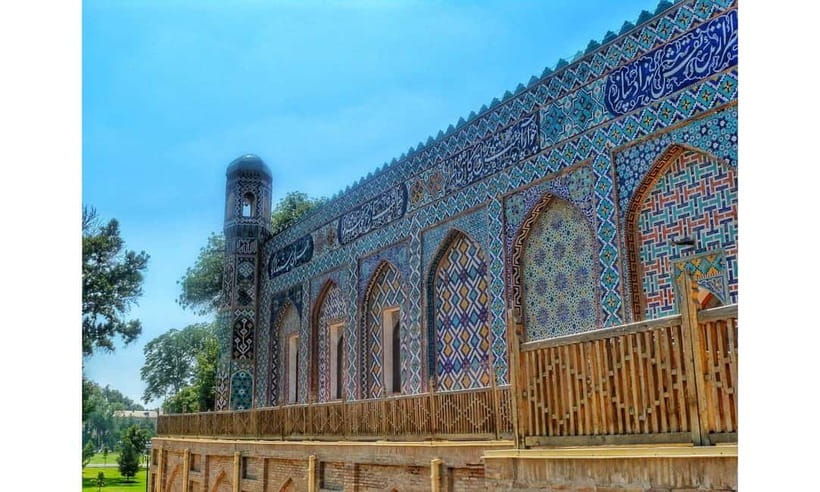
- Kokand brings the history: Khudayarkhan Palace, Jami Mosque, and Dakhmai Shahan connect you with the final khans of Kokand.
- Margilan is about living silk traditions: At Yodgorlik factory, you can watch manual silk production, including ikat and batik work.
- Kumtepa Bazaar operates on Thursdays and Sundays: Its crowded, chaotic trading atmosphere is a major part of the experience, but the market day matters.
- Rishtan lets you try the craft: At a master’s home, you learn how local ceramics are made and may take part in the process.
- The $230 price covers the costly basics: Private air-conditioned transport, one hotel night, breakfast, guide services, monument entries, silk production, fees, and taxes are included.
Why the Fergana Valley deserves two days
Uzbekistan’s best-known route usually links Tashkent, Samarkand, Bukhara, and Khiva. Fergana offers a different rhythm. It has historic royal sites, but its strongest appeal is the continuation of practical crafts: silk in Margilan and ceramics in Rishtan.
The valley is also described as less affected by mass tourism than the country’s major historic cities. That does not mean every stop is quiet or polished. Kumtepa Bazaar can be disorderly, and the road schedule leaves little spare time. But it does mean the trip gives you a look at ordinary commerce and workshops rather than only restored monuments.
You travel as a private group, with pickup from your hotel, airport, or railway station in Tashkent. That matters on a two-day route. You can ask for a break, discuss lunch timing, and adjust some parts of the trip instead of waiting for a large group.
The route covers about 300 kilometers on the first day, from Tashkent toward Kokand and Margilan. The distance is manageable in an air-conditioned vehicle, but this is still a road trip, not a quick excursion. Bring comfortable shoes and clothes, and accept that the road itself is part of the experience.
More of the Fergana Valley:
- Fergana Valley Tour
★ 4.0 · 17 reviews - Fergana One Day Tour From Tashkent
★ 3.4 · 8 reviews - Fergana Valley 2-Day Private Tour
★ 5.0 · 4 reviews
Kamchik Pass: the high point before the valley
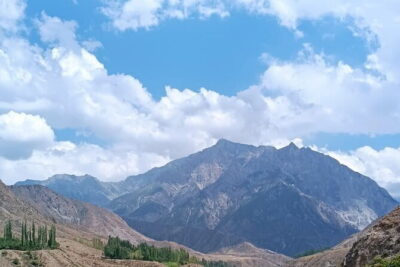
The first major stop is Kamchik Pass, the key road crossing between Tashkent and the Fergana Valley. The pass reaches 2,268 meters above sea level, while the sightseeing stop is around 2,000 meters. From there, you can look across the mountains of the Western Tien Shan.
This is a useful opening to the trip because it explains the valley’s geography. Tashkent and Fergana are close on a map, yet the mountains make the journey feel like a real transition. You leave the capital behind, climb into cooler high country, then descend toward a broad agricultural and craft region.
Spring offers a special possibility: mountain tulips may appear if conditions are right. That is not guaranteed, so treat it as a pleasant bonus rather than a promised sight. The pass is also a weather-sensitive stop. Comfortable clothes are a sensible choice, even if Tashkent feels warm when you depart.
The practical point is simple: you will spend substantial time in the vehicle, but Kamchik breaks up the journey with a clear sense of place. It is more than a roadside photo stop. It shows why this road has strategic importance as the main transition between the capital and the valley.
Kokand’s royal quarter and final khans
After the pass, the route reaches Kokand, known here as the City of Winds. This is the first place where the trip shifts from scenery to political history.
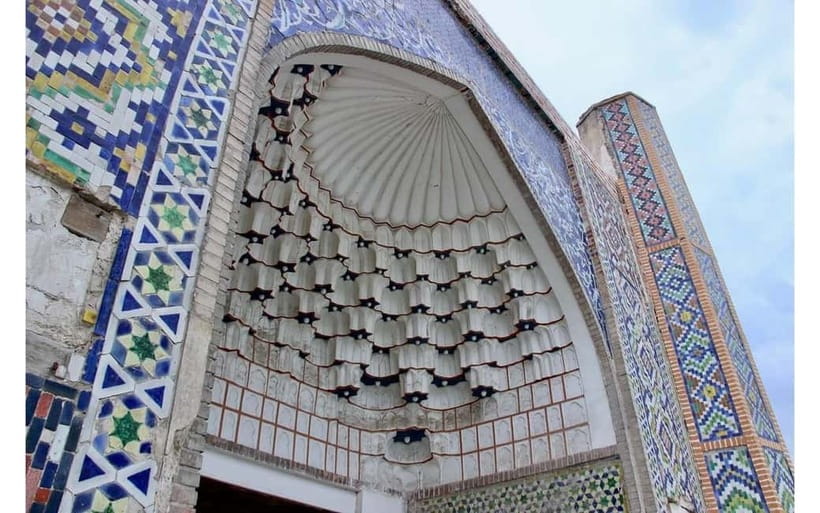
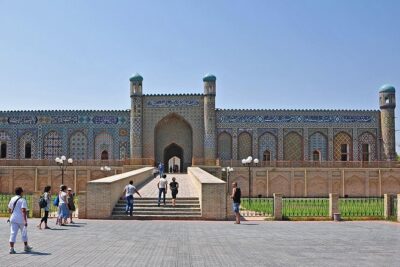
Khudayarkhan Palace is the headline stop. The palace was the residence of the last khans of Kokand, and it gives you a physical setting for the former khanate’s court life. Jami Mosque adds a religious and civic side to the city, while the Dakhmai Shahan necropolis brings the final khans into a funerary setting.
The value of visiting all three is the connection between them. The palace shows authority, the mosque shows public religious life, and the necropolis shows the end of the ruling line. A good guide can make these stops more meaningful by explaining how the buildings fit together, rather than treating each one as an isolated photo opportunity.
Ali has received especially strong praise for explaining history, customs, and local culture in clear English. You can also request a Russian-speaking guide, and French is listed among the available guide languages for the escort service. The supplied activity details specify professional guide service for Kokand, Rishtan, and Margilan on the first day, so you should confirm how the second day will be handled when arranging your trip.
Kokand is likely to be the most formal sightseeing portion of the itinerary. If you mainly want imperial architecture, it may be your favorite stop. If you prefer workshops and markets, you may find the later parts more engaging.
Margilan and the handwork behind Uzbek silk
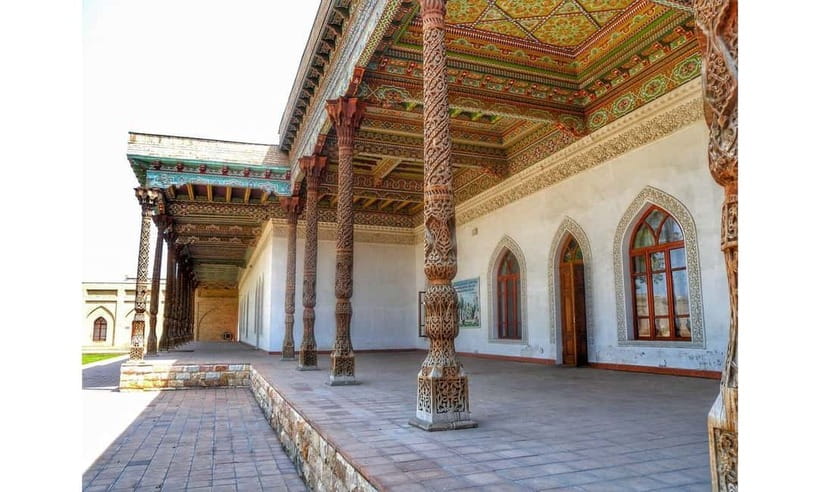
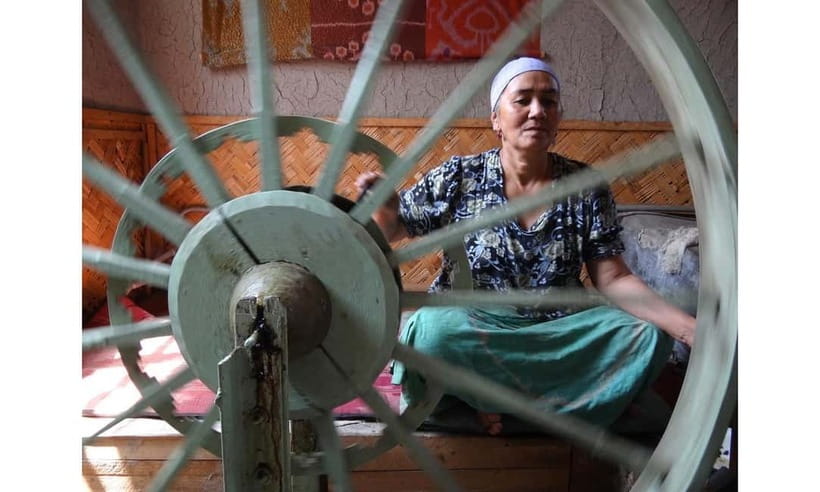
Margilan is the craft center of this journey and the overnight base. The city is known as a major silk center in Central Asia, and the visit to Yodgorlik factory gives you a chance to see manual silk production rather than only finished scarves on a shop shelf.
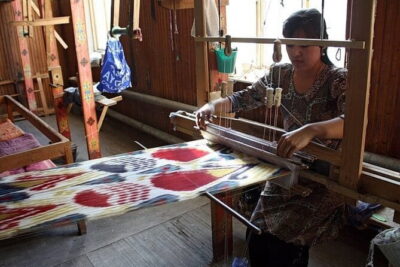
The useful part is the process. You can learn how silk materials are made and see techniques connected with ikat and batik. Ikat is known for its patterned fabric, created through a method that produces distinctive blurred or feathered edges. Batik involves decorative treatment of cloth. The point of the factory visit is not simply shopping. It is understanding the labor and skill behind the textiles.
This is where the trip earns much of its cultural value. A finished silk item can look beautiful in a market, but watching the making process helps you judge it with a better eye. You may also have a clearer sense of why Margilan remains important to the region’s economy and identity.
The overnight stay is in a boutique hotel or similar three-star accommodation, with breakfast included. The hotel is not presented as a luxury property, and the package does not include lunch or dinner. That keeps the price fairly direct, but you should budget for meals and personal spending.
One practical note: the night may be changed from Margilan to Fergana. That could suit your transport plans, but ask where you will sleep before booking if the town matters to you.
A completely different kind of day:
- Best of Tashkent Mountains: Amirsoy, Chimgan & Charvak Trip
★ 4.8 · 567 reviews - Samarkand: Historical Monuments Guided Walking Tour
★ 4.8 · 446 reviews - Samarkand One Day Tour – Departure From Tashkent
★ 5.0 · 313 reviews - Khiva: Historical City Highlights Guided Walking Tour
★ 4.8 · 156 reviews
Kumtepa Bazaar, where order is optional
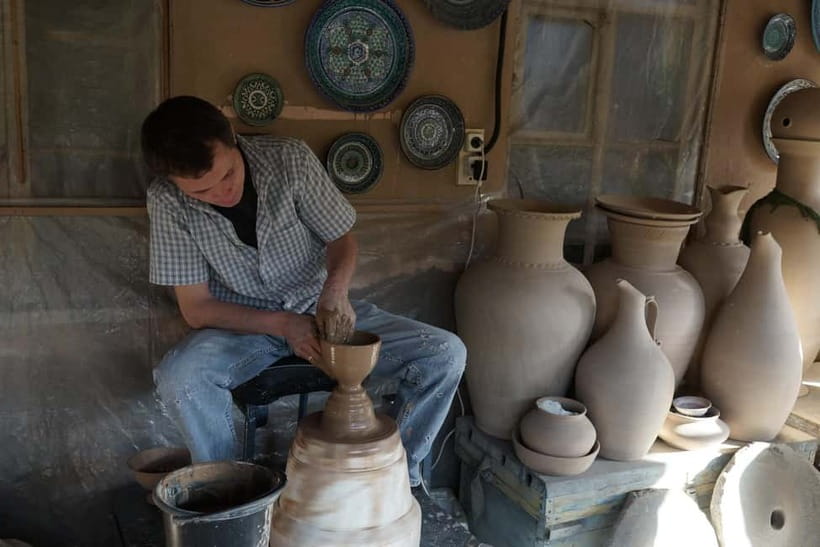
On the second day, you visit Kumtepa Bazaar if your schedule falls on a Thursday or Sunday. This restriction is important. If your dates do not match those market days, you should not assume that the bazaar visit will be available.
Kumtepa is presented as an Oriental market where you can find almost anything amid considerable disorder. That description tells you what to expect: a strong commercial atmosphere, crowded displays, informal movement, and less of the tidy presentation found in a tourist market.
I like this stop because it gives the journey a practical local edge. You see buying and selling as everyday work, not as a performance arranged for visitors. The tradeoff is comfort. You may need patience, awareness of your belongings, and a willingness to accept noise and confusion.
The market also adds variety after the more controlled palace and factory visits. At Kokand, you follow a guided historical route. At Yodgorlik, you watch a craft process. At Kumtepa, you simply take in the flow of commerce. That contrast makes the valley feel like a real region rather than a string of attractions.
If the market is a priority, build the whole trip around Thursday or Sunday. This is one detail worth checking before you commit to dates.
Rishtan ceramics in a working master’s home
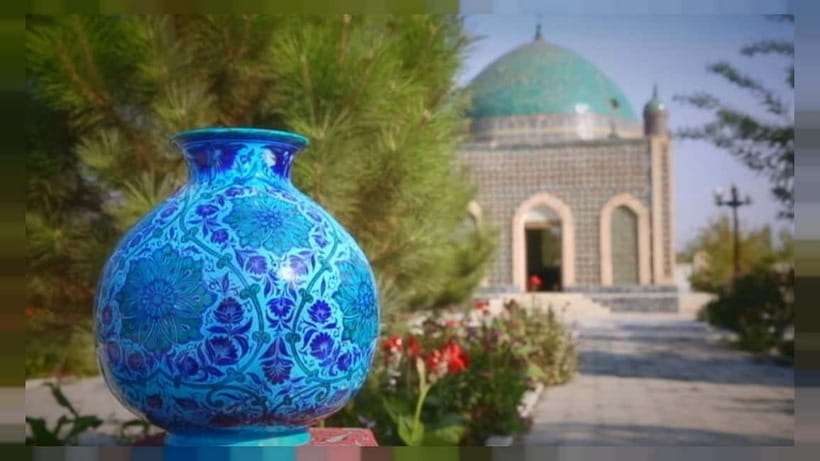
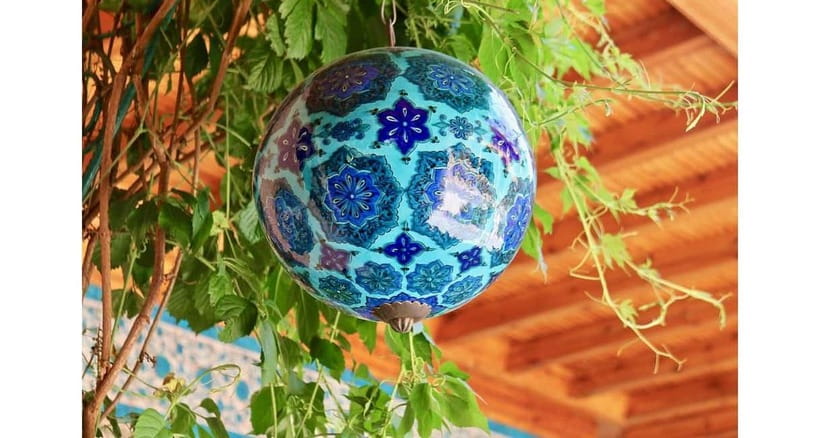
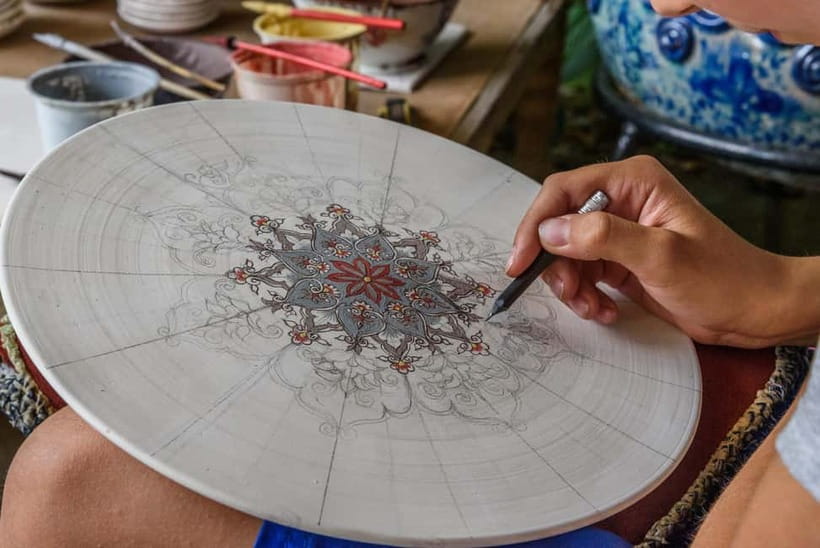
Rishtan is the center of Uzbekistan’s ceramic industry and one of the most rewarding stops for anyone interested in handmade objects. The local ceramic tradition is described as one of the most authentic among Uzbekistan’s regional schools, and it continues to be practiced.
The visit takes place at a master’s home. You can learn how the ceramics are produced and may participate in the process. That hands-on element separates Rishtan from a standard museum visit. You are not only seeing finished bowls, plates, or other pieces. You are getting closer to the methods and decisions that create them.
The home setting is also significant. It places the craft in a personal working environment rather than a large commercial showroom. You should expect a more direct connection with the maker, though the exact hands-on activity can vary.
Rishtan is a good match for you if you like practical demonstrations, traditional design, and small-scale production. It may be less appealing if you want a long, unhurried shopping session, since the itinerary still has to return to Tashkent.
The road back to Tashkent
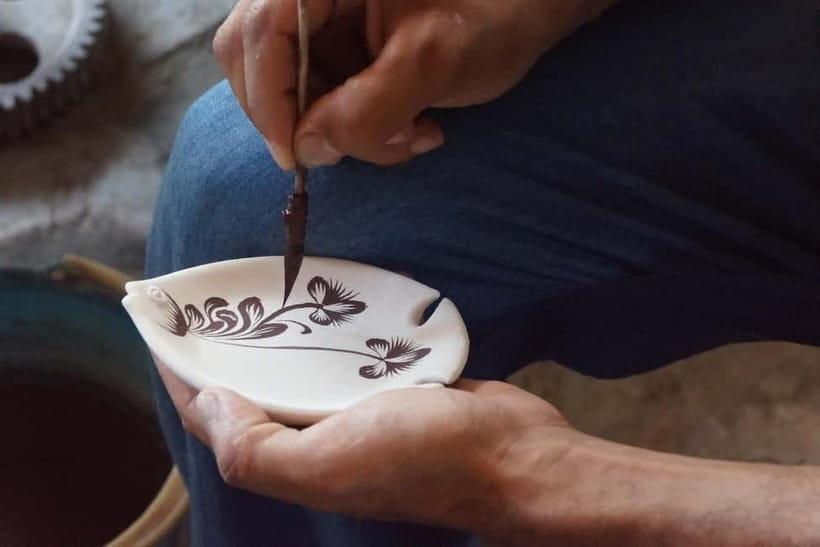
After Rishtan, the vehicle heads back across Kamchik Pass toward Tashkent. You have already seen the pass on the way out, so the return is less about adding a new attraction and more about completing the route.
This is the part of the trip to plan for carefully. Two days cover a lot: mountain views, three Kokand sites, a silk factory, a bazaar, a ceramic workshop, and the transfer back to the capital. You will spend hours on the road, even with sightseeing stops.
The private format helps. You can ask the driver to stop for a break, and the air-conditioned vehicle should make the long distances easier. Several strong accounts of the experience praise both the driver and guide for pointing out sights along the road and responding to requests.
Pickup and drop-off can be arranged at a Tashkent hotel, airport, or railway station. The trip can also be customized to start from Tashkent and end at the Osh border checkpoint, or run in the opposite direction. The stated price does not change for that option.
Is $230 per person a fair price?
At $230 per person, the cost is reasonable if you value private transport and a compact cultural route. The package includes an air-conditioned vehicle, one night in a boutique or comparable three-star hotel, breakfast, monument entries, guide services, the silk production introduction, all fees, and taxes.
Lunch, dinner, drinks, and personal expenses are extra. That is normal for this type of private trip, but food costs can add up across two days. Local meals often feature beef or lamb, rice, wheat or sorghum dough, and vegetables. Tell the operator in advance if you prefer vegetarian food or have other dietary needs.
Alcohol can be difficult to find in Fergana Valley restaurants. If that matters to you, plan accordingly rather than expecting a full drinks menu at every meal.
The price is strongest for solo visitors, couples, or a small private group that wants its own vehicle and schedule. It is less compelling if you are comfortable arranging public transport, booking hotels independently, and visiting only one city. The tour’s value comes from bringing several distant stops together without making you solve every transfer yourself.
Transport also received a 92 percent perfect rating, which supports the practical case for using the service on this route. A private car is not just a comfort here. It is what makes the two-day circuit workable.
Who should book this Fergana trip?
I would choose this trip if you want to add a working, craft-focused region to a first Uzbekistan visit. It suits you especially well if you enjoy guided context, local production, and a mixture of grand buildings and ordinary markets.
It is also a strong choice if you are starting or ending a wider Central Asia trip near the Osh border. The route can be adjusted for the border checkpoint without changing the listed program price.
You should think twice if you dislike long drives, want a slow schedule, or expect luxury hotels and polished tourist facilities. The valley is presented as less affected by mass tourism, and that means some parts may feel rough around the edges. Kumtepa’s disorder and the long return drive are not flaws to hide. They are part of the bargain.
The guide can shape the experience. Ali is the name most closely associated with the strongest praise, especially for friendly explanations, good English, cultural insight, and extra suggestions for time in Tashkent. If possible, request him by name, while understanding that guide availability may vary.
Free cancellation up to 24 hours before departure and reserve-now, pay-later booking make the commitment easier. The activity is listed as wheelchair accessible, though you should still discuss your specific mobility needs because the route includes mountain stops, historic sites, a market, and a workshop.
Should you book it?
Book this tour if you want crafts, local trade, and Kokand’s royal history in one efficient private trip. The silk factory and Rishtan workshop give the itinerary a purpose beyond sightseeing, while Kamchik Pass makes the journey itself part of the story.
I would book it for two main reasons: the route reaches places that are harder to connect independently, and the private guide and driver format gives you useful flexibility. I would skip it only if five-hour road days sound exhausting or if Kumtepa cannot fit your dates.
For the best match, schedule the trip so the bazaar falls on Thursday or Sunday, request Ali if available, carry comfortable shoes, and set aside money for meals. If those details suit you, Fergana offers a valuable change of pace from Uzbekistan’s better-known monuments.
FAQ
How long is the Fergana Valley tour from Tashkent?
The tour lasts two days and includes one overnight stay in Margilan or, potentially, Fergana.
What is the route?
The route runs from Tashkent to Kokand, Margilan, Kumtepa Bazaar, Rishtan, and back to Tashkent.
How long is the drive from Tashkent to Margilan?
The first drive takes about five hours, including sightseeing stops, and covers roughly 300 kilometers.
Is Kumtepa Bazaar open every day?
The itinerary includes Kumtepa Bazaar only on Thursdays and Sundays. Check your dates if the market is important to you.
What does the $230 price include?
It includes private air-conditioned transport, one night in a boutique or comparable three-star hotel, breakfast, guide services, monument entrance fees, an introduction to handmade silk production, all fees, and taxes.
Are meals included?
Breakfast is included according to the hotel’s menu. Lunch, dinner, drinks, and personal expenses are not included.
Which languages are available?
The activity lists English and Russian live guide services. Professional escort guide languages also include English, French, and Russian.
Can the tour be customized?
Yes. It can start in Tashkent and end at the Osh border checkpoint, or start at the Osh border checkpoint and finish in Tashkent. The stated program price does not change.
Is the tour private and wheelchair accessible?
It is offered as a private group and is listed as wheelchair accessible. Pickup is available from a specified hotel, airport, railway station, or other agreed point in Tashkent.
Just added in Uzbekistan
- Yurt Camp & Aydarkul Adventure from Bukhara★ 5.0 · 1 review
- Wine tour in Samarkand (Baguizagan) English★ 5.0 · 2 reviews
- Uzbek wedding ceremony★ 5.0 · 2 reviews
- Uzbekistan and Tajikistan 9-Day Tour★ 5.0 · 1 review
- Tashkent International Airport (TAS) to Tashkent – Arrival Private Transfer★ 5.0 · 2 reviews
- Uzbek Brews & Views: Tashkent Craft Beer Discovery Tour★ 5.0 · 2 reviews
- Urgench Airport / Railway Station – Khiva Transfer★ 3.0 · 2 reviews
- Traditional Khiva Cooking Class with Market Visit & Lunch★ 5.0 · 4 reviews
Fergana Valley Tours, compared.
Fergana Valley private tour from Tashkent by train
Read our review →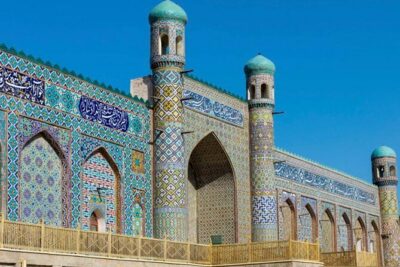
Full Day Private Tour to Fergana Valley from Tashkent
Read our review →Browse the lists this tour appears in