
Review · COOKING CLASSES
Traditional Khiva Cooking Class with Market Visit & Lunch
The best Khiva meal may begin at the market. This private home cooking experience pairs a local shopping trip with hands-on preparation of Plov or Shivit Oshi, followed by lunch with Sarvar Bobojonov and his family. I like the market visit because it shows you how ingredients are chosen and bought, not just how they appear on a plate. I also like the family setting, where cooking becomes a relaxed conversation about Khorezm food and daily life.
The main consideration is time. The full outing lasts 2.5 hours, with about two hours set aside for cooking, eating, and conversation, so the market stop and meal are likely to move at a good pace. You also need to dress modestly and leave backpacks, shorts, sleeveless shirts, and recording devices behind.
In This Review
- Key points to know before booking
- Why this Khiva cooking class feels different
- Starting from Khiva’s gates
- Shopping for ingredients at the local market
- Cooking Plov with Sarvar’s family
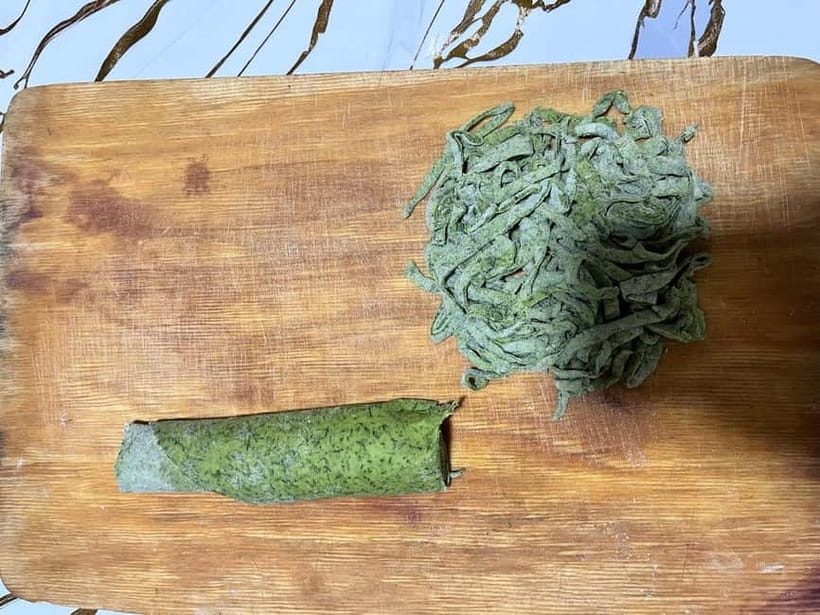
- Shivit Oshi, Khorezm’s green noodle dish
- Lunch, tea, fruit, and the family table
- What the $150 group price really buys
- Timing, clothing, and small rules that matter
- Who will enjoy this most
- Should you book this Khiva cooking class?
- FAQ
- How much does the cooking class cost?
- How long does the experience last?
- Which dishes can you cook?
- Is hotel pickup and drop-off included?
- What language is the class conducted in?
- What should I avoid bringing or wearing?
Key points to know before booking
- The market comes first: You shop for fresh ingredients with Sarvar and learn how locals select produce and negotiate prices.
- You cook in a real family home: The class takes place in Sarvar’s house, not a restaurant kitchen.
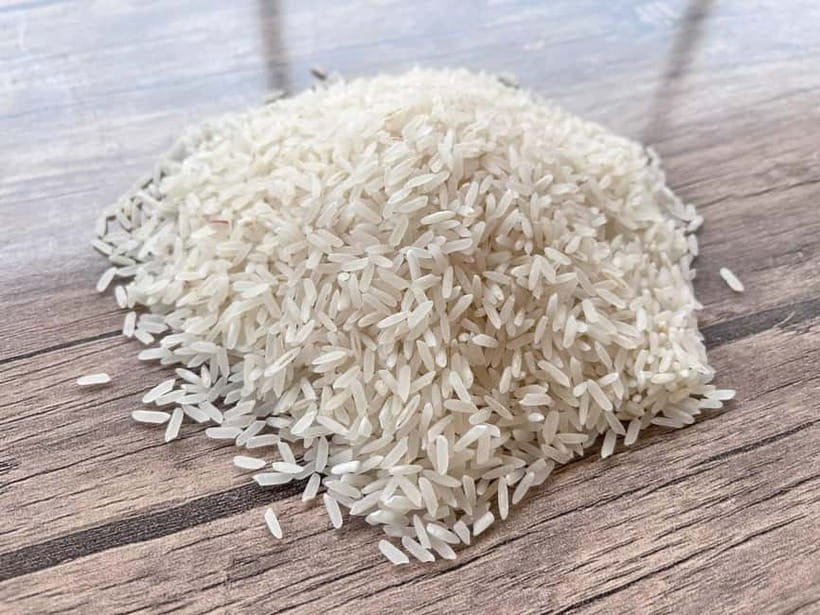
- Plov is the proven favorite: Sarvar’s mother prepares the dish with you, and the meal may include homemade pickles, green tea, and seasonal fruit.
- You choose between two Khivan specialties: The experience is built around Plov or Shivit Oshi, so confirm your preferred dish when booking.
- The price covers a private group of up to three: At $150 per group, the value improves greatly when shared by two or three people.
- Modest clothing matters: Shorts, sleeveless shirts, backpacks, smoking, alcohol, drugs, strollers, and audio recording are not allowed.
Why this Khiva cooking class feels different
Khiva has plenty of grand architecture, tiled gateways, and historic sights. Those are essential stops, but a visit can begin to feel like a parade of monuments. This cooking class gives you a look at another side of the city: how food is bought, prepared, served, and shared inside a local household.
I especially like the order of the experience. You do not arrive at a kitchen with ingredients already measured into bowls. You begin by going to the local market, choosing produce, and seeing the ordinary shopping routine behind the meal.
From there, you go to Sarvar’s home. His mother and brothers may be part of the cooking and meal, which gives the class a family feel rather than a formal demonstration. The strongest part of the experience is not simply learning a recipe. It is sitting with a household, eating food prepared together, and having time to talk about Uzbek customs, Khiva, and family life.
This is also a private group activity. With a maximum of three people, you should have more room to ask questions and take part in the preparation than you would in a large class. That makes the $150 price easier to justify for a small group, especially since pickup, ingredients, tea, dessert, and recipes are included.
More cooking classes in Khiva and Urgench:
- Master Class – Uzbek Bread (Khiva)
★ 3.5 · 4 reviews - Plov Tour : Taste, Tradition & History of Plov with a local guide
★ 5.0 · 1 review - Samarkand: Village Tour with Plov Cooking Class & Home Visit
★ 5.0 · 29 reviews
Starting from Khiva’s gates
Pickup is included from several points around Khiva, including Polvon Darvoza, the Stone Gate at the southern entrance to Itchan Kala, Bakcha Darvoza, and the west gate. The same general locations are used for drop-off.
The transport is listed as a white sedan, registration 156NAA. That small detail is useful in a city where several tour cars may be waiting near the gates. If you are unsure where to meet, use the exact gate name given during booking and look for the white car.
A hotel pickup keeps the start simple, especially if you are staying inside or close to Itchan Kala. The experience is not designed as a long excursion outside Khiva. It begins with a short transfer into local daily life, then returns you to the same general area after lunch.
The activity lasts 2.5 hours. Since the cooking portion is listed as two hours, you should not expect an unhurried half-day food tour. The market visit, cooking, meal, tea, and conversation all fit into a compact schedule. That is convenient if you have a busy sightseeing day, but you may want to avoid booking it immediately before a fixed appointment.
Shopping for ingredients at the local market
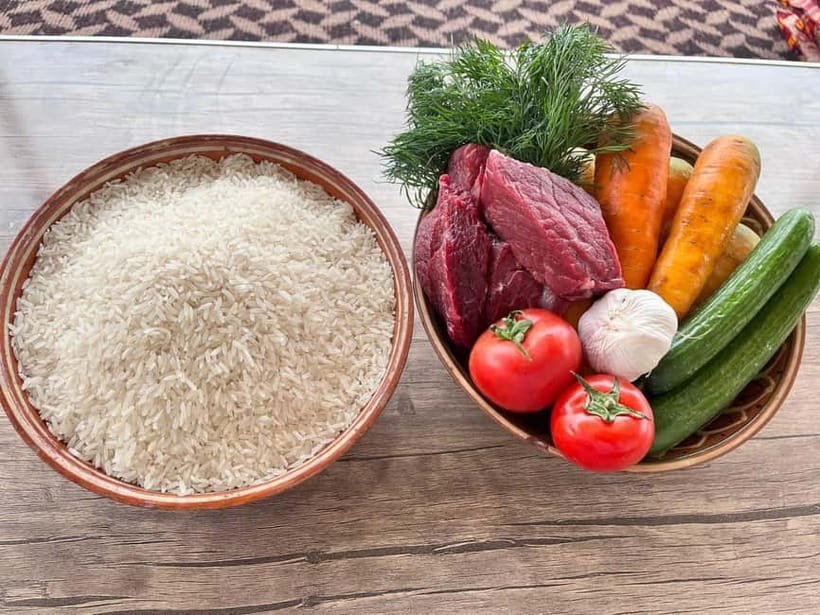
The market visit is the first real lesson. Sarvar helps you identify the ingredients needed for the selected dish, explains how people choose good produce, and shows you a side of Khiva that can be difficult to find on your own.
The value here is practical. You are not simply walking past stalls while a guide names foods. You select the ingredients used in your own meal. The process also gives Sarvar a natural way to explain price negotiation and shopping traditions.
For many people, this may be the most revealing part of the outing. A restaurant can introduce you to Uzbek flavors, but a market shows you the starting point. You get a better sense of the everyday food culture behind the menu.
Sarvar also shares facts about Khiva and Uzbekistan along the way. According to the experience details, the instruction is in English, so English-speaking visitors can follow explanations about the ingredients and cooking methods.
One practical point: market shopping takes time. If you are hoping to spend a long period photographing stalls or browsing independently, this may feel brief. The visit serves the cooking class first, so the group is there to buy what is needed rather than conduct a full market tour.
Cooking Plov with Sarvar’s family
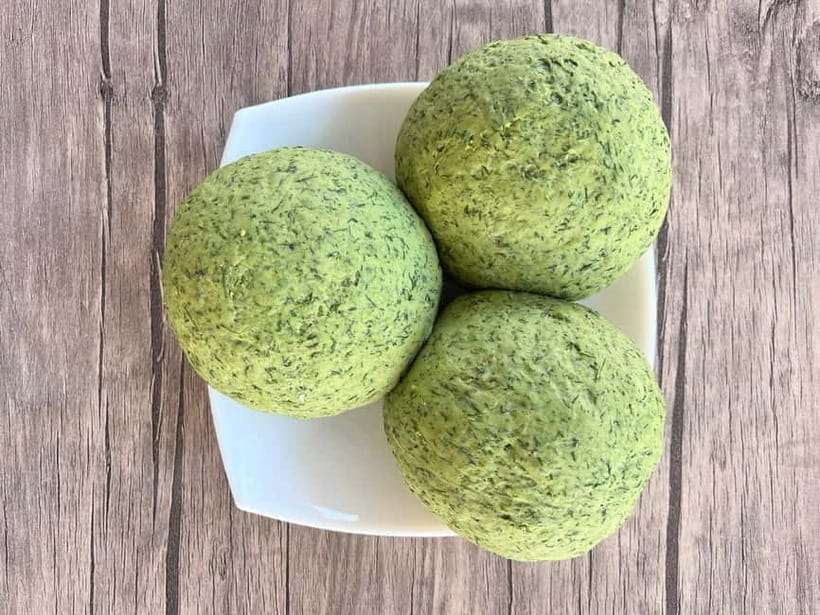
Plov is the dish most strongly associated with the praise for this experience. The preparation is led by Sarvar’s mother, with Sarvar explaining the process and other members of the family sometimes joining in.
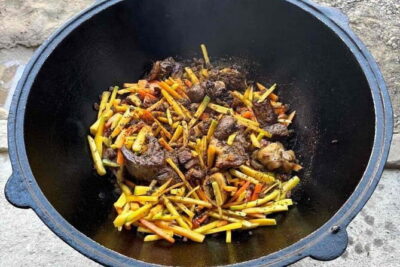
You should expect a hands-on class rather than a restaurant meal with a token demonstration. The goal is to help you understand how the ingredients come together and what small decisions affect the final result. Sarvar shares cooking methods passed down through his family, and you can ask questions as the dish takes shape.
The family setting adds something a professional cooking studio cannot easily copy. You see the meal being prepared in a real home, then eat it in that same setting. The change from market to kitchen to family table gives the outing a clear sense of place.
Several details make the meal memorable. Homemade pickles are praised as a highlight, and traditional green tea is served with the food. Seasonal melons and watermelons may follow as dessert, along with other fruit from the family garden. These extras matter because they turn lunch into a longer social moment rather than a quick plate of food.
I would choose Plov if you want the dish with the clearest record of success from this experience. The feedback is especially strong about Sarvar’s mother’s version, which was described as the best Plov eaten during an Uzbekistan trip. That does not mean you should skip the other option, but it does suggest that Plov is the safer choice for a first visit.
More craft workshops in Khiva and Urgench:
- Samarkand: Uzbek Cooking Class in a Village Home
★ 5.0 · 22 reviews - Cooking class in Samarkand with local life experience
★ 5.0 · 19 reviews - Private Samarkand Cooking Class with Market Tour & Transfers
★ 5.0 · 14 reviews - Cooking Class in the Village with Local Family in Samarkand
★ 5.0 · 11 reviews
Shivit Oshi, Khorezm’s green noodle dish
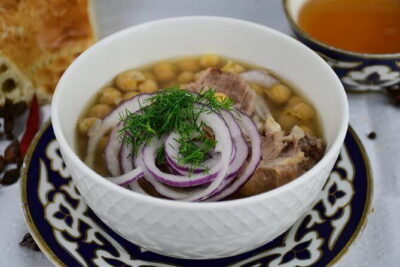
The other featured option is Shivit Oshi, a Khorezm specialty. It is a useful choice if you want to try something more closely tied to the local region rather than the better-known Uzbek dishes found across the country.
The information provided does not spell out the exact preparation or toppings for the Shivit Oshi class, so it is sensible to confirm the day’s menu before you arrive. The experience description presents Plov or Shivit Oshi as the central dish, not necessarily both in one session.
This choice may suit repeat visitors to Uzbekistan, people who have already eaten Plov several times, or anyone eager to focus on Khorezm cooking. If you have a strong preference, mention it when booking so the host can plan the market purchases and class around it.
Both options share the same appeal: you are not just tasting a regional food. You are learning how it is made in a home, with the ingredients selected shortly before cooking.
Lunch, tea, fruit, and the family table
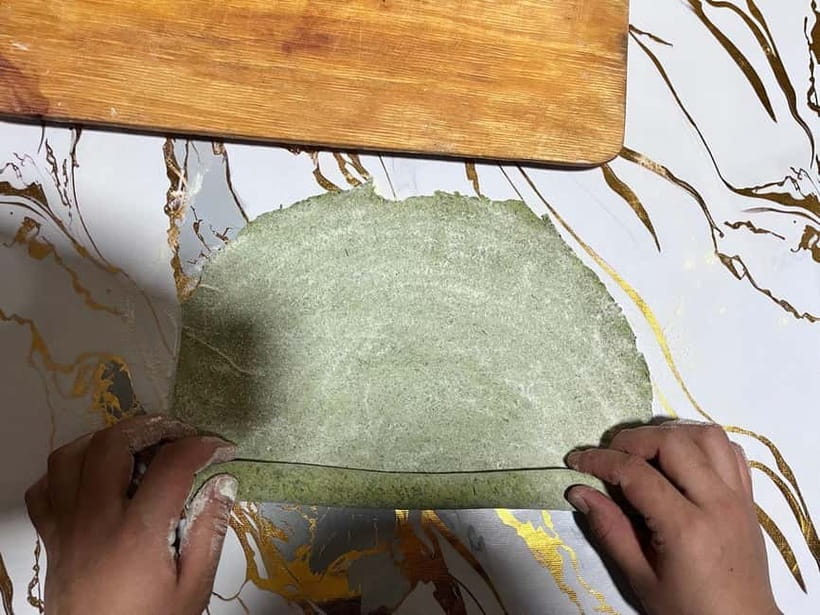
After cooking, you sit down to eat in the family home. This is where the class shifts from instruction to hospitality.
The meal includes traditional Uzbek tea and seasonal fruit for dessert. The fruit may include melons and watermelons, which received particular praise for their sweetness. Depending on the season, the family garden can add another small pleasure to the meal, with fruit picked or served from what is growing there.
The food itself is only part of the value. You get time to talk with Sarvar and his relatives about cooking, local customs, and life in Uzbekistan. The relaxed setting has been described as more like visiting a friend than attending a standard tourist activity.
That intimacy can also be a consideration. A home visit is not as predictable as a restaurant meal. The experience depends on conversation, family participation, and a willingness to follow the household’s rhythm. If you want a polished cooking studio, a fixed menu, or a quiet meal without much interaction, this may not be your best match.
For most people who want personal contact, that is exactly the point. The family welcome is the feature that gives this class its strongest sense of place.
What the $150 group price really buys
The listed price is $150 for a private group of up to three people. For one person, that is a substantial cost for a 2.5-hour activity. For two or three people, the per-person rate becomes much more reasonable.
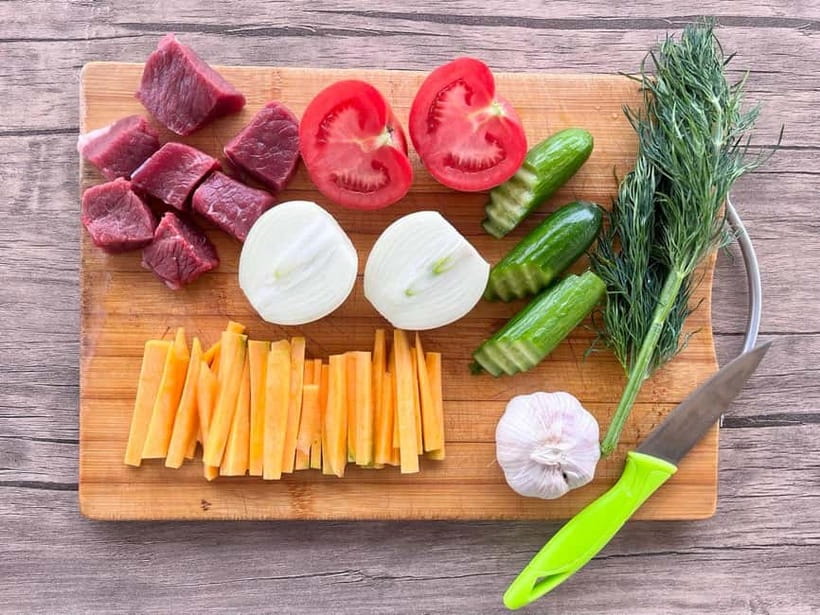
You are paying for more than ingredients and a lesson. The price includes hotel pickup and drop-off, a guided market visit, fresh ingredients, the cooking class, tea, fruit, lunch, and recipes to take home. You also receive private-group attention rather than joining a large class.
The market visit and home setting are the parts that make the price easier to defend. You could eat Plov more cheaply in Khiva, and you could probably find a basic demonstration at a lower rate. What you cannot easily buy for the same price is access to a local family home combined with guided shopping and a shared meal.
I would book this as a special activity for a couple or a small group of friends. Three people splitting the cost receive the best value. Solo visitors should ask themselves how much they value the family visit and personal instruction, since the price is not especially low when divided by one.
Timing, clothing, and small rules that matter
Plan on a compact but full experience. The stated duration is 2.5 hours, while the cooking class itself takes about two hours. That leaves limited room for delays, long market browsing, or a drawn-out meal.
Dress as you would for a respectful home visit. Shorts and sleeveless shirts are not allowed. Backpacks are also prohibited, so carry only what you need and check with the host if you are unsure about a small day bag.
Smoking, alcohol, drugs, baby strollers, and baby carriages are not allowed. Audio recording is also prohibited. You can still focus on conversation, food, and visual memories, but do not plan to record the class as a podcast or audio lesson.
The English-language instruction is useful, but the quality of a home experience depends partly on your own curiosity. Ask questions, show interest in the ingredients, and be ready to share the table politely. This is a social visit as much as a cooking lesson.
Free cancellation is available up to 24 hours before the start for a full refund. You can also reserve now and pay later, which helps if your Khiva schedule is still changing.
Who will enjoy this most
I would recommend this experience to you if you want:
- A personal look at daily life beyond Itchan Kala
- A small-group activity with direct contact with a local family
- A guided market visit instead of a restaurant-only meal
- A chance to cook and eat Plov or Shivit Oshi
- Recipes and ideas to recreate Uzbek food at home
- A relaxed cultural activity that fits into one morning or afternoon
It is a particularly good choice for couples, small groups of friends, and curious food lovers. It also suits visitors who have already seen Khiva’s main monuments and want an activity with more conversation and less formal sightseeing.
Families with very young children may need to think carefully because strollers and baby carriages are not allowed. The clothing rules may also require some planning. Visitors who dislike eating in private homes, prefer a strictly timed professional kitchen, or want a long independent market visit should consider another option.
Should you book this Khiva cooking class?
Yes, if your priority is real household hospitality, not simply learning a recipe. The best parts are the market shopping, Sarvar’s friendly guidance, cooking with his mother and family, homemade pickles, green tea, and seasonal fruit at the table.
I would choose Plov for the strongest food bet, especially if this is your first Uzbek cooking class. Choose Shivit Oshi if you want to focus on a dish tied more closely to Khorezm, and confirm the selection ahead of time.
At $150, the activity makes the most sense for two or three people sharing the cost. If that fits your group, this is one of the more personal ways to connect Khiva’s food with its people. You leave with a meal in your memory, recipes in your bag, and a clearer idea of how hospitality works inside a Khivan home.
FAQ
How much does the cooking class cost?
The price is $150 per private group of up to three people.
How long does the experience last?
The full experience lasts 2.5 hours. The cooking class portion is listed as two hours.
Which dishes can you cook?
The experience focuses on Plov or Shivit Oshi. Confirm your preferred dish when booking.
Is hotel pickup and drop-off included?
Yes. Pickup and drop-off are included from listed locations around Khiva, including Polvon Darvoza, the Stone Gate at Itchan Kala’s south entrance, Bakcha Darvoza, and the west gate.
What language is the class conducted in?
The instructor speaks English.
What should I avoid bringing or wearing?
Shorts, sleeveless shirts, backpacks, smoking, alcohol, drugs, baby strollers, baby carriages, and audio recording are not allowed.
More Bazaars in Khiva and Urgench
- Samarkand Local Family Cooking Class and Siyob Bazaar Tour
★ 5.0 · 5 reviews
Just added in Khiva and Urgench
- Urgench Airport / Railway Station – Khiva Transfer★ 3.0 · 2 reviews
- Uzbekistan 6 Days Private Tour Khiva-Bukhara-Samarkand by Train★ 5.0 · 4 reviews
- Transfer From Khiva To Bukhara★ 5.0 · 2 reviews
- Old Khiva Stories with Your Local Guide★ 5.0 · 5 reviews
- Day Trip Top 3 Fortresses departure from Khiva Self-Guided Tour★ 5.0 · 2 reviews
- Plov Tour : Taste, Tradition & History of Plov with a local guide★ 5.0 · 1 review
- Master Class – Uzbek Bread (Khiva)★ 3.5 · 4 reviews
- A Night In The Kyzylkum Desert [2] From Khiva★ 4.5 · 3 reviews
Cooking Classes, compared.
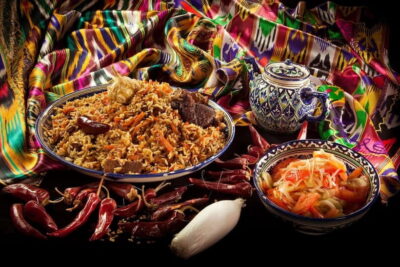
Village Tour with Plov Cooking Class & Home Visit
Read our review →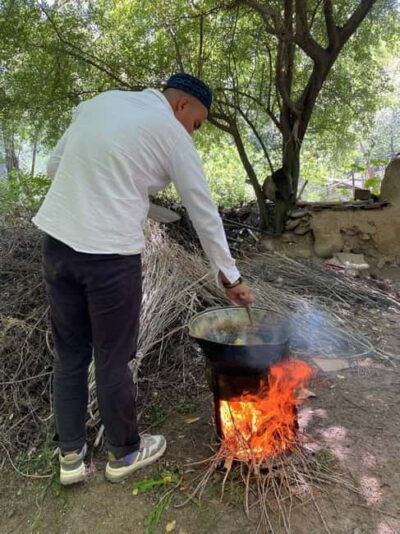
Cooking class in Samarkand with local life experience
Read our review →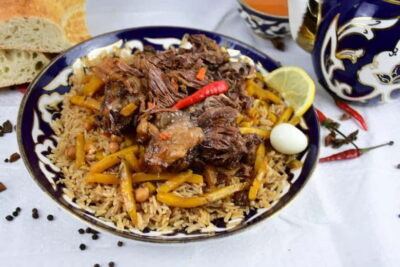
cooking traditional food in Samarkand with local people
Read our review →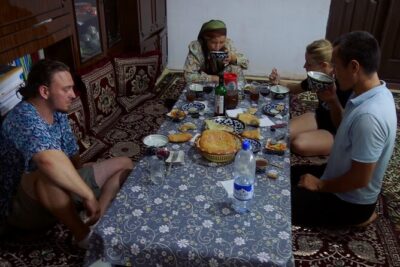
Private Samarkand Cooking Class with Market Tour & Transfers
Read our review →
Cooking Class in the Village with Local Family in Samarkand
Read our review →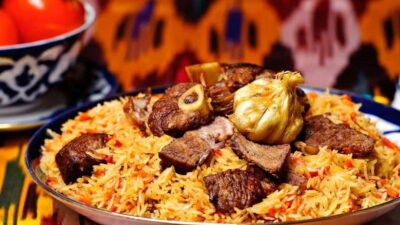
Browse the lists this tour appears in