
Review · WALKING TOURS IN KHIVA AND URGENCH
Khiva: Historical City Highlights Guided Walking Tour
Khiva rewards slow footsteps. I like the way this four-hour walking tour links the city’s major sights with stories about Uzbek culture and daily life, rather than leaving you to decode the monuments alone. I also like its modest $19 price, especially for a private or small-group outing. The main catch is that entrance tickets are extra, and one recent experience put museum access at about €20 per person.
You’ll walk through the UNESCO-listed Itchan Kala, stopping at the Allakuli Khan Madrasah, Islam Khoja Minaret, Pakhlavon Makhmud Mausoleum, and Juma Mosque. Guide quality appears to be a major strength, with Iroda receiving repeated praise for her clear English, humor, patience, and thoughtful views on modern Uzbekistan. Still, this is not a good fit if you have serious mobility limits or dislike walking for several hours.
In This Review
- Key points at a glance
- Why a walking tour makes sense in Khiva
- Starting at the Caravan Monument or ticket office
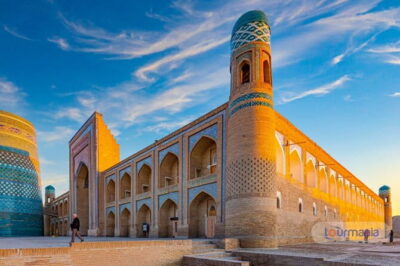
- Allakuli Khan Madrasah: a strong first stop
- Islam Khoja Minaret: Khiva’s vertical landmark
- Pakhlavon Makhmud Mausoleum and the city’s spiritual side
- Juma Mosque and its forest of wooden columns
- Itchan Kala: the broader story around the monuments
- The guide makes the biggest difference
- How much the $19 price is really worth
- Pace, comfort, and practical preparation
- Who will get the most from this Khiva tour?
- Should you book the Khiva Historical City Highlights tour?
- FAQ
- How long does the Khiva walking tour last?
- What places does the tour visit?
- Is the entrance fee included in the $19 price?
- Where does the tour begin?
- Where does the tour finish?
- Which languages are available?
- Is this a private tour or a group tour?
- Can people using wheelchairs join the tour?
Key points at a glance
- Four hours inside Itchan Kala: The tour covers Khiva’s walled old city on foot, with time at its best-known religious and architectural sites.
- Iroda is frequently assigned and highly praised: She is described as warm, witty, patient, and especially good at connecting old stories with present-day Uzbek life.
- Admission costs extra: The $19 covers the guide and taxes, but you must buy entry tickets at the start.
- Small groups help the experience: You can ask questions, request more time, or adjust the pace more easily than on a large bus tour.
- The tour mixes monuments with local insight: Guides may discuss food, bread, customs, women’s lives, restaurants, souvenirs, and everyday culture.
- Prepare for a walking afternoon: Wear proper shoes, bring water, and expect sun or changing weather. Flash photography is forbidden inside certain sites.
Why a walking tour makes sense in Khiva
Khiva’s old city is compact, but compact does not mean simple. Itchan Kala is filled with madrasahs, mosques, mausoleums, tiled façades, narrow lanes, and tall minarets. Without a guide, you can admire the blue tile and grand doorways yet miss why the buildings mattered, how they were used, and which stories belong to history or legend.
This tour gives you a useful first framework. You move from a 19th-century madrasah to a soaring minaret, then to a sacred mausoleum and an unusual wooden-column mosque. That sequence gives your walk a clear shape instead of turning it into a blur of similar domes and walls.
I especially value the human side of the guiding. Several guides have been praised for talking about more than dates and rulers. Iroda, in particular, is described as someone who connects Khiva’s past with Uzbek food, family life, local traditions, women’s experiences, and present-day concerns. That can make the old city feel like a living place, not a museum set.
The tour is listed at four hours, though one experience lasted about three and a half hours. The exact pace may depend on your group, the guide, questions, and closing times at the sites. One person felt the final two stops became rushed because buildings were about to close, so an earlier start may be wise if you have a choice.
More Walking Tours in Khiva and Urgench
- Khiva Historical City Highlights Guided Walking Tour
★ 5.0 · 30 reviews - Khiva Walking Tour
★ 4.7 · 22 reviews - Khiva Walking Tour
★ 4.5 · 15 reviews
Starting at the Caravan Monument or ticket office
You can begin at either the Caravan monument or the ticket office for Khiva’s old town, depending on the option you book. The meeting point can vary, so check the confirmation carefully and keep your phone available.
The ticket office matters because admission is not included in the $19 price. Your guide helps you buy the required tickets at the beginning, which is convenient, but you should bring extra money for them. One booking experience reported paying about €20 per person for access to the museums and major attractions. Treat that figure as a useful budget guide rather than a fixed current rate.
This arrangement is not necessarily poor value. You would likely want access to the main sites even if you explored alone, and the guide’s help at the ticket office removes some uncertainty. Still, the headline price does not represent your full cost, so plan for both the tour fee and admission.
Allakuli Khan Madrasah: a strong first stop
The Allakuli Khan Madrasah is the first scheduled sight and receives about 20 minutes. It is a fine introduction to Khiva’s Islamic architecture, with the guide explaining its role as a place of religious study and its place in the city’s 19th-century development.
This stop works well early in the walk because it gives you time to study the details before the afternoon becomes crowded with names, dates, and buildings. Expect a guided visit and photo time rather than an extended architectural lecture.
You may want to ask how the madrasah functioned, who studied there, and how it fit into Khiva’s wider religious and civic life. The strongest guides on this tour appear willing to answer questions instead of simply reciting a prepared list.
Islam Khoja Minaret: Khiva’s vertical landmark
The Islam Khoja Minaret gets about 30 minutes, including walking and guided explanation. Its height makes it one of the easiest landmarks to recognize in Khiva, and it offers a useful change after the broad, enclosed feel of a madrasah courtyard.
This is one of the tour’s best photo stops. The minaret’s proportions and decorated exterior give you a strong sense of Khiva’s visual style, but the guide adds the context that a photograph cannot provide. You’ll learn why this structure became such an important symbol of the city.
The schedule does not promise that you can climb the minaret, so do not book this tour expecting a tower ascent. The stated plan is a visit, walk, explanation, and photography. If you want extra time for pictures, tell your guide early, particularly if your group has mixed interests.
A completely different kind of day:
- Transfer: Bukhara – Khiva via Ancient Fortresses
★ 4.5 · 101 reviews - Daytrip From Khiva To Ancient Fortresses
★ 4.6 · 60 reviews - Aral Sea Adventures (2 day)
★ 5.0 · 30 reviews - Guided Tour To Old Fortresses
★ 5.0 · 25 reviews
Pakhlavon Makhmud Mausoleum and the city’s spiritual side
The Pakhlavon Makhmud Mausoleum receives about 20 minutes. This sacred site honors Pakhlavon Makhmud, a respected Sufi saint, and offers a quieter, more devotional counterpoint to the city’s grand public architecture.
The visit is not just about decoration. A good explanation can help you understand why mausoleums remain important in Central Asian cities and how religious memory shapes the way people view a place. You should dress and behave respectfully, since this is a religious site rather than only a historical attraction.
Photography is allowed in general, but flash photography is prohibited inside certain places. Keep your camera ready without assuming every interior permits unrestricted shooting. Your guide can tell you when a flash would be inappropriate or forbidden.
Juma Mosque and its forest of wooden columns
The Juma Mosque is scheduled for about 20 minutes, plus walking time. Its main appeal is the unusual wooden-column design, associated with a mosque tradition dating back to the 10th century.
After the decorated tilework of other Khiva buildings, the mosque can feel more restrained. Look upward and around rather than focusing only on the walls. The columns create a distinctive interior rhythm, and the contrast helps you see that Khiva’s architecture is not all about bright blue surfaces and towering façades.
This is another place where a guide adds real value. The mosque’s design is easy to appreciate but harder to interpret without help. Ask about the columns, the building’s age, and how the space was used. The visit is fairly short, so listeners who enjoy architectural detail may want to keep questions focused.
Itchan Kala: the broader story around the monuments
The tour allows about 40 minutes for Itchan Kala itself, though much of the walking between individual sights also takes place inside the old city. This is the part that ties everything together.
Itchan Kala is more than a collection of separate attractions. Its lanes, walls, courtyards, trading spaces, religious buildings, and restored façades form a historic urban district. Walking through it lets you see how the monuments relate to one another and how the old city works as a whole.
I would pay attention during the transitions. Guides often share the most useful comments while walking, when they can point to a side street, a quieter corner, a local custom, or an overlooked detail. Bonu, for example, was praised for showing places that would be easy to miss alone, while other guides have offered restaurant and souvenir suggestions along the way.
The tour description calls Itchan Kala a UNESCO World Heritage site. That status signals its international importance, but you do not need a formal heritage lecture to appreciate it. The practical benefit is simple: you get help sorting the essential sights from the many attractive buildings that compete for your attention.
The guide makes the biggest difference
The strongest pattern in the feedback is guide quality. Iroda is repeatedly described as fluent in English, easy to understand, funny, patient, and well prepared. People appreciated that she answered many questions, adjusted the pace, and discussed both historical events and modern Uzbek life.
That matters because a four-hour history walk can become tiring if it is only a string of dates. The best guides turn the city into a conversation. They explain myths and old tales, then connect those stories with food, customs, family life, and current society.
The experience is not limited to Iroda. Bonu received praise for adapting the route to the group and finding quieter places. Shaxzodabonu was described as funny, informative, and strong in English. Guide assignments can change, so you should not assume a particular person will lead your tour, but the repeated praise for several guides is encouraging.
There is one important qualification. One person felt the guide relied too much on key dates and did not provide enough detail or storytelling. Another found the English clear and easy to follow. That difference reminds you that the guide will shape the experience more than the printed route. A small group and active questions can help you get more from the walk.
How much the $19 price is really worth
At $19 per person, the tour is inexpensive for a four-hour guided walk, particularly if you receive a private guide or join only a small group. You are paying for a local person who can explain the monuments, help with admission, answer questions, and suggest places to eat or explore afterward.
The extra ticket charge changes the calculation. Since admission is excluded, the final cost can be noticeably higher than $19. One experience placed the additional access cost at about €20 per person, and you should confirm the current amount before booking.
Even with that extra fee, I see good value if this is your first time in Khiva. The old city’s attractions are close together, so you can walk between them without paying for transport. The guide’s role is not to drive you from sight to sight but to provide meaning, orientation, and local perspective.
If you already have a strong guidebook, enjoy researching architecture, and prefer wandering alone, you may decide to skip the tour. If you want to understand what you are seeing and make efficient use of one afternoon, the cost is easier to justify.
Pace, comfort, and practical preparation
This is a genuine walking tour, not a gentle sightseeing ride. The route includes repeated walks between sites, standing during explanations, and time outdoors in changing weather. The activity is not suitable for people with mobility impairments or wheelchair users.
Wear comfortable walking shoes. Bring water, sunscreen, and a hat in warm weather. Khiva can be exposed and sunny, and four hours is long enough for heat to affect your attention.
A coffee break is not built into the schedule. One person suggested that a stop would improve the experience, so eat beforehand or carry water and a small snack if needed. You can ask your guide about a break, but do not count on one being part of the fixed plan.
The tour is available in English, Uzbek, and Russian. If you need English, the repeated praise for Iroda and other guides suggests strong communication is common, though no tour can guarantee a particular guide. Add your WhatsApp number when booking, as the operator specifically requests it for contact.
Respect the religious nature of the mausoleum and mosque. Follow instructions on photography, and never use flash where it is prohibited. Modest, considerate behavior is the right approach in every sacred space.
Who will get the most from this Khiva tour?
I recommend this experience to first-time visitors who want a clear introduction to Itchan Kala. It is especially useful if you have only a limited stay and want to cover the main monuments without spending your first day figuring out the old city’s layout.
It also suits people who enjoy conversation. The best accounts of the tour describe guides answering questions about Uzbekistan today, recommending food, explaining local traditions, and adjusting the pace to the group. You get more than a list of buildings if you engage with the guide.
History fans should ask for stories, not only dates. Photography-focused visitors should explain their priorities so the group can allow enough time at the minaret and other striking façades.
You may want another plan if you have difficulty walking, need frequent seated breaks, or want a very slow visit inside each monument. The published schedule gives individual stops only 20 to 40 minutes, and late-day closing times can make the final sites feel hurried.
Should you book the Khiva Historical City Highlights tour?
Book it if you want context, company, and a practical route through Itchan Kala. At $19, the guide fee is fair, even after you add the separate admission cost, and the small-group or private format gives you room to ask questions.
The strongest reason to go is the chance to meet a guide such as Iroda, Bonu, or Shaxzodabonu, though assignments vary. The best version of this tour brings Khiva’s monuments together with stories about real life in Uzbekistan.
Skip it if you are comfortable exploring independently, have very limited mobility, or want long, unhurried museum visits. Otherwise, choose an early start when possible, budget for admission, wear good shoes, and treat the walk as your introduction to Khiva rather than your final word on the city.
FAQ
How long does the Khiva walking tour last?
The advertised duration is four hours. One experience lasted about three and a half hours, so the exact length can vary with the group’s pace, questions, and site closing times.
What places does the tour visit?
The route includes the Allakuli Khan Madrasah, Islam Khoja Minaret, Pakhlavon Makhmud Mausoleum, Juma Mosque, and the UNESCO-listed Itchan Kala area.
Is the entrance fee included in the $19 price?
No. Entrance tickets are not included. You purchase them at the start of the tour, with help from the guide. One booking experience reported an additional cost of about €20 per person, but current prices may differ.
Where does the tour begin?
There are two possible starting points: the Caravan monument or the ticket office for Khiva’s old town. The exact meeting point depends on the option booked.
Where does the tour finish?
The listed drop-off choices are the ticket office for Khiva’s old town or Itchan Kala.
Which languages are available?
Live guiding is available in English, Uzbek, and Russian.
Is this a private tour or a group tour?
Private and small-group options are available. Check the option you select when booking.
Can people using wheelchairs join the tour?
The activity is not suitable for wheelchair users or people with mobility impairments. It involves several hours of walking between historic sites.
More City Tours in Khiva and Urgench
- Khiva City Tour
★ 4.0 · 2 reviews - Private Samarkand City Tour With Transportation
★ 5.0 · 149 reviews - A City Tour Of Samarkand: The Pearl Of The East
★ 5.0 · 133 reviews - Tashkent City Tour
★ 5.0 · 121 reviews
More History Tours in Khiva and Urgench
- Plov Tour : Taste, Tradition & History of Plov with a local guide
★ 5.0 · 1 review - Samarkand: Historical Monuments Guided Walking Tour
★ 4.8 · 446 reviews - Samarkand: Historical Monuments Group Walking Tour
★ 5.0 · 29 reviews - Samarkand Historical City Highlights Guided Walking Tour
★ 5.0 · 22 reviews
Just added in Khiva and Urgench
- Urgench Airport / Railway Station – Khiva Transfer★ 3.0 · 2 reviews
- Traditional Khiva Cooking Class with Market Visit & Lunch★ 5.0 · 4 reviews
- Uzbekistan 6 Days Private Tour Khiva-Bukhara-Samarkand by Train★ 5.0 · 4 reviews
- Transfer From Khiva To Bukhara★ 5.0 · 2 reviews
- Old Khiva Stories with Your Local Guide★ 5.0 · 5 reviews
- Day Trip Top 3 Fortresses departure from Khiva Self-Guided Tour★ 5.0 · 2 reviews
- Master Class – Uzbek Bread (Khiva)★ 3.5 · 4 reviews
- Plov Tour : Taste, Tradition & History of Plov with a local guide★ 5.0 · 1 review
Walking Tours in Khiva and Urgench, compared.
Khiva Historical City Highlights Guided Walking Tour
Read our review →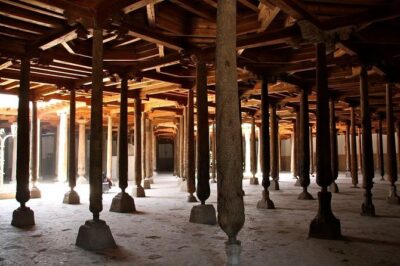

Browse the lists this tour appears in