
Review · FOOD AND DRINK TOURS IN TASHKENT
Tashkent: Uzbek Culture, Food, Crafts & Pottery Masterclass
Skip the usual city tour for clay and plov. This private 3.5-hour experience gives you a friendly introduction to Uzbek culture through craft traditions, Silk Road history, hands-on pottery, and a generous local meal. I especially like the chance to visit artisans and shop with help from a guide who can handle bargaining, and I like that you create a ceramic piece rather than simply look at one. The main consideration is timing: your pottery is not ready to take home immediately, so you need to collect it later or pay extra for international shipping.
The experience is led by local guides such as Yusuf, Julia, and Sandor, with English, Russian, Polish, and Uzbek available. It costs $85 per person, which is fair for a private outing that includes transport to the workshop, guiding, materials, pottery instruction, and lunch. Just remember that hotel drop-off and pottery delivery cost extra.
In This Review
- Key points before you book
- Why this Tashkent experience feels different
- One hour with Uzbekistan’s craft traditions
- The pottery workshop puts you to work
- Your pottery is a delayed souvenir
- Lunch turns the lesson into a social experience
- The guides are a major part of the value
- Is $85 a fair price?
- Who should book it?
- My verdict on the Tashkent pottery experience
- FAQ
- How long does the Tashkent pottery and culture experience last?
- What is included in the $85 price?
- Is hotel pickup included?
- Can I take my pottery home immediately?
- What food is served?
- Which languages are available?
- Is the activity suitable for everyone?
Key points before you book
- Make your own Uzbek ceramic piece: A master potter guides you through clay preparation, shaping, smoothing, and decoration without taking all the creative control away from you.
- Hear the Silk Road story through crafts: The cultural walk connects textiles, ceramics, silk, dolls, embroidery, and household customs to Uzbekistan’s trading past.
- Get real help with souvenir shopping: Your guide can bargain for you, useful if you are unsure about fair prices or local shopping etiquette.
- Eat a proper Uzbek meal: Fresh non bread, salads, green tea, and palov with lamb, carrots, and raisins make lunch part of the cultural lesson.
- Plan around the pottery drying time: Your finished piece needs drying and kiln firing, with collection after about a week or two, or paid shipping.
- Expect a private, conversational outing: The guides make the experience feel relaxed and personal, but the activity is not suited to wheelchair users or people with back problems.
Why this Tashkent experience feels different
Tashkent has grand squares, museums, markets, and Soviet-era avenues. Those sights matter, but they do not always show you how people make things, celebrate family events, decorate their homes, or pass traditions from one generation to the next.
This outing takes a more hands-on route. You move from cultural explanations to artisan work, then sit down for a traditional meal. That order works well because you first learn what Uzbek crafts mean, then try one yourself, and finally taste a dish that is central to social life.
I also like the private-group format. You can ask about local superstitions, wedding customs, tribal differences in craft styles, or modern life without feeling you are holding up a large group. Guides Yusuf and Julia have been praised for making the afternoon feel more like time with a local friend than a formal lecture. That friendly tone is a major part of the value.
The experience begins with pickup in Tashkent and transport to the workshop area. Transport to the activity is included, while a return to your hotel can be arranged for an added fee. Confirm the pickup and return details when booking, especially if you have evening plans.
More Food and Drink Tours in Tashkent
- Tashkent Vegan Street Food Tour
★ 5.0 · 22 reviews - Tashkent Walking & Food Tour: Highlights + Local Flavors
★ 5.0 · 18 reviews - With John Private Tashkent city & Food tour
★ 5.0 · 13 reviews
One hour with Uzbekistan’s craft traditions
The opening cultural section lasts about an hour. Rather than giving you a broad, rushed history lesson, the guide uses objects and artisan work to explain how Uzbekistan developed as a meeting point along the Silk Road.
You learn why textiles, silk, ceramics, and other handmade goods mattered along the old trade routes. Uzbekistan was not simply a place where goods passed through. Its towns and communities developed their own styles, techniques, and customs as ideas and materials moved across Central Asia.
The craft topics cover a wide range:
- Silk production and traditional textiles
- Suzani embroidery and its history
- Ceramics and pottery
- Handmade dolls in regional dress
- Differences between tribal craft styles
- Household traditions and wedding customs
- Local beliefs and superstitions
The doll-making section sounds especially useful for understanding how clothing can signal regional identity. The textiles and Suzani embroidery also give you a way to read the patterns and colors you may encounter in shops later in your trip.
The guide’s personal perspective adds something a standard museum label cannot. Julia, for example, has shared what it was like joining an Uzbek family as a foreigner. That kind of story helps connect customs to daily life, rather than leaving them as distant facts.
You will also have time to look at artisan goods and shop. This is not just a quick browse. The guide can help you bargain, which matters in places where prices may begin with room for negotiation. You still decide what to buy, but having a local handle the conversation can make shopping less stressful and may help you avoid paying more than necessary.
A practical tip: bring your camera and leave room in your luggage. The experience covers textiles, dolls, pottery, and other handmade objects, so you may find yourself wanting a souvenir before lunch.
The pottery workshop puts you to work
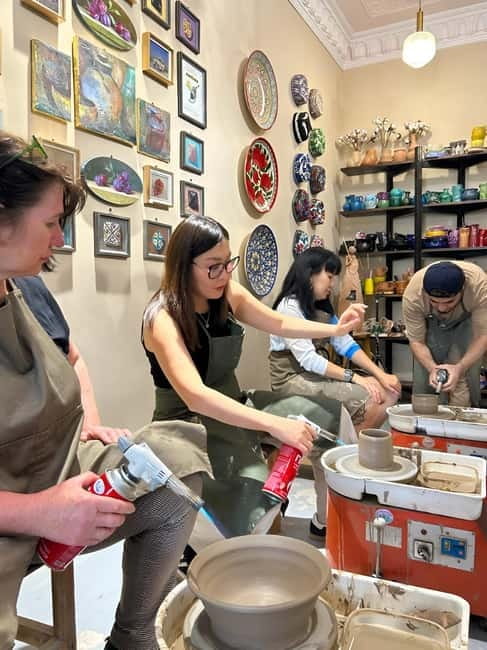
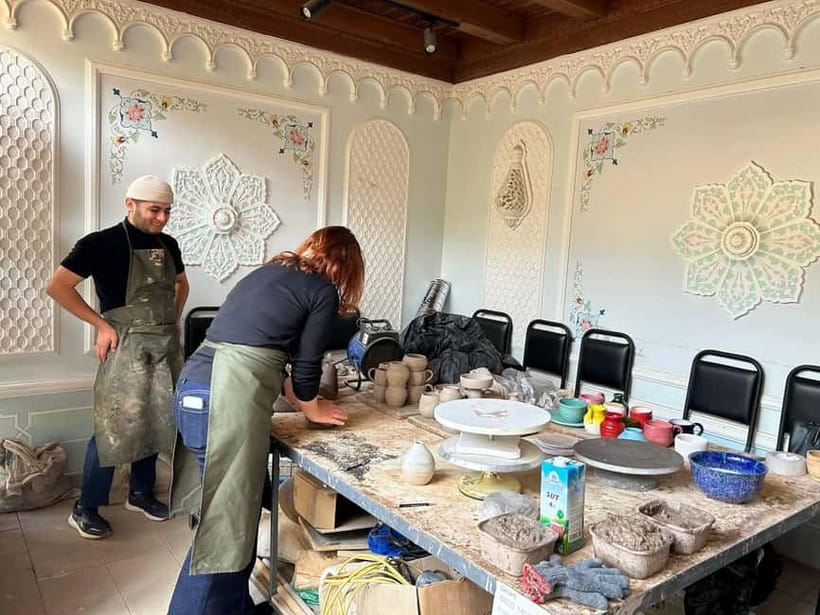
The pottery class is the heart of the experience. It lasts about an hour to an hour and a half, depending on the precise schedule, and it is designed for beginners.
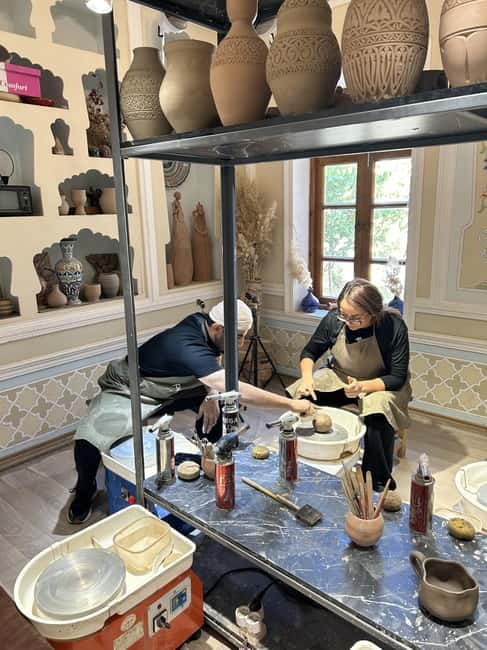
You start with an introduction to Uzbek pottery and the basic stages of making a ceramic object. The master artisan explains how the clay is prepared and helps you choose the sort of piece you want to make. You then work with the clay by wheel throwing or molding, followed by drying, smoothing, and decoration.
This is a useful distinction from a demonstration. You are not simply watching a professional produce a perfect bowl in a few minutes. You get to shape your own object, and the guides help you correct mistakes as you go.
Several people have especially liked the balance of assistance. The potter is present to guide your hands and explain the process, but you retain creative control. That means your piece may have a few charming signs of being handmade. In this setting, an imperfect pot is a better souvenir than a factory-perfect one.
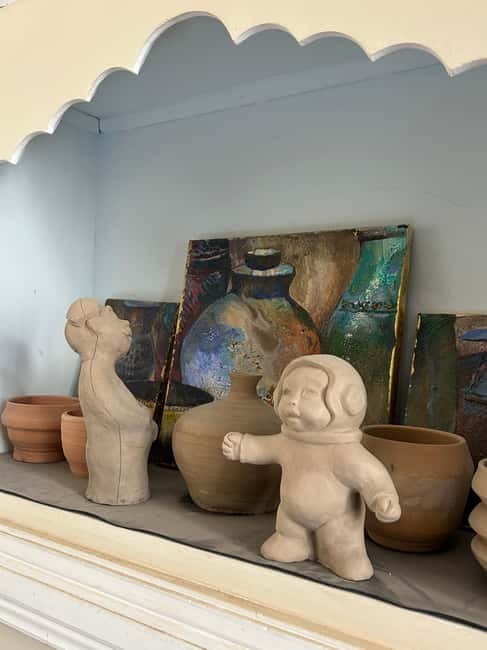
The workshop also gives you a closer look at the skill behind Uzbek ceramics. When you see finished pieces made by a master, you can appreciate the control required for even shapes, smooth surfaces, and repeated patterns. Then you try the same broad process yourself and quickly discover that clay has its own ideas.
The later stages include shaving and smoothing the surface, followed by decoration with patterns. The exact final appearance depends on what you choose and how the artisan helps finish it. The supplied information does not specify a particular glaze or color, so you should ask what options are available on the day.
Your pottery is a delayed souvenir
Your piece needs time to dry and be fired in a kiln. The stated waiting period varies from up to a week to around two weeks, so plan on collecting it later rather than expecting to carry it away after lunch.
If you remain in Tashkent long enough, you may be able to collect it in person. If not, international shipping is available for an additional fee. Shipping is not included in the $85 price, and the final cost is not stated, so ask before committing if delivery is important to you.
This delay is not a flaw in the activity. It is simply how pottery works. Still, it matters if you are taking a short trip or leaving Uzbekistan the next morning. In that case, the pottery experience remains worthwhile, but your souvenir will arrive later or require an extra payment.
The activity is not suitable for wheelchair users or people with back problems. Pottery can involve sitting, leaning, and working at a low position, so anyone with physical limitations should check the setup before booking.
More food tours in Tashkent:
- Food tour in Tashkent
★ 4.7 · 7 reviews - Ten Bites Adventure Food Tour in Tashkent
★ 5.0 · 6 reviews - Food tour in Tashkent
★ 5.0 · 5 reviews - Tashkent Food and Metro Journey
★ 5.0 · 4 reviews
Lunch turns the lesson into a social experience
After the craft work, you sit down to a traditional Uzbek meal. The meal is described as lasting around 45 minutes to an hour, depending on the schedule and restaurant.
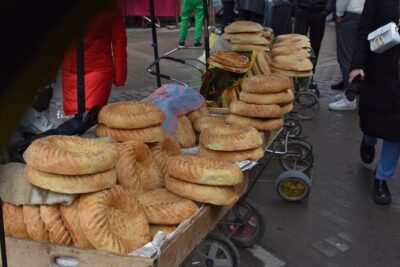
The centerpiece is palov, Uzbekistan’s famous rice dish prepared here with lamb, carrots, and raisins. It is served with fresh non bread, a staple Uzbek round loaf, along with Shakarob, a tomato and herb salad, and a Kuzchi Kayfiyat salad.
Green tea and water are included without limit. Additional side dishes can be ordered for an extra charge.
Palov is not just something to tick off a food list. It is connected with gatherings, hospitality, and celebration, so eating it after learning about weddings and household customs gives the meal a useful cultural setting. The food section also gives you time to talk with the guides and ask practical questions about the rest of your visit.
The lunch setting may be a local restaurant or a pleasant garden-style place, and the food has received some of the strongest praise. Several people have singled out the plov and green tea as highlights. If you are new to Uzbek food, this is a comfortable introduction because the meal is traditional but straightforward.
Do not expect a tasting menu or a long culinary tour. You receive a substantial local meal, not a series of small courses. That is a strength if you want a filling lunch and a relaxed conversation, but less so if you are looking for detailed instruction about every ingredient.
The guides are a major part of the value
The hosts make or break a private cultural experience, and this one benefits from guides who clearly enjoy talking about Uzbekistan.
Yusuf is often described as warm, funny, and easy to talk with. He has helped people understand local traditions, history, beliefs, and craft practices, while also offering suggestions for the rest of their time in Tashkent. Julia brings her own experience of adapting to Uzbek family and community life, giving the conversation a personal angle.
Sandor has also been praised for his passion for Uzbekistan and his ability to talk at length about the country. The available languages are English, Russian, Polish, and Uzbek, so check which guide and language are assigned to your booking.
The relaxed style will suit you if you prefer questions and conversation over a fixed script. You can ask about modern life, family customs, shopping, or the meaning behind a pattern. The tradeoff is that the exact flow may feel less formal than a museum tour. If you want a tightly timed academic presentation, this is not that kind of outing.
The private format helps here. You are not locked into the interests of a busload of people, and the guides can spend more time on the subjects that catch your attention.
Is $85 a fair price?
At $85 per person, this is not the cheapest way to spend an afternoon in Tashkent. You could eat palov for less, visit craft shops independently, and possibly arrange a basic pottery class at a lower price.
The value comes from combining several separate pieces into one organized experience. You receive transport to the workshop, a guide, access to artisan spaces, help with bargaining, materials, expert instruction, and a traditional meal. You also avoid having to arrange a workshop and restaurant yourself.
For a first day in Uzbekistan, the price looks particularly reasonable. You get cultural orientation, practical shopping help, food, and a creative activity in one sitting. The guides can also suggest other things to do in Tashkent, which may help you plan the next few days.
The private-group setup adds value for couples, families, or small groups who want flexibility. Solo visitors should weigh the price more carefully, since the cost is per person and the activity is not a budget walking tour.
Remember the extra costs. Hotel drop-off is not included, and shipping your pottery costs more. The description says free cancellation is available up to 24 hours before the start, and you can reserve now and pay later, which helps if your Tashkent schedule is still moving around.
Who should book it?
I would recommend this for you if you want more than photographs of monuments. It suits people who like making things, asking questions, trying local food, and meeting guides who share personal insight.
It is also a strong choice for your first or second day in Uzbekistan. The craft discussion gives you context for what you will see in markets and shops, while the food and customs conversation help you get oriented to local life.
Families with older children may enjoy the pottery because it is active and creative. Couples and small private groups will appreciate the relaxed pace. Solo visitors can enjoy it too, especially if they value conversation and do not mind paying for a private experience.
You may want to skip it if your schedule is too short to collect pottery, if you dislike hands-on crafts, or if sitting and leaning during pottery work would be uncomfortable. It is also not the right fit for wheelchair users based on the stated restrictions.
My verdict on the Tashkent pottery experience
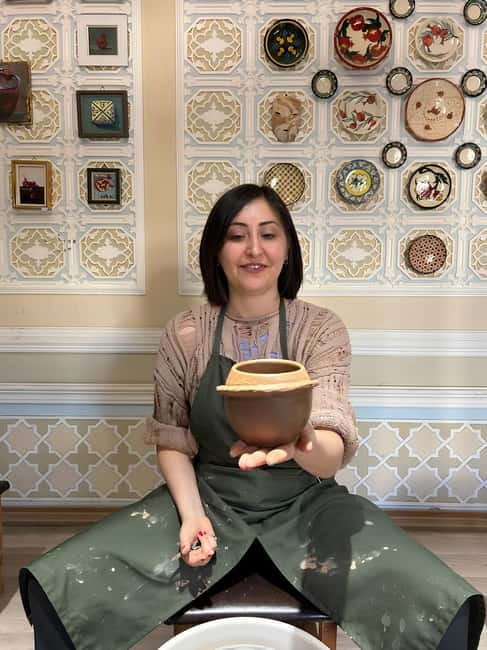
I like this outing because it gives you something to do with your hands, not just something to look at. The combination of Silk Road craft traditions, artisan guidance, shopping help, homemade pottery, and palov makes the afternoon feel connected from beginning to end.
The strongest reasons to book are the guides, the personal setting, and the pottery class. Yusuf and Julia bring warmth to the cultural material, while the master potter lets you try the work without simply producing the piece for you.
Book it if you want an authentic-feeling introduction to Tashkent with a practical souvenir at the end. Just allow time for the pottery to dry and fire, budget for possible shipping or hotel drop-off, and wear comfortable shoes. At $85, it is a good-value choice for a private cultural afternoon, especially early in your Uzbekistan trip.
FAQ
How long does the Tashkent pottery and culture experience last?
The experience lasts 3.5 hours. It includes about one hour of cultural exploration, 1 to 1.5 hours of pottery work, and roughly 45 minutes to one hour for the traditional meal.
What is included in the $85 price?
The price includes transport to the workshop, a guided cultural exploration of Uzbek crafts, the pottery masterclass, materials, guidance from artisan instructors, and a traditional Uzbek lunch.
Is hotel pickup included?
Pickup from Tashkent is provided, and transportation to the workshop is included. Hotel drop-off is not included, but a return can be arranged for an additional fee.
Can I take my pottery home immediately?
No. The piece must dry and be fired in a kiln. The process may take up to a week or around two weeks, so you will need to collect it later or arrange international shipping for an extra fee.
What food is served?
The meal includes non bread, Shakarob salad, Kuzchi Kayfiyat salad, traditional palov with rice, lamb, carrots, and raisins, plus unlimited green tea and water. Additional sides cost extra.
Which languages are available?
The experience is offered in English, Russian, Polish, and Uzbek.
Is the activity suitable for everyone?
It is not suitable for wheelchair users or people with back problems. You should also bring comfortable shoes and a camera. Alcohol and drugs are not allowed.
Just added in Tashkent
- Uzbekistan and Tajikistan 9-Day Tour★ 5.0 · 1 review
- Tashkent International Airport (TAS) to Tashkent – Arrival Private Transfer★ 5.0 · 2 reviews
- Uzbek Brews & Views: Tashkent Craft Beer Discovery Tour★ 5.0 · 2 reviews
- 8-Day Private Tour in Uzbekistan with Pick Up★ 5.0 · 2 reviews
- Uzbekistan Tour – 6 Days 5 Nights★ 5.0 · 4 reviews
- Uzbekistan Private Tour 6 Days★ 5.0 · 1 review
- Tashkent to Tashkent International Airport (TAS) – Departure Private Transfer★ 5.0 · 1 review
- Full Day Private Tour to Fergana Valley from Tashkent★ 5.0 · 1 review
Food and Drink Tours in Tashkent, compared.
Tashkent Walking & Food Tour: Highlights + Local Flavors
Read our review →


Browse the lists this tour appears in