
Review · TASHKENT TOURS
7-Day Uzbekistan with the Local: From Blue Domes to Mountains
Uzbekistan rewards curious eyes. This private seven-day journey links Tashkent, Samarkand, Bukhara, desert country, and the Chimgan Mountains, giving you both the famous Silk Road sights and a taste of daily life beyond the monuments. I like the personal format, especially with local guide and driver Hazratkul Hamroev, who brings more than 30 years of experience to the road.
I also like that the tour includes hotel stays, a yurt camp, meals, transfers, and monument tickets, so you are not constantly reaching for your wallet. The strongest praise centers on Hazrat’s punctuality, careful driving, patience, and ability to adjust to families and special requests. The main concern is the pace: seven days covers a great deal of ground, and several days are packed with long sightseeing blocks and transfers.
- Ancient Silk Road cities: See Registan, Shah-i-Zinda, the Ark of Bukhara, and the Poi Kalyan complex.
- A private group: Only your party participates, which allows more flexibility than a large coach tour.
- Local contact: Hazratkul Hamroev is praised for his care, honesty, driving, and easygoing manner.
- Desert and mountain contrast: Spend time in a yurt camp, then finish among Chimgan, Charvak, and Amirsoy.
- Meals included: Seven breakfasts, seven lunches, and four dinners are part of the package.
- A full itinerary: The price is $1,075 per person, with an average booking lead time of 88 days.
In This Review
- Why This Seven-Day Route Works
- Tashkent Begins With Mosques, Markets, and Modern Fun
- Samarkand Brings the Famous Blue-Tiled Sights
- Gur Emir and Registan Form Samarkand’s Grand Center
- Bukhara Packs Centuries Into One Historic Core
- Bukhara Continues With Madrasahs and a Summer Palace
- Nurata and the Yurt Camp Add Desert Character
- Jizzakh Makes a Short Food Stop
- Chimgan, Charvak, and Amirsoy Finish in the Mountains
- What the $1,075 Price Really Covers
- The Practical Details That Matter Most
- Who Will Like This Uzbekistan Tour
- Should You Book It?
- FAQ
- Where does the tour start and end?
- Is this a private tour?
- What accommodation is included?
- Are meals included?
- Are entrance tickets included?
- Can I cancel for a full refund?
Why This Seven-Day Route Works
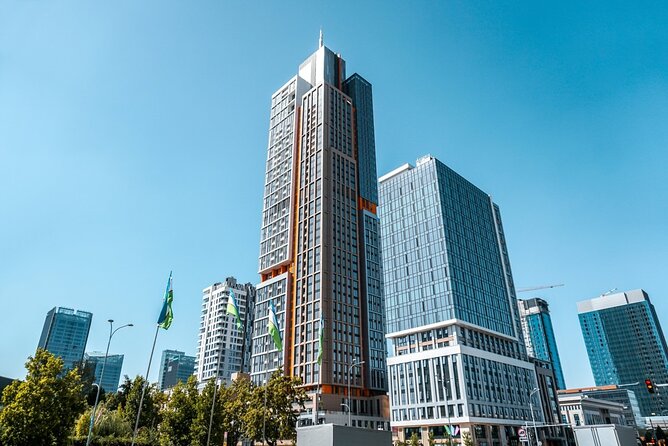
Uzbekistan can feel difficult to plan from abroad. The major cities are spread across the country, transport connections take thought, and each historic center has enough monuments to fill several days. This tour removes much of that planning work by arranging the transfers, entry tickets, lodging, meals, and local support in one package.
I especially like the contrast built into the route. You begin with modern Tashkent and its markets, parks, malls, and amusement attractions. Then the focus shifts to Samarkand’s Timurid monuments, Bukhara’s old city, the desert near Nurata, and finally the mountain resorts outside Tashkent.
The private format matters here. You do not have to wait for a busload of strangers, and a family can ask for help, adjust the rhythm, or make practical requests directly. One family of eight found Hazrat’s vehicle suitable, while a local resident who had spent years abroad also found new places and experiences along the way.
Still, this is not a slow, stay-in-one-place holiday. The schedule includes many two-hour stops, full sightseeing days, and road transfers between major regions. If you prefer lingering over a coffee, taking long museum visits, or spending several nights in each city, you may find the route too quick.
Tashkent Begins With Mosques, Markets, and Modern Fun
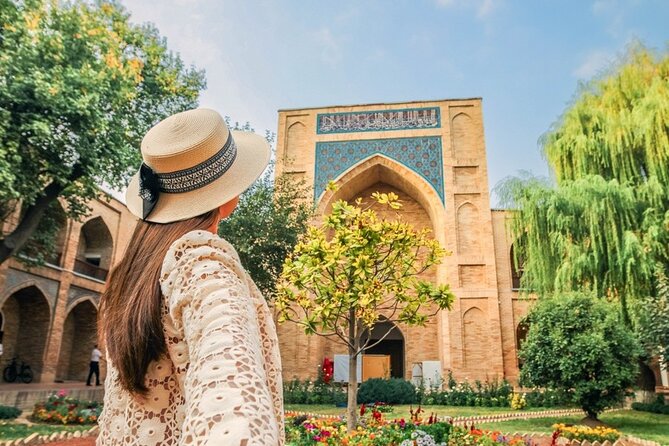
The first day gives you a broad introduction to Uzbekistan’s capital. At the Ensemble Hazrati Imam, you see the Barak Khan Madrasah and Tilla Sheikh Mosque, along with the famous Quran associated with the complex. Two hours gives you time to appreciate the architecture without using the entire day on one site.
Next comes Chorsu Bazaar, where the trip becomes less formal. This is the place for produce, spices, handmade goods, and the everyday energy of Tashkent. Three hours is generous enough for wandering and shopping, though you should remember that souvenirs and personal purchases are not included in the tour price.
The afternoon shifts to modern city life. Tashkent City Park offers greenery, paths, and water features, while Tashkent City Mall provides shopping and entertainment. Magic City adds an amusement-park setting with a fairytale castle, aquarium, and laser cinema.
I see this day as a useful orientation rather than a pure history lesson. You get religious architecture, food culture, public spaces, retail life, and family entertainment in one sweep. For adults focused only on old monuments, the mall and amusement park may feel less essential. For families, they can provide a welcome change after a morning of mosques and market stalls.
A few more options to weigh up in Tashkent
- Best of Tashkent Mountains: Amirsoy, Chimgan & Charvak Trip
★ 4.8 · 567 reviews - Samarkand One Day Tour – Departure From Tashkent
★ 5.0 · 313 reviews - Tashkent City Tour
★ 5.0 · 121 reviews
Samarkand Brings the Famous Blue-Tiled Sights
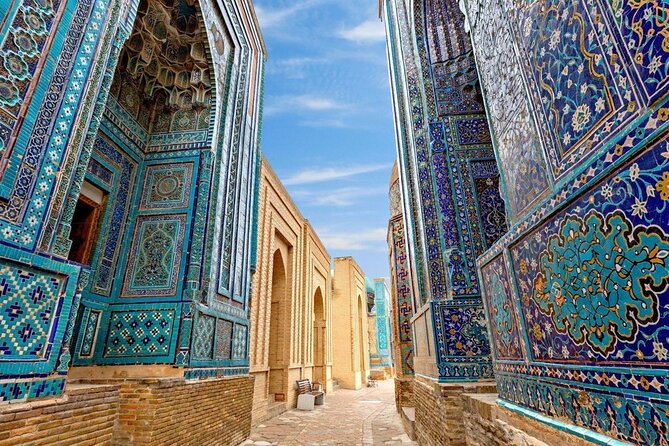
The second day moves into Samarkand, one of the great names of the Silk Road. Shah-i-Zinda is the visual star, a sacred necropolis lined with mausoleums and detailed tilework. Allow yourself time to look closely at the patterns. The beauty is not just in the broad view, but in the repeated blue, turquoise, and white surfaces that change as you walk.
Bibi-Khanym Mosque follows with a grand scale of its own. It was built during Timur’s reign and remains one of the city’s defining monuments. A guide meets you at the entrance and explains the different levels of the site, which is useful when the architecture feels too large to take in at once.
At Hazrat Khizr Mosque, the setting becomes quieter and higher. The restored mosque has detailed decoration and views across the city. It is also associated with Islam Karimov, Uzbekistan’s first president, whose final resting place is here.
Saint Daniel’s Tomb brings a different kind of meaning. The site is surrounded by legends and is respected by people of several faiths. That broad appeal gives the stop more than a standard monument visit. You are seeing how sacred places continue to shape local identity.
This is a demanding day, with four substantial stops. Comfortable walking shoes are sensible, and you should expect time on your feet at historic sites. The reward is a quick but strong introduction to Samarkand’s religious, political, and artistic character.
Gur Emir and Registan Form Samarkand’s Grand Center
Day three stays with Samarkand’s major sights. Gur Emir Mausoleum is the burial place of Timur and members of his dynasty. Its decorated interior and large blue dome make it an important stop before Registan, and the connection between the two sites helps explain the city’s Timurid story.
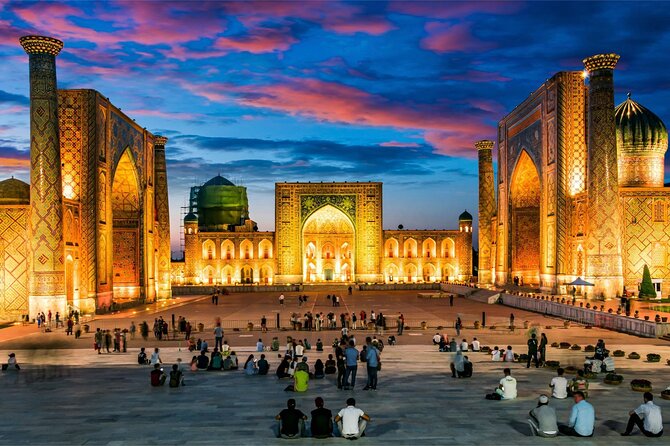
Registan deserves the longest visit of the day, with three hours scheduled. The square is framed by three madrasahs, each with its own facade and decorative details. This is the place where the scale of Samarkand becomes clear. It served as a center of education and public life, and its design remains one of Central Asia’s most memorable urban spaces.
At the Ulugh Beg Observatory, you meet the scientific side of the Timurid period. Ulugh Beg was both ruler and astronomer, and the fifteenth-century observatory is linked to an advanced sextant and serious work in medieval astronomy. The site adds needed variety after several religious buildings.
Finish at Siyob Bozori, Samarkand’s market. Here you can browse produce, spices, and traditional Uzbek goods while seeing how food and trade remain part of the city’s daily rhythm. I like that the market is included after the grand monuments. It gives you a chance to connect the polished historic center with ordinary commerce.
The guide support at the main monuments is valuable. At Registan, Gur Emir, and the observatory, explanations can help you notice details you might otherwise pass without understanding. The schedule is full, but it is arranged around the city’s most important sights.
Bukhara Packs Centuries Into One Historic Core
Bukhara takes over on day four, beginning at the Ark, an ancient fortress that served as a royal residence and military stronghold. Its elevated position provides views over the old city, and the site gives you a sense of power and administration rather than only religious architecture.
The Great Minaret of the Kalon is a landmark of twelfth-century Bukhara. At 47 meters, it is one of the city’s easiest points of reference. The neighboring Poi Kalyan Mosque has a large courtyard and intricate tilework, and the complex remains one of the most impressive places on the route.
Lyab-i-Hauz offers a change of mood. The historic pool, surrounding madrasahs, and teahouse create a calmer public square where you can pause and watch the city move around you. After the monumental scale of the Ark and Kalon complex, this break is welcome.
The Zindan, a prison built in the 1780s and used until 1920, gives the day a darker edge. It once held prisoners of the Emir of Bukhara. The interior is more stark than beautiful, but it helps show that Bukhara was a working political center, not just a collection of photogenic facades.
Five stops in one day is a lot. You will see a remarkable amount, but the experience may feel hurried if you want to study every room. I would treat the schedule as a strong survey and make note of the places you would like to revisit during free time.
A completely different kind of day:
- Amirsoy, Chimgan & Charvak Full-Day Adventure
★ 4.9 · 82 reviews - Shymkent Day Tour from Tashkent
★ 4.6 · 71 reviews - Highlights of Tashkent (old and new part)
★ 5.0 · 60 reviews - 2 Days Tour to Bukhara and Samarkand from Tashkent by train
★ 5.0 · 53 reviews
Bukhara Continues With Madrasahs and a Summer Palace
Day five starts with Mir-i-Arab Madrasa, a sixteenth-century Islamic school known for its tilework and large architectural presence. The visit continues the focus on Bukhara as a center of religious learning.
Magoki Attori Mosque and its Carpet Museum add a layer of age and cultural change. The mosque is considered one of Central Asia’s oldest and includes both Islamic and pre-Islamic influences in its design. The carpet museum gives you a chance to see traditional textile work rather than only stone, brick, and tile.
Chor Minor Madrasah is smaller and more unusual. Its name means Four Minarets, and its compact form makes it feel different from the grand squares and large mosques earlier in the trip. This is one of the stops where unusual design matters more than scale.
Sitori-i-Mokhi Khosa, the summer palace of Bukhara’s last emirs, shows another side of the region’s past. Its design blends Russian and Islamic influences, giving you a visual record of changing tastes and outside connections.
Later in the evening, the route transfers toward Nurata. This is where the tour’s geography becomes important. Bukhara, Nurata, and the Nuratau Mountains are not next-door stops, so you should be ready for road time and a change of setting.
Nurata and the Yurt Camp Add Desert Character
Nurata is a small town in Navoi Region near the Nuratau Mountains. Its role on this journey is to move you away from the major historic cities and toward a more rural part of Uzbekistan.
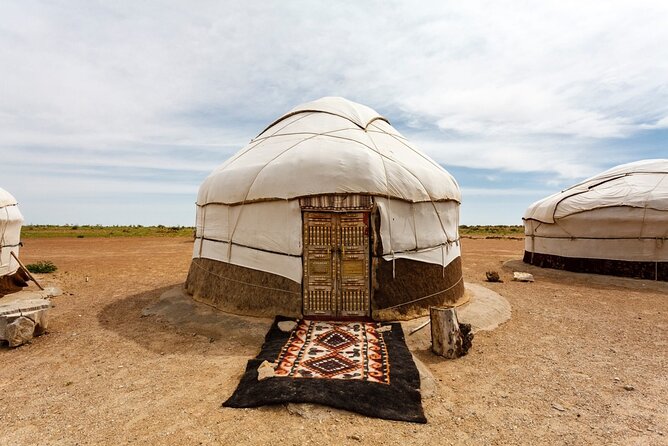
The yurt camp is one of the tour’s most distinctive features. Accommodation in a yurt gives the trip a different rhythm from standard hotels, and the experience is designed around local atmosphere rather than city sightseeing. The tour description also includes folk music by a campfire, a memorable contrast to the domes and courtyards of Samarkand and Bukhara.
The exact yurt location, sleeping arrangements, bathroom setup, and folk-music schedule are not detailed, so I would confirm those points before booking. The same applies to the precise hotel names and how the overnight stays are divided among the cities.
Meals are a practical advantage here. The package includes four dinners, seven lunches, and seven breakfasts, although additional meals are not covered. You should also budget for drinks, personal snacks, alcohol, tobacco, and souvenirs.
Jizzakh Makes a Short Food Stop
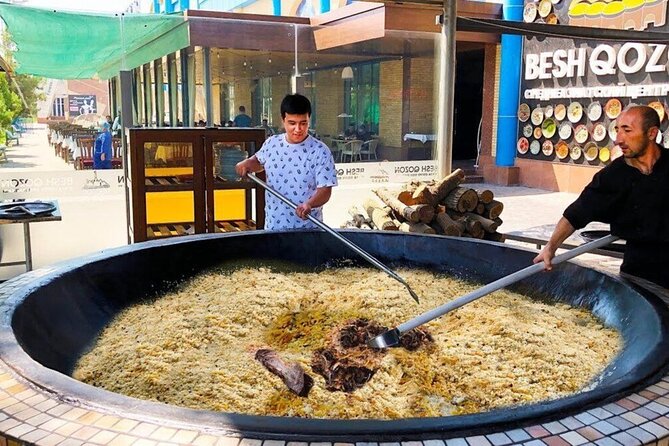
Day six includes a stop in Jizzakh for samsa, a baked pastry commonly associated with Uzbek cuisine. The listed stop is very short, only a couple of minutes, so do not expect a formal food tour or long market visit.
Even a brief food stop can add local character to a long transfer day. The important point is to view Jizzakh as a roadside pause, not a full sightseeing destination within this itinerary. If you have dietary restrictions or want more time for meals, ask how the stop will work before departure.
Chimgan, Charvak, and Amirsoy Finish in the Mountains
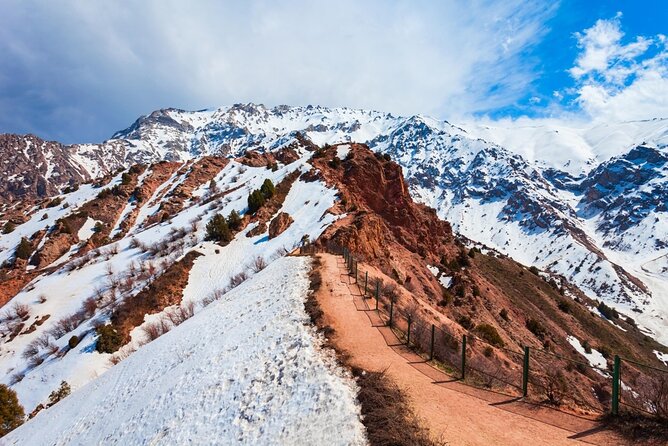
The final day trades old brick and tile for open mountain country. Chimgan is known for hiking, skiing, and paragliding, and the scheduled visit gives you time to enjoy the mountain setting. The experience changes with the season, but the area is presented as a place for outdoor activities and broad views.
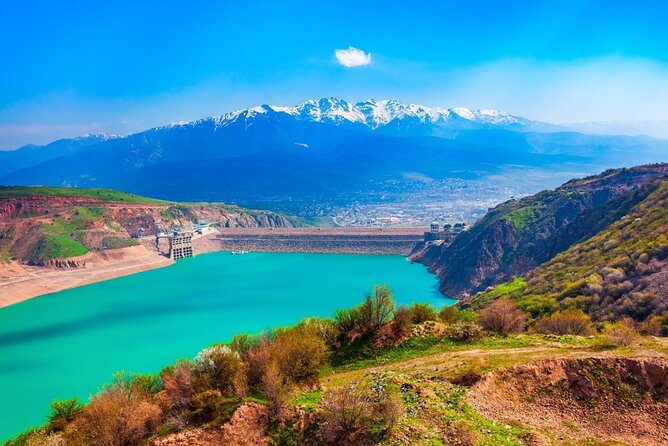
Charvak Reservoir follows with two hours beside turquoise water surrounded by mountain scenery. Swimming, boating, and relaxing are possible activities, but the package does not include boat trips or other extra entertainment. You will need to pay separately for activities such as camel rides, boating, skating, or skiing.
Amirsoy is Uzbekistan’s main all-season mountain resort. In winter, it offers 11 ski slopes. In warmer months, it provides other mountain activities. Three hours here lets you see the resort and choose whether to spend extra on a particular activity, though the tour price includes the entrance listed for the stop, not every optional experience.
This finale is one of the route’s best planning choices. After several days of monuments and city streets, the mountain air gives you a physical change of pace. The drawback is timing: since the tour ends back in Tashkent, the final day combines three destinations and may include significant driving.
What the $1,075 Price Really Covers
At $1,075 per person, the tour is not simply a sightseeing package. You are paying for a private vehicle and route transfers, six nights of hotel accommodation, a yurt camp, entrance tickets, seven breakfasts, seven lunches, four dinners, and local assistance across several regions.
That can represent solid value if you would otherwise need to arrange separate drivers, intercity transport, guides, admission tickets, and lodging. The private format is especially useful for families or small groups who would rather not coordinate every move themselves.
The value is less clear if you plan to travel slowly, use inexpensive public transport, or choose only a few monuments. Optional activities are extra, and international flights are not included. Tips for the driver, guides, and other services are also outside the price, though the tour information describes tipping as uncommon.
The average booking lead time is 88 days. That suggests you should plan ahead, especially if your dates depend on a particular season in the mountains or a specific yurt-camp arrangement.
The Practical Details That Matter Most
Pickup is offered from a hotel in Tashkent, and the stated start time is 8:00 a.m. The tour ends back at the meeting point. Confirmation is provided at booking, and the activity is near public transportation.
This is a private tour, so only your group takes part. Most people can participate, but the itinerary includes repeated walking, historic sites, city markets, and outdoor mountain areas. You should be comfortable with full sightseeing days and changing environments.
I would ask the provider these questions before paying:
- Which nights are spent in Tashkent, Samarkand, Bukhara, and the yurt camp?
- How long are the road transfers between cities?
- What type of vehicle is used for your group?
- What facilities are available at the yurt camp?
- Which mountain activities are included, and which require separate payment?
- How much free time is available in each city?
Free cancellation is available if you cancel at least 24 hours before the local start time. Changes inside that window are not accepted, and poor weather can lead to a different date or a full refund.
Who Will Like This Uzbekistan Tour
I would recommend this route to you if you want the major Uzbek monuments without arranging a complicated series of transfers yourself. It suits families, couples, and small groups who value a private vehicle and direct help from a local host.
It is also a good fit if you want more than the usual city circuit. The yurt camp, Nurata, Jizzakh food stop, and mountain finale keep the trip from becoming a parade of mosques and madrasahs.
You may want another plan if your priority is slow travel. The schedule is ambitious, and some stops are allotted two hours even when the sites could hold your attention longer. Independent visitors who enjoy choosing their own restaurants, shopping times, and museum hours may find the fixed route restrictive.
The strongest reason to choose it is Hazratkul Hamroev. His reported strengths are practical: punctuality, honest help, calm driving, flexibility, and care for families. Those qualities matter greatly on a seven-day route with long distances and many moving parts.
Should You Book It?
Book this tour if you want Uzbekistan’s essential historic cities, a yurt-camp stay, and mountain scenery in one organized private trip. At $1,075 per person, the included lodging, meals, tickets, transfers, and personal service make the price reasonable for a small group that values convenience.
Before booking, confirm the overnight schedule, transfer times, and yurt facilities. If you accept the brisk pace, this is an unusually broad introduction to Uzbekistan, with enough local contact to keep the journey from feeling like a simple monument checklist.
FAQ
Where does the tour start and end?
The tour starts at a hotel in Tashkent at 8:00 a.m. It ends back at the meeting point in Tashkent.
Is this a private tour?
Yes. Only your group participates in the activity.
What accommodation is included?
The package includes hotel accommodation for seven days and six nights, along with a stay at a yurt camp.
Are meals included?
Yes. Seven breakfasts, seven lunches, and four dinners are included. Additional meals, alcoholic drinks, and tobacco products are not included.
Are entrance tickets included?
Entrance tickets to the monuments listed in the tour are included. Extra entertainment, including camel rides, boating, skating, and skiing, is not included.
Can I cancel for a full refund?
Yes, if you cancel at least 24 hours before the experience’s start time. Cancellations made less than 24 hours in advance are not refunded.
Just added in Tashkent
- Uzbekistan and Tajikistan 9-Day Tour★ 5.0 · 1 review
- Tashkent International Airport (TAS) to Tashkent – Arrival Private Transfer★ 5.0 · 2 reviews
- Uzbek Brews & Views: Tashkent Craft Beer Discovery Tour★ 5.0 · 2 reviews
- 8-Day Private Tour in Uzbekistan with Pick Up★ 5.0 · 2 reviews
- Uzbekistan Tour – 6 Days 5 Nights★ 5.0 · 4 reviews
- Uzbekistan Private Tour 6 Days★ 5.0 · 1 review
- Tashkent to Tashkent International Airport (TAS) – Departure Private Transfer★ 5.0 · 1 review
- Full Day Private Tour to Fergana Valley from Tashkent★ 5.0 · 1 review
Tashkent Tours, compared.
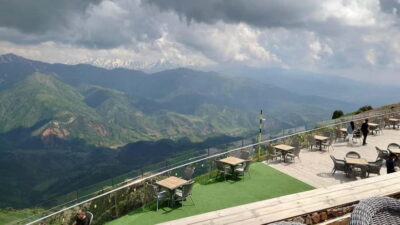
Best of Tashkent Mountains: Amirsoy, Chimgan & Charvak Trip
Read our review →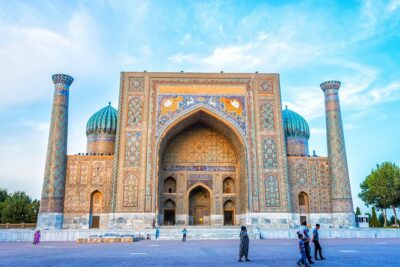
Samarkand One Day Tour – Departure From Tashkent
Read our review →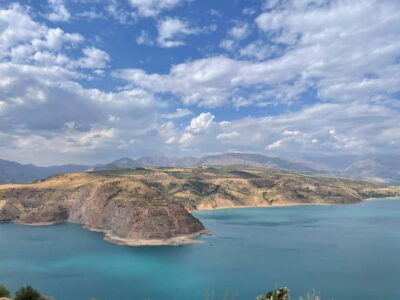
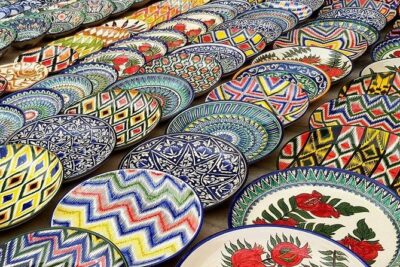
2 Days Tour to Bukhara and Samarkand from Tashkent by train
Read our review →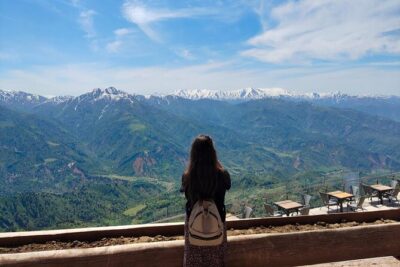
Uzbekistan 6 days private tour Tas-Khiva-Buk-Sam-Tas
Read our review →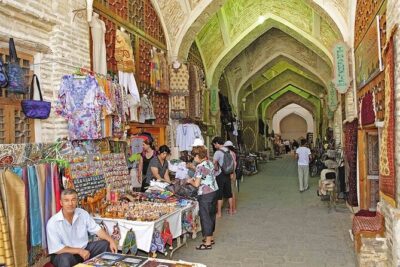
Uzbekistan 8 Days Private Tour Tashkent-Urgench-Bukhara-Samarkand-Tashkent
Read our review →Browse the lists this tour appears in