
Review · COOKING CLASSES IN SAMARKAND
Cooking Class in the Village with Local Family in Samarkand
Fresh food opens doors. This five-hour Samarkand outing pairs a local bazaar visit with hands-on cooking in a village family home, making it a fine choice if you want more than monuments and photo stops. I especially like the market visit, where you can see the ingredients before they reach the cooking pot, and the private family setting, where food leads naturally to talk about Uzbek customs and daily life. The main consideration is that the cooking can be fairly gentle rather than fully hands-on, so ask to roll dough, stir, chop, or help with each step if you want more work.
The $65 price is reasonable for private hotel pickup, transport, a market visit, a family meal, and several cultural stops. Start times are flexible, and vegetarian requests have been handled successfully. Still, the schedule covers a lot in about five hours, so you should expect a broad cultural visit rather than a long, technical cooking course.
In This Review
- Key points at a glance
- Why this village cooking class works so well
- Starting at the Samarkand bazaar
- Cooking Uzbek dishes with a local family
- The family table and everyday conversation
- Konigil paper, oil, and pottery stops
- Timing, transport, and group size
- Is $65 a fair price?
- Who should book this Samarkand experience?
- How to get the most from the five hours
- Should you book it?
- FAQ
- How long does the cooking experience last?
- What is the price per person?
- Is hotel pickup included?
- Is the start time fixed?
- Is this a private tour?
- Which dishes might I prepare?
- Can vegetarians join?
- Can I visit the Konigil paper factory?
- What other stops may be included?
- What is the cancellation policy?
Key points at a glance
- Begin at a real Samarkand bazaar: Shop for fresh ingredients, watch local trade, and try unfamiliar foods with help from your host.
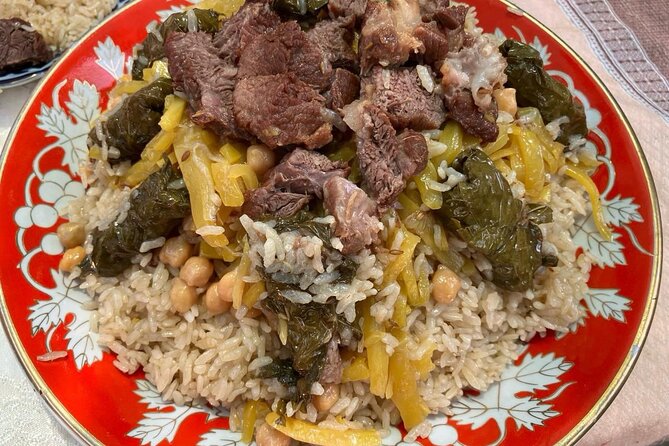
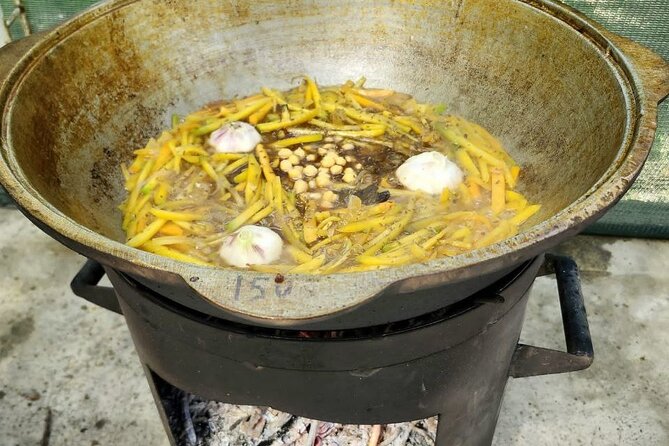
- Cook in a village family home: Prepare Uzbek favorites such as plov, manti, dolma, samsa, or shashlik, depending on the day and the family.
- Learn beside the people who make the food: Family members may join the meal, conversation, and even a game of chess.
- Add paper, oil, and pottery traditions: The route can include the Konigil paper factory, an oil meal stop, and a pottery workshop.
- Private and flexible: Only your group participates, with hotel pickup and a start time arranged around your plans.
- Plan for participation: The experience may feel slow and social, so speak up if you want to roll dough or take on more kitchen tasks.
Why this village cooking class works so well
Samarkand is famous for grand Islamic architecture, but a city can remain distant if you only move between tiled courtyards and guidebook sights. This experience shifts the focus to food, homes, markets, and ordinary family life. You see where ingredients are bought, how dishes are prepared, and how a meal becomes a social event.
I like that the outing begins before the cooking. Uzbek food makes more sense when you have seen the onions, carrots, rice, meat, herbs, and pastries at the market. You are not simply handed a finished plate. You get some context for the ingredients and the work behind it.
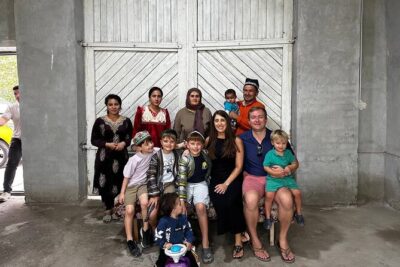
The family setting is the other strong point. Hosts named in the feedback include Goli, Navuq, Gulrux, Navro’z, and Narboz, so the exact person welcoming you may vary. That is worth knowing, but the pattern is clear: the family interaction is central to the experience, not a quick staged greeting before lunch.
You might talk about food, family routines, Uzbek traditions, and life around Samarkand. One host, Gulrux, was praised for explaining plov step by step and speaking very good English. Another family made a point of adapting the menu for vegetarian diners. These details matter because the quality of a home-based tour depends as much on conversation and patience as on the recipe.
More Cooking Classes in Samarkand
- Samarkand: Village Tour with Plov Cooking Class & Home Visit
★ 5.0 · 29 reviews - Samarkand: Uzbek Cooking Class in a Village Home
★ 5.0 · 22 reviews - Cooking class in Samarkand with local life experience
★ 5.0 · 19 reviews
Starting at the Samarkand bazaar
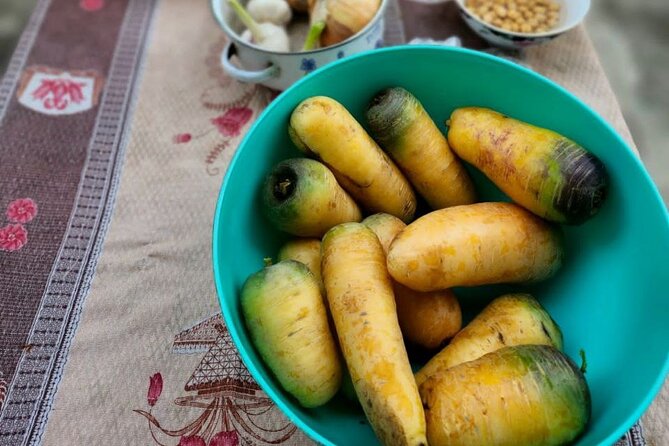
Your host picks you up from your hotel and takes you to a local market. The exact bazaar is not identified, so do not expect a fixed list of stalls or a formal market lesson. Think of this as a guided walk through the food-shopping part of the day.
Markets are a smart opening for a cooking experience. You can see the raw materials in their everyday setting, watch vendors weighing and arranging goods, and ask questions while your host chooses ingredients. If you are unsure about trying something new, your guide can help you understand what you are buying.
The market also gives you a chance to settle into the pace of Samarkand. This is not a rushed museum circuit. You may stop to look, taste, chat, and compare unfamiliar products. Some people will love this relaxed approach. If you prefer a tightly timed tour with a detailed lecture at every stop, the loose format may feel less structured.
Vegetarian diners should tell the provider when booking and remind the host at the start. The food plan has been adjusted for vegetarian preferences, which is encouraging, but the available dishes can depend on the family and the day. The same advice applies to allergies or other restrictions, although the supplied details only specifically confirm vegetarian requests.
Cooking Uzbek dishes with a local family
After the market, you drive to a village and cook traditional food in a family home. The menu can include plov, shashlik, samsa, manti, and dolma. You should not assume every dish will appear in one session, since the cooking plan may change according to the family, ingredients, and your requests.
Plov is the natural centerpiece. This rice dish is more than a basic pilaf. It requires attention to the order of ingredients and the cooking of the rice, meat, onions, and carrots. A patient host can show you why each stage matters, rather than reducing the dish to a list of measurements.
Gulrux received particular praise for teaching plov step by step. That kind of instruction suits you if you want to understand the method and recreate the dish later. It also means the session may take its time. One useful piece of advice from the experience is to ask for a specific task if you are standing idle. You may be able to stir, prepare ingredients, roll dough, or help shape pastries.
Samsa gives the class a different rhythm. These savory pastries involve dough and filling, while manti and dolma add more shaping and assembly. Shashlik connects the meal to grilled meat traditions. The supplied information does not promise that you will cook every item, so consider the list a guide to possible dishes rather than a guaranteed menu.
One small drawback is that participation may not be constant. A visitor enjoyed the slow pace but wished for more chances to collect firewood or roll dough. That is useful advice. If you want a practical workshop, say so early and politely. Hosts may naturally take over complicated or time-sensitive steps, especially when preparing a meal for the whole group.
The family table and everyday conversation
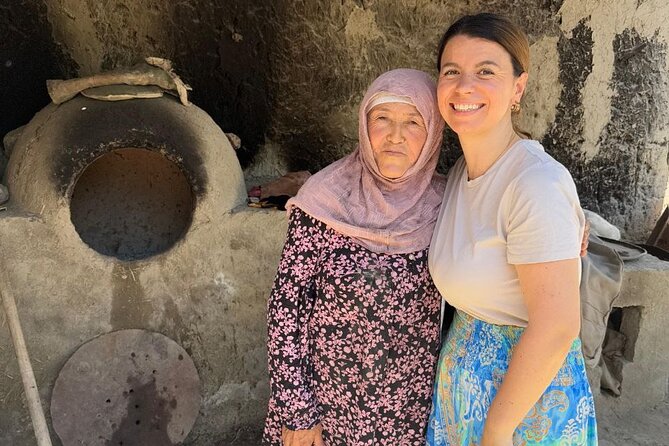
The best part may come after the cooking. Sitting down with the family gives you time to ask about customs, routines, food, and the local area. You may share stories, laugh together, or play chess. These simple exchanges often reveal more than a formal cultural talk.
I would approach this as a social visit with cooking included, not as a professional culinary school. The family may explain techniques in English, but the depth of instruction can vary. Some hosts are especially strong teachers, while others may focus more on hospitality and conversation.
That difference is not a flaw, but it affects who should book. You will probably enjoy the outing most if you like learning through people and observation. Families, couples, and small groups who want a personal activity in Samarkand should find the private format comfortable. Children may also appreciate the market, dough, food, and informal setting, although the available information does not give a minimum age.
The private arrangement is a real advantage. Only your group participates, so you can ask questions without holding up a large class. You also have more room to explain dietary needs, request extra kitchen tasks, or spend a little longer on a topic that interests you.
A completely different kind of day:
- Samarkand: Historical Monuments Guided Walking Tour
★ 4.8 · 446 reviews - Private Samarkand City Tour With Transportation
★ 5.0 · 149 reviews - A City Tour Of Samarkand: The Pearl Of The East
★ 5.0 · 133 reviews - Full Day Private Tour in Seven Lakes from Samarkand
★ 5.0 · 94 reviews
Konigil paper, oil, and pottery stops
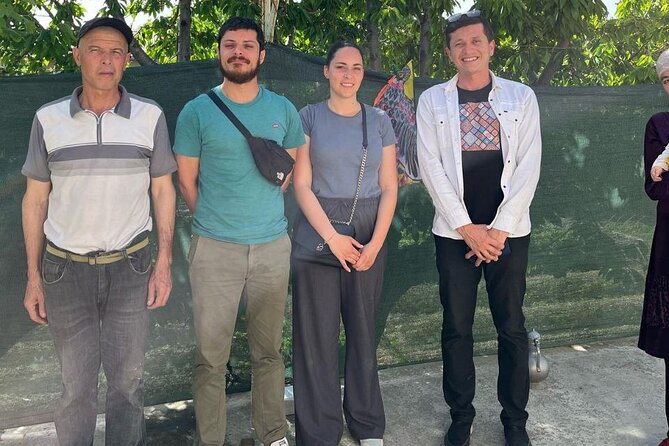
The day can include more than food. The route lists the Konigil paper factory, an oil meal stop, and a pottery workshop. These additions broaden the outing from a cooking lesson into a village craft and production visit.
Konigil is associated with traditional paper making, giving you a look at a craft that uses plant material and careful manual work. The supplied details do not specify the exact demonstration or how long you stay, so keep your expectations flexible. It may be a brief stop rather than a full workshop.
The oil meal and pottery visits add another practical layer. Instead of only hearing about Uzbek culture, you see how local goods are made or handled. Pottery connects especially well with the food theme, since dishes and serving pieces are part of how a meal feels.
There is a tradeoff. A five-hour tour cannot offer a long cooking lesson, an extended bazaar visit, and detailed demonstrations at three separate craft stops. If your priority is food, tell the host that you would rather spend extra time cooking. If you want a wider look at village life, the added stops make the price more appealing.
Timing, transport, and group size
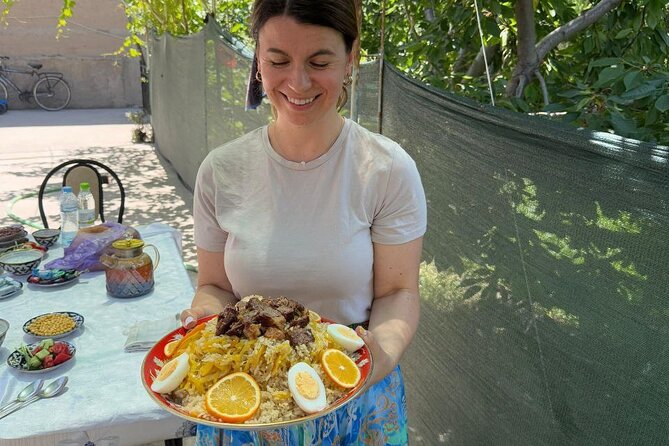
The experience lasts about five hours, including pickup, the market, the village drive, cooking, and the extra cultural stops. The starting time is flexible, which is useful if you have a morning train, a late arrival, or another Samarkand visit planned around the same day.
The listed operating hours run from 9:00 AM to 10:00 PM daily, for dates from August 2, 2025 through November 25, 2026. Since the cooking itself follows a household schedule, confirm the pickup time when you book rather than relying only on the broad opening hours.
Hotel pickup is offered, and the activity has a mobile ticket. The listing also notes access near public transportation and permits service animals. Because transport to the village is part of the experience, pickup saves you the trouble of arranging a separate taxi and helps keep the day together.
A private tour is particularly useful here. Market visits and home cooking work better when the group is small enough to move at a family pace. You are not waiting for a coach full of people to finish shopping or squeezing around a single kitchen counter.
Is $65 a fair price?
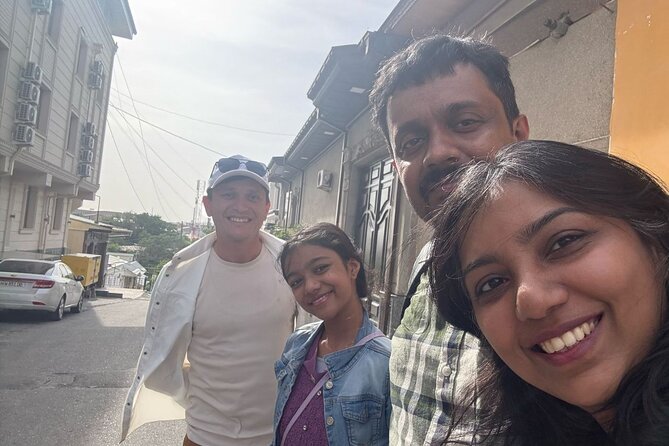
At $65 per person, I see good value if you want a half-day private outing with several parts. The price covers hotel pickup, transport, a guided market visit, family cooking, food, and possible visits connected with paper, oil, and pottery. Comparable value is difficult to judge without knowing the cost of each separate activity, but this is not just a restaurant meal with a short demonstration.
The strongest value comes from the access to a family home. You are paying for time, transport, hosting, and the chance to ask questions in a setting that a standard city tour cannot provide. The market also makes the meal feel connected to the place rather than prepackaged.
The value is lower if you want a precise recipe class with constant hands-on work. In that case, the slow and social style may leave you wishing for more instruction. Speak up about your priorities before the cooking begins, and ask whether you can help with dough, firewood, chopping, or stirring.
The experience is commonly booked about nine days ahead. That suggests you should not leave it until the night before, especially if you have only a short stay in Samarkand and need a particular date or dietary arrangement.
Who should book this Samarkand experience?
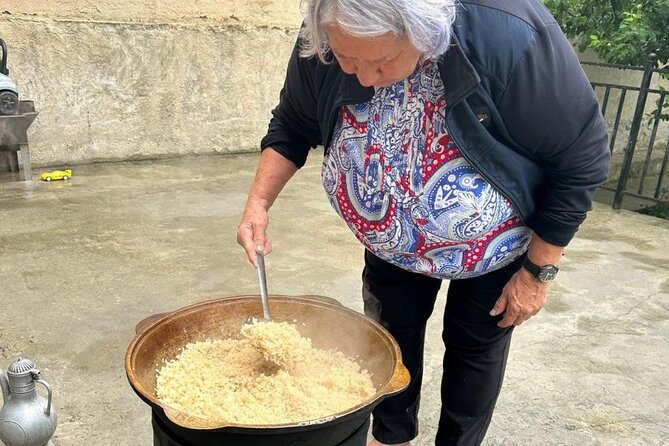
I would recommend it to you if you want to connect food with daily life. It suits people who enjoy markets, home meals, cultural conversation, and flexible schedules. It is also a good choice after visiting Samarkand’s major sights, when you want an activity that feels less formal.
Vegetarians should consider it, since the host team has accommodated vegetarian meals. Still, state your needs clearly in advance. The same goes for anyone who wants to avoid certain meats or ingredients.
You may want another type of class if your main goal is professional technique, exact recipes, or a carefully timed sequence of dishes. The information points to a welcoming family experience first, with cooking as its center, rather than a commercial training kitchen.
I also like this for repeat visitors. If you have already seen the Registan and other headline sights, the market and village setting offer a different view of Samarkand. You will not simply collect another photograph. You will spend time around food, family, and local work.
How to get the most from the five hours
Tell the host what interests you before pickup. Mention vegetarian needs, ask which dishes are planned, and say if you want to do as much of the preparation as possible.
At the market, ask your guide to identify the ingredients that will appear later. This links the first part of the day to the family kitchen and gives you better questions to ask once cooking starts.
Bring a phone with enough battery for photos and the mobile ticket, but do not let photography replace conversation. A family home is not a stage set, and a little courtesy goes a long way.
Keep your schedule open after the activity if possible. The start time is flexible, and a five-hour estimate can feel different depending on the market pace, cooking work, and craft stops. Avoid placing a tight appointment immediately afterward.
The cancellation policy is friendly if your plans change: cancel at least 24 hours before the local start time for a full refund. Changes or cancellations inside 24 hours are not refunded.
Should you book it?
Book this tour if you want a private, human-scale look at Samarkand through its food. The bazaar, village home, family meal, and craft stops give you a useful mix, while the flexible timing and hotel pickup keep the day simple.
Do not book it expecting five uninterrupted hours of knife work and recipe drills. You may spend as much time talking, watching, eating, and visiting local production sites as cooking. For me, that is the point: you leave with a better feel for how food fits into Uzbek family life, not just a list of dishes.
FAQ
How long does the cooking experience last?
The full experience lasts about five hours, including hotel pickup, the market visit, travel to the village, cooking, and the additional cultural stops.
What is the price per person?
The listed price is $65 per person.
Is hotel pickup included?
Yes. Pickup from your hotel is offered.
Is the start time fixed?
No. The starting time is described as flexible, but you should arrange the exact time with the provider.
Is this a private tour?
Yes. Only your group participates in the activity.
Which dishes might I prepare?
Possible dishes include plov, shashlik, samsa, manti, and dolma. The exact menu can vary.
Can vegetarians join?
Yes. Vegetarian meals have been accommodated, but you should state your preference when arranging the experience.
Can I visit the Konigil paper factory?
The experience includes the Konigil paper factory among its listed cultural stops. The exact length and format of that visit are not specified.
What other stops may be included?
The program also lists an oil meal stop and a pottery workshop.
What is the cancellation policy?
You can cancel at least 24 hours before the start time for a full refund. Cancellations or changes made less than 24 hours before the start time are not refunded.
More Craft Workshops in Samarkand
- Private Samarkand Cooking Class with Market Tour & Transfers
★ 5.0 · 14 reviews - Samarkand Local Family Cooking Class and Siyob Bazaar Tour
★ 5.0 · 5 reviews - Plov Cooking Class at Local Uzbek House
★ 5.0 · 5 reviews - Samarkand: Cooking class with local family
★ 5.0 · 3 reviews
Just added in Samarkand
- Wine tour in Samarkand (Baguizagan) English★ 5.0 · 2 reviews
- Uzbek wedding ceremony★ 5.0 · 2 reviews
- The Golden City of Samarkand: A Self-Guided Audio Tour★ 4.0 · 4 reviews
- Samarkand Capital of Amir Timur Private Tour with Transport★ 5.0 · 3 reviews
- Seven Lakes Panjakent: One-Day Adventure from Samarkand★ 5.0 · 3 reviews
- Shakhrisabz Private Day Tour from Samarkand★ 5.0 · 4 reviews
- Tadjikistan 7 Lakes Day Trip from Samarkand with Lunch★ 5.0 · 5 reviews
- “Hidden Paradise: Seven Lakes & Voru Village in 2 Days”★ 5.0 · 2 reviews
Cooking Classes in Samarkand, compared.
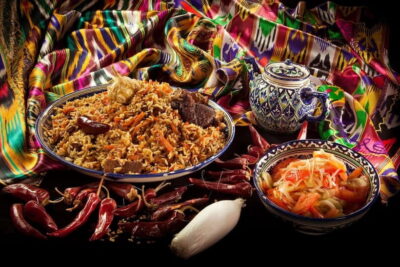
Village Tour with Plov Cooking Class & Home Visit
Read our review →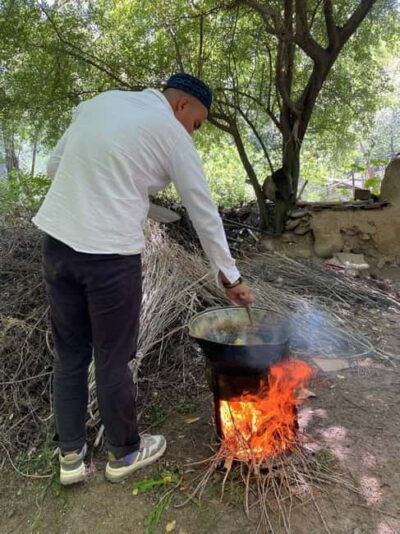
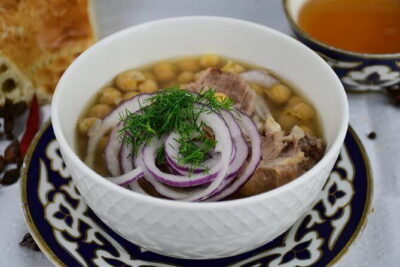
Cooking class in Samarkand with local life experience
Read our review →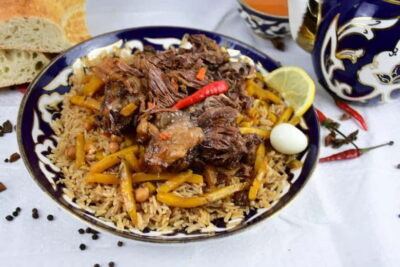
cooking traditional food in Samarkand with local people
Read our review →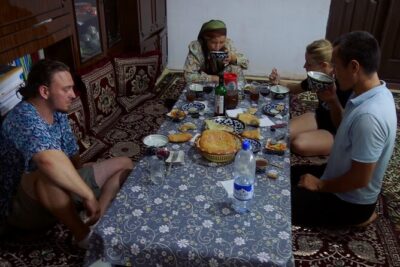
Private Samarkand Cooking Class with Market Tour & Transfers
Read our review →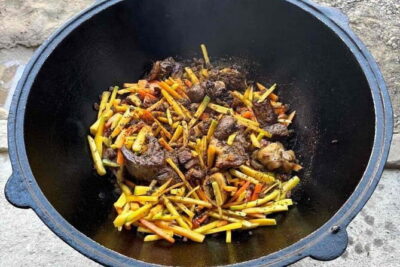
Samarkand Local Family Cooking Class and Siyob Bazaar Tour
Read our review →
Browse the lists this tour appears in