
Review · COOKING CLASSES IN SAMARKAND
Samarkand: Village Tour with Plov Cooking Class & Home Visit
Leave Samarkand’s monuments behind for a while. This eight-hour village experience takes you into the Samarqand Region for a market visit, a family home meal, and hands-on preparation of plov, Uzbekistan’s great shared dish. I like the chance to see rural life through local people rather than through a museum display, and I especially like that you help prepare the food instead of simply watching it arrive.
I also like the relaxed pace. Guides such as Asrorbek, Javokhir, Jahovir, and Bekjon have been praised for being friendly, funny, responsive, and comfortable in English. The main consideration is that this is not an action-packed day: expect long periods of cooking, eating, talking, and sitting, plus walking on uneven village surfaces.
In This Review
- Key points to know before booking
- Why this day adds something different to Samarkand
- The drive from Samarkand to village life
- A village market before the cooking begins
- Entering the family home
- Learning the proper way to make Samarkand plov
- Time around the table
- The optional music performance
- What the $59 price really buys
- Who should book this experience
- Should you book the Samarkand village tour?
- FAQ
- How long does the village and plov experience last?
- Is transportation from Samarkand included?
- Where does pickup take place?
- What food will I prepare?
- Is the tour conducted in English?
- Is the folk music performance guaranteed?
- Is the experience suitable for wheelchair users?
Key points to know before booking
- Plov is cooked the traditional way: You may help prepare osh over a live fire, along with non bread and fresh salads.
- The family visit is the heart of the day: You sit around a local table, exchange stories, and learn about rural customs and daily routines.
- The village is about 40 to 60 minutes from Samarkand: The drive gives you a useful look at life outside the city.
- The market stop adds real context: Ingredients and snacks are bought locally before you reach the family home.
- The pace is slow and social: This suits anyone who wants conversation and cultural contact more than a packed sightseeing schedule.
- Check the transport and mobility details: Pickup is offered, but the information also says transportation to the village is not included, and the activity is listed as unsuitable for people with mobility impairments.
Why this day adds something different to Samarkand
Samarkand is famous for grand architecture: blue-tiled mosques, monumental squares, and the Registan. Those sights are essential, but they can leave you seeing Uzbekistan mainly as a country of historic buildings. This outing gives you another piece of the picture.
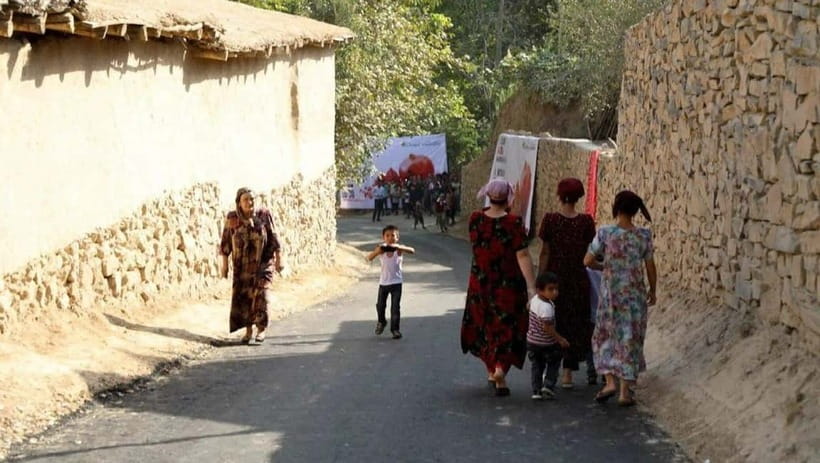
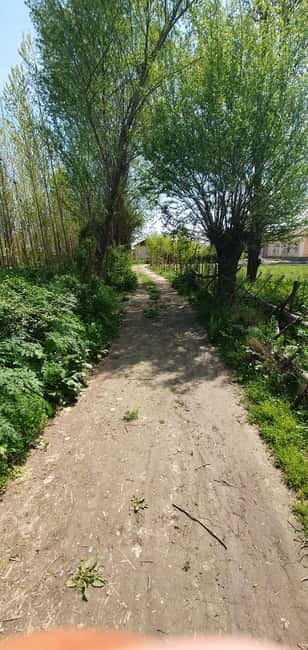
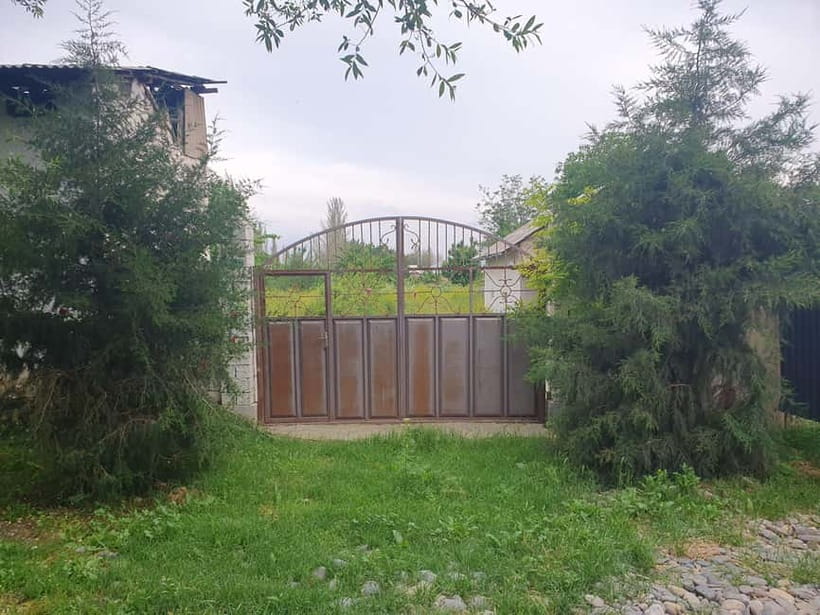
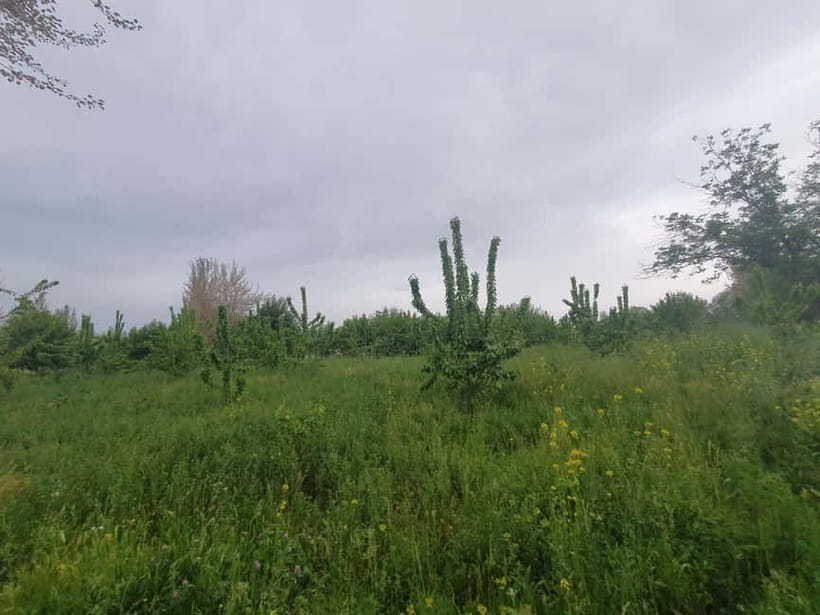
You spend time in a village where homes, gardens, farmland, livestock, cooking, and family life matter more than polished attractions. The guide explains local architecture, village customs, agriculture, and the history of the area. You might see cotton fields, mountain views, traditional houses, or people carrying out ordinary work.
The value is not in checking off another monument. It is in the access. A home visit is difficult to arrange on your own, especially when you do not speak Uzbek or Russian. Here, a guide creates the introduction and helps both sides understand one another.
I also appreciate that the family meal is not treated as a quick photo stop. You have time to sit, talk, cook, and eat together. One particularly memorable detail from the day can be the informal exchange between cultures. Guides have explained differences between Uzbek and European family life, while hosts have shared their own routines and traditions.
More Cooking Classes in Samarkand
- Samarkand: Uzbek Cooking Class in a Village Home
★ 5.0 · 22 reviews - Cooking class in Samarkand with local life experience
★ 5.0 · 19 reviews - cooking traditional food in Samarkand with local people
★ 4.8 · 17 reviews
The drive from Samarkand to village life
Pickup is offered from your Samarkand hotel, and the rural village is generally reached after roughly 40 to 60 minutes on the road. The exact timing will depend on the village, traffic, and stops, but you should expect a substantial part of the day to include driving.
That is not wasted time. The route helps you watch the city thin out and rural Uzbekistan take over. You see people going about daily life, and your guide can explain what you are seeing along the way. The drive also gives the day a useful sense of transition. You are not simply being taken to a staged cooking venue a few streets from Samarkand.
Group size matters here. For a small booking, pickup may be directly at your hotel. If more than five people are joining, the operator says you may be asked to meet at a designated point instead. Confirm this after booking, since the transport wording is not perfectly clear.
The details also contain a practical inconsistency. Transportation to the village is listed as included, while another section says it is not included. Since hotel pickup is separately promised, I would confirm exactly what the $59 covers before you pay, especially if you are booking for a larger group.
A village market before the cooking begins
A stop at a local bazaar may be part of the route before reaching the family home. Here, the ingredients for the meal and some snacks are purchased. This small step makes the cooking class feel connected to local life rather than separated from it.
The market stop is brief in the formal schedule, listed at about seven minutes, so do not expect a long shopping tour. Still, it gives you a quick look at how food for the meal is selected and bought. Depending on the day, the guide may point out ingredients, introduce you to local produce, or pick up something to eat on the road.
This is also a good moment to ask questions. If you want to understand what goes into plov, ask your guide to identify the rice, carrots, onions, meat, and seasonings. The exact menu can vary, but the central idea is clear: the dish begins with ordinary market ingredients and becomes special through method, timing, and patience.
Entering the family home
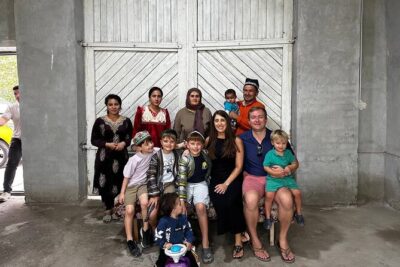
The home visit is the emotional center of the experience. You are welcomed by a local family and invited to take part in a meal that is prepared in their own setting. Several accounts describe warm hosts, including Oysara and an older woman affectionately described as a grandmother, who taught visitors how to make plov and bread.
Do not expect the formality of a restaurant cooking class. The setting is personal. You may begin with snacks, tea, or conversation before the main preparation starts. The family shares customs, household routines, and stories, while your guide explains points that may be unfamiliar.
This is where a good guide makes a real difference. Asrorbek has been praised for being helpful and kind. Javokhir has been described as a natural host who keeps conversation moving and answers questions. Eshkuvatov has helped explain village history and made a solo visitor feel more at ease. Your guide will vary, but English-language support is part of the experience.
Cultural visits require basic courtesy. Dress comfortably and respectfully, follow your host’s lead, and ask before photographing people or private areas of the home. Smoking indoors is not allowed, and alcohol and drugs are prohibited. One account mentions beer being purchased along the way, but the formal rules say no alcohol and drugs, so do not assume alcohol is part of the tour or welcome inside the home.
A completely different kind of day:
- Samarkand: Historical Monuments Guided Walking Tour
★ 4.8 · 446 reviews - Private Samarkand City Tour With Transportation
★ 5.0 · 149 reviews - A City Tour Of Samarkand: The Pearl Of The East
★ 5.0 · 133 reviews - Full Day Private Tour in Seven Lakes from Samarkand
★ 5.0 · 94 reviews
Learning the proper way to make Samarkand plov
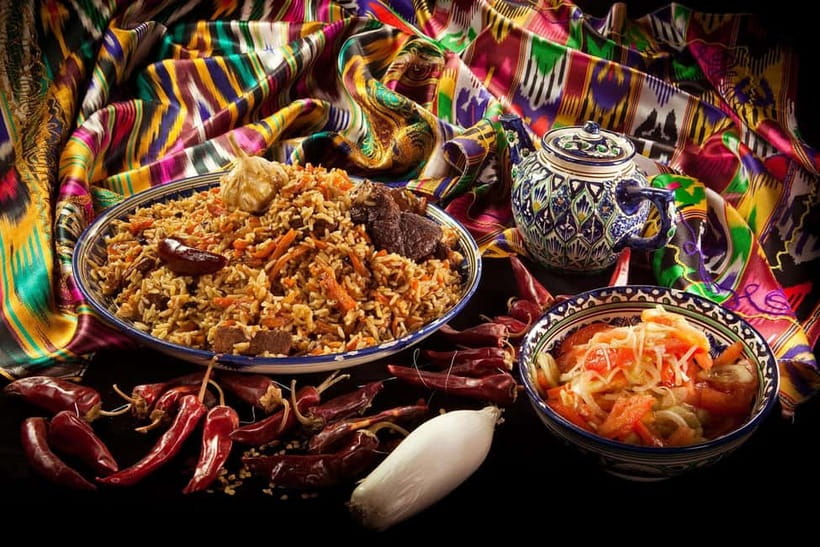
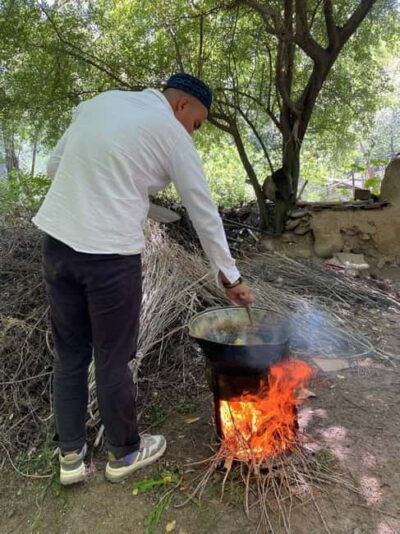
Plov, also called osh, is more than lunch in Uzbekistan. It is a social dish associated with family gatherings, celebrations, and hospitality. Watching it cook tells you something about Uzbek culture because the process rewards care, timing, and feeding a group.
The cooking may take place over a live fire in a barn or outdoor area. That detail matters. You are seeing a traditional method rather than a simplified demonstration on a modern kitchen stove. You may help with preparation, observe how the ingredients are layered, and learn the techniques handed down through the family.
The class also includes other staples. You may bake non, the round Uzbek bread, and prepare salads to accompany the rice. The bread-making gives the day a second practical activity, while the salad adds freshness to a generous meal.
Do not expect a tightly scripted class with printed recipes and individual workstations. The emphasis is on watching, helping, asking questions, and eating together. If you want to remember the recipe, take notes or ask your guide to repeat the key steps. The phrase secret recipe is used loosely here. The real lesson is often the cooking rhythm and local technique rather than one mysterious ingredient.
The final dish is generally served in a communal setting. Portions have been described as generous, so arrive hungry. Sharing food around a family table, with conversation continuing long after the cooking ends, is one of the strongest reasons to choose this activity.
Time around the table
The meal may take several hours when you include eating, conversation, and cultural exchange. That can sound like a lot, but it is exactly what makes the experience different from a standard day trip.
I like that you are not rushed out immediately after lunch. You have time to ask about family life, compare customs, and learn how rural people organize their days. You might hear about agriculture, weddings, household traditions, or village celebrations.
The degree of extra activity can vary. A short walk through the village, gardens, or nearby farmland may be included. You could see cotton fields, livestock, traditional homes, or views toward distant mountains. Some visitors have had unusual additions, such as milking a cow or being invited to join a community wedding or pre-wedding gathering. These are special circumstances, not guaranteed parts of the program, but they show how open-ended a village visit can become.
That flexibility is a benefit, though it also means you should not expect every day to follow an identical script. The official plan mentions traditional crafts, local games, gardens, farmland, and an optional folk performance. Ask your guide what is possible on your date.
The optional music performance
The day may finish with a short live performance by local musicians using traditional Uzbek instruments. This provides a pleasant closing note and gives you another way to encounter local culture beyond food.
The performance is optional, so do not book the experience solely for a concert. The family visit and cooking lesson are the dependable main elements. If musicians are available, the music completes the day with a sensory reminder of the region’s traditions.
What the $59 price really buys
At $59 per person, this is good value if you want personal contact and food included in the same outing. The price covers the village tour, home visit, cooking class, shared traditional meal, and, according to the main inclusion list, transportation to the village. It also saves you the difficulty of arranging a village introduction, finding a willing family, translating conversations, and planning a rural route.
The value is strongest for solo visitors, couples, and small groups. A small group can make the home visit feel more natural, and one small booking had only two participants. Larger groups may still work, but the meeting-point change and the personal nature of the visit are worth considering.
This is less compelling if you want a low-cost transfer and a quick meal. Much of the day is spent sitting, talking, and waiting for food to cook. You are paying for access, guidance, and time with local people, not for a long list of sights.
The activity has a perfect overall rating from 29 reviews, and 87 percent of participants gave the transport a perfect score. That is a strong signal, but I would still confirm pickup arrangements and the transport inclusion before departure.
Who should book this experience
I would choose this tour after a day or two of Samarkand sightseeing, when you are ready for something slower and more personal. It is especially suitable if you want to understand how people live outside the historic center.
You are likely to enjoy it if you:
- Like cooking, food, and learning by watching local technique
- Prefer conversations and home visits to formal attractions
- Want an easy way to see rural Uzbekistan
- Are comfortable with a flexible schedule
- Enjoy sharing a meal with a family
- Want an English-speaking guide to explain customs and translate context
It can also work well for families, couples, and older visitors who enjoy a gentle day. But the activity is not designed for people with mobility impairments. The village walk, uneven surfaces, outdoor cooking area, and possible farmland visit may be difficult.
The activity information is contradictory about wheelchair access. One section calls it wheelchair accessible, while another says it is not suitable for wheelchair users or people with mobility impairments. Ask the operator for a clear answer before booking. Comfortable walking shoes are essential, and a hat, sunscreen, camera, and extra water are sensible additions. Water is provided.
Should you book the Samarkand village tour?
Book it if you want the part of Uzbekistan that does not fit neatly into a sightseeing checklist. The grand monuments explain Samarkand’s past, but this day helps you understand its people, food, homes, and countryside.
I especially recommend it for anyone who has been moving quickly through Central Asia and wants one calm day around a family table. The plov is the delicious excuse, but the real reward is the welcome, the conversation, and the chance to see village life with a local guide.
Skip it if you need constant activity, dislike long meals, or want a tightly timed excursion. Before booking, confirm the transport terms, pickup point, mobility arrangements, and whether the music performance will happen. If those details work for you, $59 buys a warm and unusually direct introduction to rural Uzbekistan.
FAQ
How long does the village and plov experience last?
The experience lasts eight hours, including pickup in Samarkand, travel to the Samarqand Region, the village visit, cooking class, meal, and return to Samarkand.
Is transportation from Samarkand included?
Hotel pickup is offered, and the main inclusion details list transportation to the village. However, another part of the activity information says transportation to the village is not included. Confirm this point with the provider before booking.
Where does pickup take place?
Pickup is offered from your hotel in Samarkand. If more than five people are in the group, you may instead be asked to go to a meeting point, with details sent by email.
What food will I prepare?
You will help prepare Samarkand-style plov, along with non bread and salads. The meal is served after preparation in a communal setting with the host family.
Is the tour conducted in English?
Yes. The activity includes a live English-speaking guide.
Is the folk music performance guaranteed?
No. The music performance is described as optional. Traditional music may be added at the end of the day when available.
Is the experience suitable for wheelchair users?
The information is inconsistent. One section says the activity is wheelchair accessible, while another says it is not suitable for wheelchair users or people with mobility impairments. Contact the provider for a specific assessment before booking.
More Craft Workshops in Samarkand
- Private Samarkand Cooking Class with Market Tour & Transfers
★ 5.0 · 14 reviews - Cooking Class in the Village with Local Family in Samarkand
★ 5.0 · 11 reviews - Samarkand Local Family Cooking Class and Siyob Bazaar Tour
★ 5.0 · 5 reviews - Plov Cooking Class at Local Uzbek House
★ 5.0 · 5 reviews
Just added in Samarkand
- Wine tour in Samarkand (Baguizagan) English★ 5.0 · 2 reviews
- Uzbek wedding ceremony★ 5.0 · 2 reviews
- Samarkand Capital of Amir Timur Private Tour with Transport★ 5.0 · 3 reviews
- The Golden City of Samarkand: A Self-Guided Audio Tour★ 4.0 · 4 reviews
- Seven Lakes Panjakent: One-Day Adventure from Samarkand★ 5.0 · 3 reviews
- Shakhrisabz Private Day Tour from Samarkand★ 5.0 · 4 reviews
- Tadjikistan 7 Lakes Day Trip from Samarkand with Lunch★ 5.0 · 5 reviews
- “Hidden Paradise: Seven Lakes & Voru Village in 2 Days”★ 5.0 · 2 reviews
Cooking Classes in Samarkand, compared.
Cooking class in Samarkand with local life experience
Read our review →
cooking traditional food in Samarkand with local people
Read our review →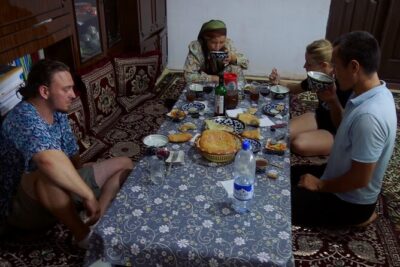
Private Samarkand Cooking Class with Market Tour & Transfers
Read our review →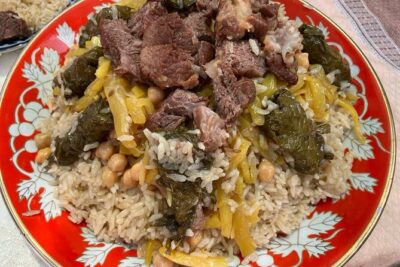
Cooking Class in the Village with Local Family in Samarkand
Read our review →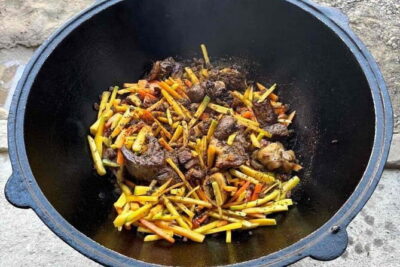
Samarkand Local Family Cooking Class and Siyob Bazaar Tour
Read our review →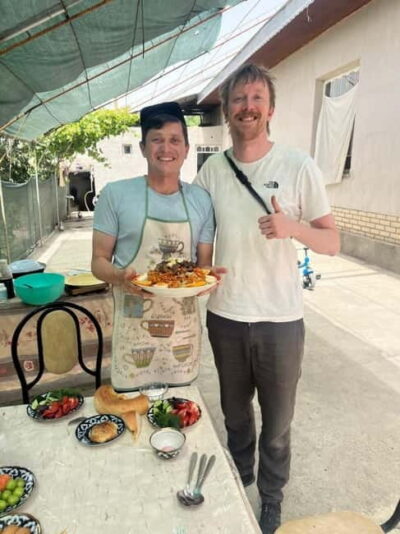
Browse the lists this tour appears in