
Review · COOKING CLASSES IN SAMARKAND
cooking traditional food in Samarkand with local people
The best meals come with a story. This five-hour experience pairs a visit to Samarkand’s Siab Bazaar with home cooking in Ravot village, where you can prepare Uzbek dishes, meet a local family, and eat what you have helped make. I especially like the garden visit and the chance to see everyday village life beyond Registan Square.
I also like that transport is included from your hotel, airport, or station, making this a practical half-day outing. The main consideration is the level of hands-on cooking: some visitors took part in preparing plov and hanim, while one found they mostly chopped vegetables and watched. If active cooking matters to you, confirm what you will prepare before setting off.
In This Review
- Key points to know
- Siab Bazaar: begin with Samarkand on a plate
- The road to Ravot village
- Inside the family home
- Cooking plov, hanim, and local salads
- Gas, o’choq, and the heat of a tandir
- The meal is part of the lesson
- What the $62 price really buys
- Who will enjoy this most
- Practical advice before you go
- Should you book this Samarkand cooking experience?
- FAQ
- How long does the cooking experience last?
- Where does the village cooking class take place?
- Is Siab Bazaar open every day?
- Is transportation included?
- What food can I cook?
- Can I bake bread in a tandir?
- Is the activity conducted in English?
- Can I cancel and receive a refund?
Key points to know
- Siab Bazaar and Ravot village in one outing: You get city market color followed by a family visit 14 kilometers from Registan Square.
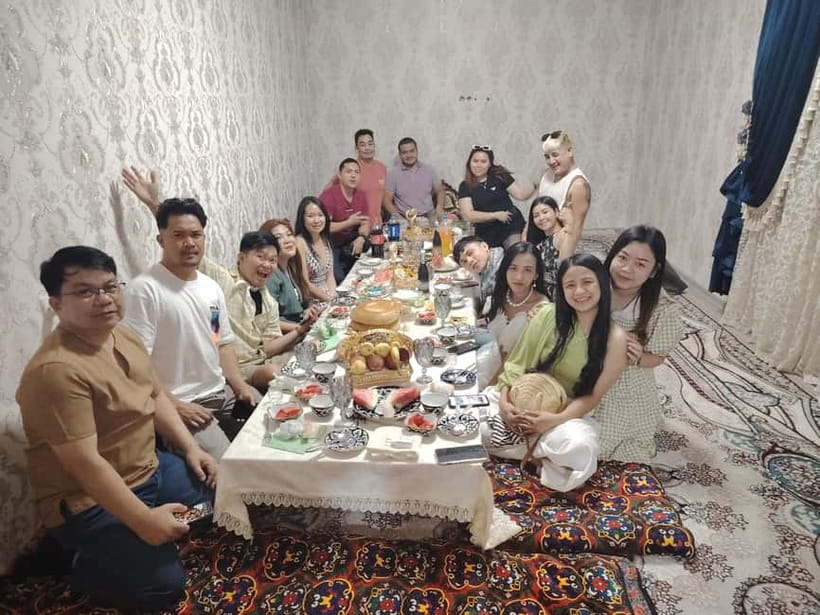
- Plov is the star dish: The local specialty is prepared with the family, often with help from the host’s mother.
- A real home setting: You may see the garden, fruit trees, neighborhood, cooking tools, and daily life of the household.
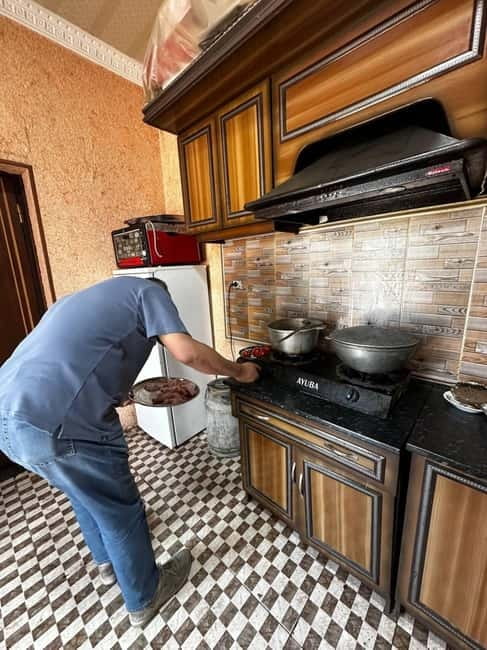
- Tandir bread and o’choq cooking: Depending on your plans, the session can show food cooked over gas, in an o’choq, or baked in a tandir.
- Five hours with transport included: Pickup and drop-off at a hotel, airport, or station add useful value for a short Samarkand stay.
- Ask for an active role: The experience can be highly participatory, but the exact amount of cooking may vary.
Siab Bazaar: begin with Samarkand on a plate
The outing can start at Siab Bazaar, Samarkand’s main food market and one of the best places to see how local meals begin. This is not just a quick stop for photographs. The point is to look at the products used in Uzbek kitchens, understand what goes into the day’s meal, and get your bearings before heading to the village.
You might see the ingredients that later appear in salads, plov, bread, and other regional dishes. The bazaar visit gives the cooking class a useful setting. Instead of treating Uzbek food as a finished plate, you begin with the raw materials and the way people shop for them.
Siab Bazaar is closed on Mondays. That is the most important scheduling detail, so avoid booking this version of the outing on that day or confirm whether the plan will change. If the market matters to you, check the starting date carefully.
The market portion is also a good chance to tell your guide what you enjoy eating. The cooking can be adapted to your preferences, with different salads and local dishes available depending on the arrangement. You are not locked into a single menu in every case, although plov is the dish most strongly associated with the experience.
More Cooking Classes in Samarkand
- Samarkand: Village Tour with Plov Cooking Class & Home Visit
★ 5.0 · 29 reviews - Samarkand: Uzbek Cooking Class in a Village Home
★ 5.0 · 22 reviews - Cooking class in Samarkand with local life experience
★ 5.0 · 19 reviews
The road to Ravot village
After the bazaar, you travel to Ravot in Toyloq district. The village is about 14 kilometers from Registan Square, and the road is described as good quality rather than rough or uncomfortable. That makes this a manageable addition to a city sightseeing schedule, not a demanding rural expedition.
The included pickup is useful here. You can be collected from a hotel, the airport, or a train station, and dropped off afterward at one of those locations. If you are arriving in Samarkand and have arranged the timing carefully, this can function as both an introduction to local food and a convenient transfer.
Still, allow the full five hours. The duration includes transport, the bazaar, time at the family home, cooking, and the meal. You will get more from it if you do not place a rushed museum visit immediately afterward.
The move from central Samarkand to Ravot is part of the value. The city’s grand monuments tell one side of Uzbekistan’s story. A village home, garden, kitchen, and family conversation show another. You are not simply changing scenery. You are changing the kind of contact you have with the country.
Inside the family home
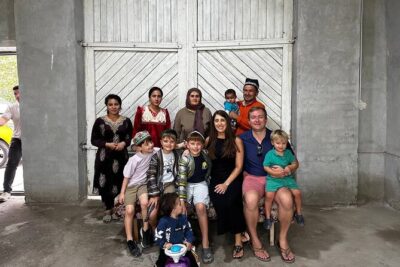
The heart of the experience is the welcome at the local home. You may meet several members of the family, walk through the garden, and see fruit trees and an orchard-like growing area. One particularly warm part of the experience is the chance to talk about Uzbek customs and family life while sitting in the setting where those traditions are practiced.
That home setting makes the outing feel different from a restaurant meal. You can ask how dishes are prepared, what tools are used, and how cooking fits into daily life. The guide’s English is described as excellent, which matters when the conversation moves beyond ingredients into local habits, traditions, and village life.
Akram is named as the guide in several accounts and is praised for his friendly manner, punctuality, and clear English. Other comments refer to Navruz or Havruz and the host family. Since the names appear differently in the information provided, I would confirm the guide’s name and meeting details when booking. That small check avoids confusion on the day.
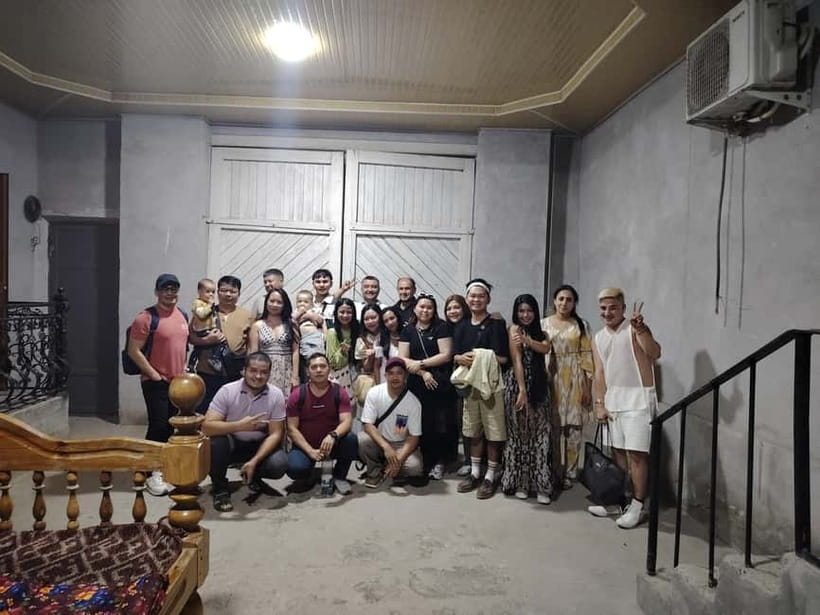
The family welcome is one of the most praised parts of the experience. You may not get a formal lecture about culture, and that is a good thing. Instead, you learn through conversation, the garden, the kitchen, the meal, and the simple act of being shown around someone’s home.
Cooking plov, hanim, and local salads
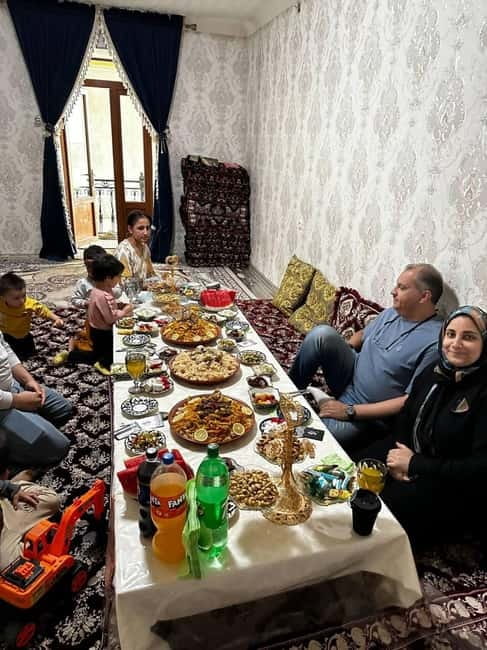
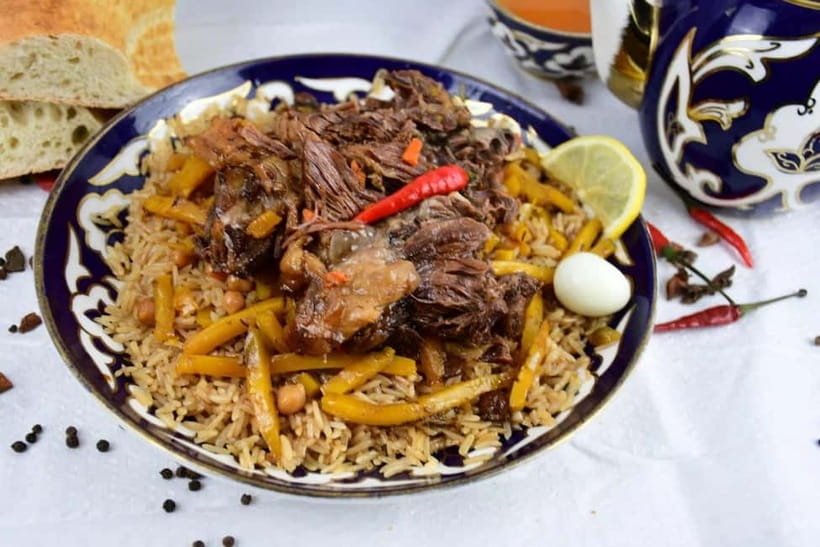
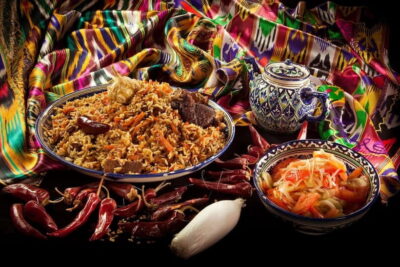
Plov is the natural centerpiece. This famous Uzbek dish combines rice with ingredients prepared in a particular order, and the cooking process offers a better look at local technique than simply ordering a bowl in town. Depending on the menu selected, you may prepare plov with the guide and family, sometimes alongside the host’s mother.
You can take part in the preparation if you want. The useful phrase here is if you want, because the class is not presented as a rigid school with every participant assigned a measured task. Some people have chopped ingredients and cooked alongside the family. Another person found that they did only a little preparation and watched most of the process.
That difference is important. If your ideal class means rolling, stirring, seasoning, and handling each stage yourself, tell the guide clearly at the beginning. Ask to participate in the main dish, not only the vegetable preparation. The family may be happy to involve you, but you should not assume that the activity will operate like a professional cooking school.
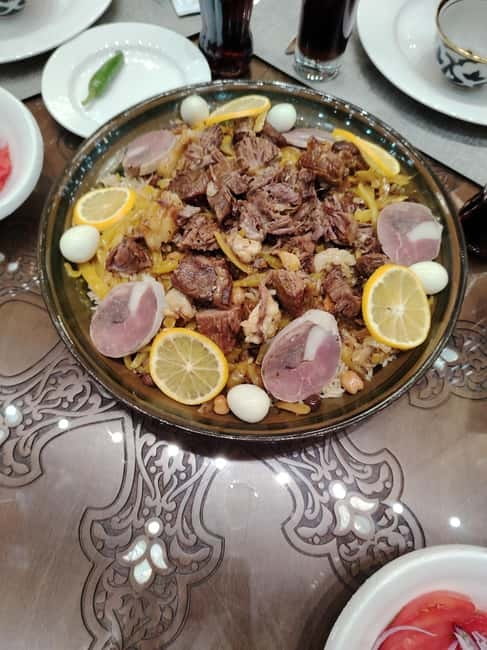
The menu can include more than plov. Salads and other Uzbek dishes can be arranged according to preference. Hanim is another dish specifically associated with the experience, and one meal included both plov and hanim. The food is served with beverages, making the cooking session a complete lunch or dinner rather than a small tasting.
The strongest food compliment is simple: the meal is consistently described as delicious, especially the plov. That is encouraging, but the bigger appeal is the connection between cooking and place. You see the garden, learn about the ingredients, work in the family setting, and then eat the finished food at the same home.
A completely different kind of day:
- Samarkand: Historical Monuments Guided Walking Tour
★ 4.8 · 446 reviews - Private Samarkand City Tour With Transportation
★ 5.0 · 149 reviews - A City Tour Of Samarkand: The Pearl Of The East
★ 5.0 · 133 reviews - Full Day Private Tour in Seven Lakes from Samarkand
★ 5.0 · 94 reviews
Gas, o’choq, and the heat of a tandir
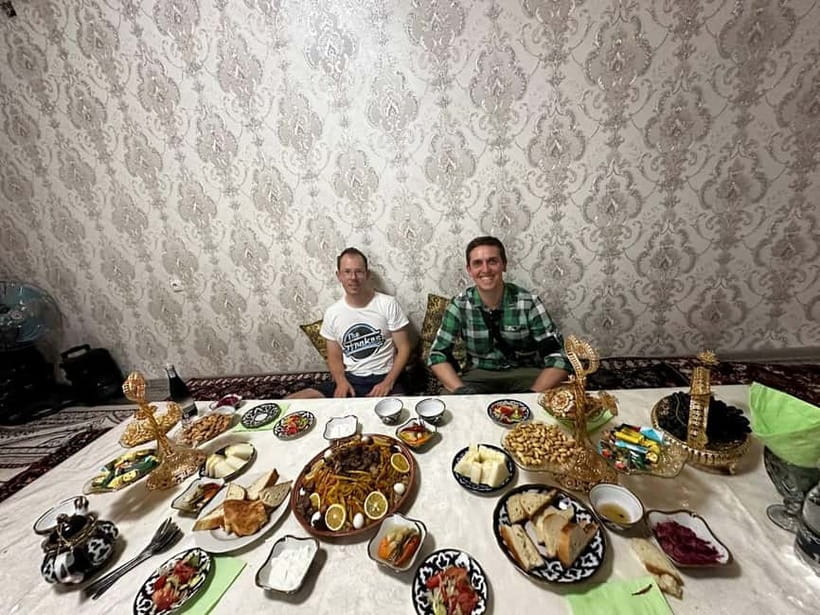
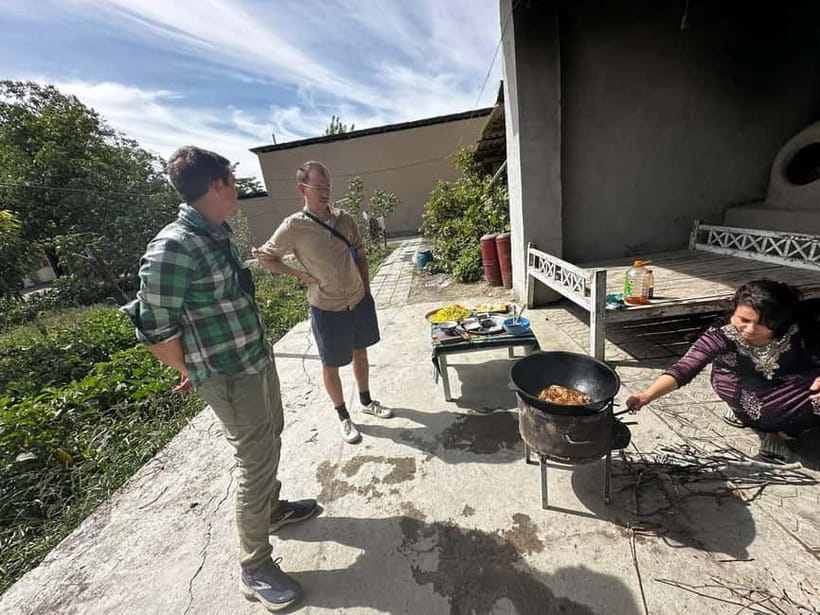
The cooking may be demonstrated using different methods, including gas and an o’choq. You can also be shown how bread is baked in a tandir, the traditional clay oven used across Central Asia. The option to see bread made this way adds a strong practical detail to the day.
A tandir is not just a decorative object for the kitchen. It shows how bread is treated as an everyday staple and a craft. The heat, tools, and handling of the dough help explain why Uzbek bread has such an important place at the table.
Do not assume every option will be included in every visit. The description says these methods can be used or shown, so the exact cooking setup may depend on the day’s meal and the host family. If tandir bread is a priority, request it in advance.
This is also where comfortable, respectful clothing matters. Short skirts and tight clothing are not allowed, along with weapons, sharp objects, explosive substances, and nudity. Wear practical modest clothing suitable for a family home and kitchen. The activity is wheelchair accessible, but it is sensible to discuss the specific village-home arrangements beforehand if you need detailed mobility support.
The meal is part of the lesson
Lunch or dinner includes the food prepared during the session, salads, and beverages. That meal is not an afterthought. It is when you can taste the result, ask final questions, and spend more time with the household without rushing from one stage to the next.
I like this format because the meal gives the cooking a clear purpose. You are not making a dish simply to watch it disappear into a restaurant kitchen. You share it with the people who taught you, and the conversation can continue around the table.
The meal also helps you judge Uzbek food in context. Plov is often treated as a national symbol, but it makes more sense when you connect it with the family, the garden, the market, and the time spent preparing it. You come away with a better sense of how food works as hospitality in Uzbekistan.
Portions and the exact menu are not specified, so you should ask about your preferred dishes and any dietary restrictions before the visit. The experience offers menu choice in principle, but it does not promise every dish or special diet.
What the $62 price really buys
At $62 per person, this is not the cheapest way to eat in Samarkand. You could spend far less on a local restaurant meal. The price makes more sense when you count the transport, English-speaking guide, Siab Bazaar visit, cooking instruction, home visit, meal, beverages, and return transfer.
The value is strongest for a first-time visitor who wants contact with local life without arranging several separate pieces. A taxi to a village, a market visit, a private food lesson, and a meal with a family would take planning on your own. Here, those parts are combined into five hours.
It is also good value if you are transferring through Samarkand. Pickup and drop-off at a station or airport can reduce the need to organize a separate ride, though you must allow enough time for the full activity.
The price is less convincing if your only goal is a formal, highly active cooking lesson. Since participation can vary, you are paying as much for the cultural visit and hospitality as for instruction. That is not a weakness, but it should match your expectations.
The experience has a 4.8 rating from 17 reviews, with repeated praise for the family welcome, plov, English communication, and village setting. One lower rating focused on limited hands-on cooking rather than transport, food, or hospitality. That gives you a fair picture: the cultural side is the safest reason to book, while the cooking role needs clarification.
Who will enjoy this most
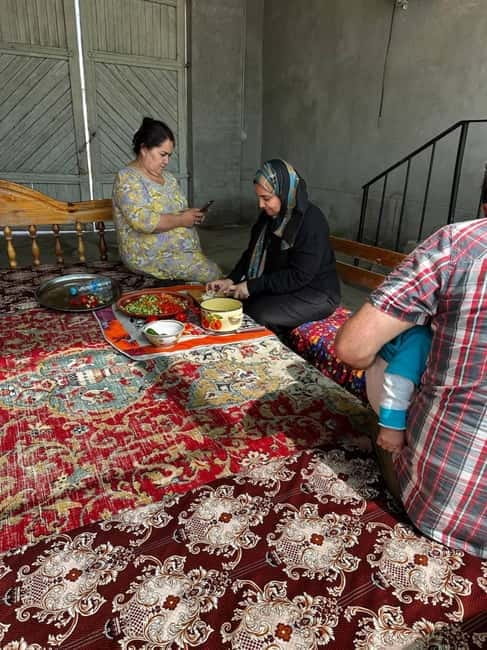
I would recommend this to you if you have already seen some of Samarkand’s major sights and want a different pace. It suits people who enjoy talking with local families, learning through food, and seeing how a village household lives.
It is also a good fit for solo visitors. A family welcome and a guide who can explain local customs make the experience easier and more personal than trying to find a rural meal on your own.
Families and small groups may enjoy the garden, bread baking, and choice of dishes. Children or first-time cooks may prefer the relaxed format, but parents should ask how much active preparation is planned if they want everyone involved.
You may want a different activity if you dislike eating in private homes, prefer a tightly timed professional class, or want a menu with guaranteed dishes. This is a home visit with cooking, not a restaurant kitchen workshop.
Practical advice before you go
Ask these questions when arranging the day:
- Which dishes will we prepare?
- Will I cook the main stages of plov or mostly watch?
- Can we include tandir bread or o’choq cooking?
- Is the Siab Bazaar visit included on the chosen date?
- Where exactly will pickup and drop-off take place?
- Can the menu suit my dietary needs?
Wear modest clothing that is comfortable for sitting, preparing food, and visiting a family home. Leave sharp objects and anything restricted at your accommodation.
Monday is the day to avoid if you specifically want Siab Bazaar. The village itself is 14 kilometers from Registan Square, so plan the activity as a substantial half-day rather than a quick meal stop.
Free cancellation is available up to 24 hours before the activity for a full refund, and you can reserve now and pay later. The live guide language is English. These policies are helpful if your Samarkand schedule is still shifting.
Should you book this Samarkand cooking experience?
Book it if you want people and place, not just a recipe. The best parts are the family home, the garden, the conversation about Uzbek life, the shared plov, and the change from central Samarkand to Ravot village.
Book with one condition: tell the guide that you want an active cooking role. If that is confirmed, the experience offers a strong mix of food, transport, market time, and local contact for $62. If you mainly want a guaranteed hands-on class, ask detailed questions first. The food is likely to please you, but the real reward is being welcomed into an Uzbek home.
FAQ
How long does the cooking experience last?
The activity lasts five hours, including transport, the Siab Bazaar visit, cooking, the family visit, and lunch or dinner.
Where does the village cooking class take place?
It takes place in Ravot village in Toyloq district, about 14 kilometers from Registan Square.
Is Siab Bazaar open every day?
Siab Bazaar is closed on Mondays. Choose another day if the market visit is important to you.
Is transportation included?
Yes. Pickup and drop-off are included from hotels, the airport, and stations.
What food can I cook?
The menu can include Uzbek dishes such as plov and hanim, along with salads. The available dishes can depend on your preferences and the arrangement for the day.
Can I bake bread in a tandir?
The experience can include a demonstration of baking bread in a tandir. Ask in advance if this is a priority for you.
Is the activity conducted in English?
Yes. The live tour guide language is English.
Can I cancel and receive a refund?
You can cancel up to 24 hours in advance for a full refund. Reserve now and pay later is also available.
More Food Tours in Samarkand
- Wine Tasting Tour in Samarkand
★ 4.0 · 21 reviews - Tashkent: Uzbek Culture, Food, Crafts & Pottery Masterclass
★ 5.0 · 24 reviews - Tashkent Vegan Street Food Tour
★ 5.0 · 22 reviews - Tashkent Walking & Food Tour: Highlights + Local Flavors
★ 5.0 · 18 reviews
Just added in Samarkand
- Wine tour in Samarkand (Baguizagan) English★ 5.0 · 2 reviews
- Uzbek wedding ceremony★ 5.0 · 2 reviews
- Samarkand Capital of Amir Timur Private Tour with Transport★ 5.0 · 3 reviews
- The Golden City of Samarkand: A Self-Guided Audio Tour★ 4.0 · 4 reviews
- Seven Lakes Panjakent: One-Day Adventure from Samarkand★ 5.0 · 3 reviews
- Shakhrisabz Private Day Tour from Samarkand★ 5.0 · 4 reviews
- Tadjikistan 7 Lakes Day Trip from Samarkand with Lunch★ 5.0 · 5 reviews
- “Hidden Paradise: Seven Lakes & Voru Village in 2 Days”★ 5.0 · 2 reviews
Cooking Classes in Samarkand, compared.
Village Tour with Plov Cooking Class & Home Visit
Read our review →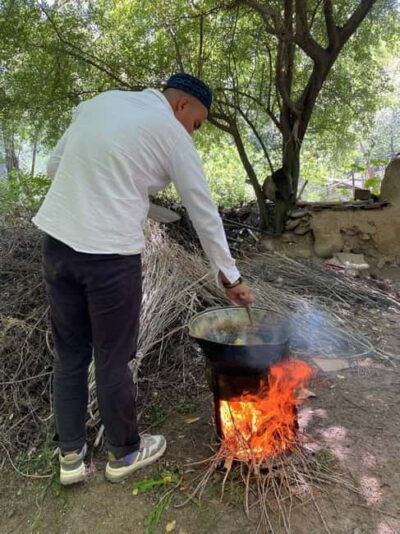
Cooking class in Samarkand with local life experience
Read our review →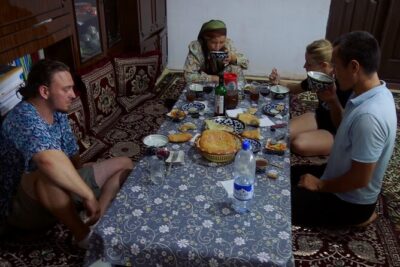
Private Samarkand Cooking Class with Market Tour & Transfers
Read our review →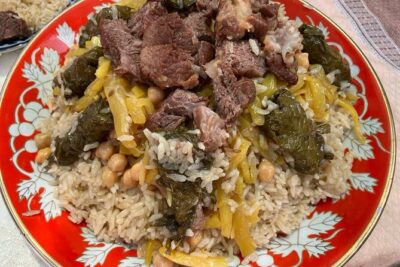
Cooking Class in the Village with Local Family in Samarkand
Read our review →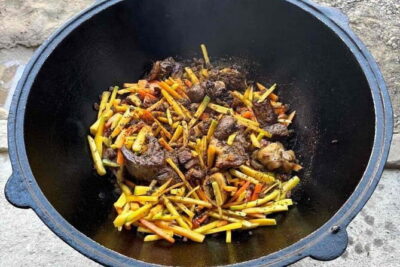
Samarkand Local Family Cooking Class and Siyob Bazaar Tour
Read our review →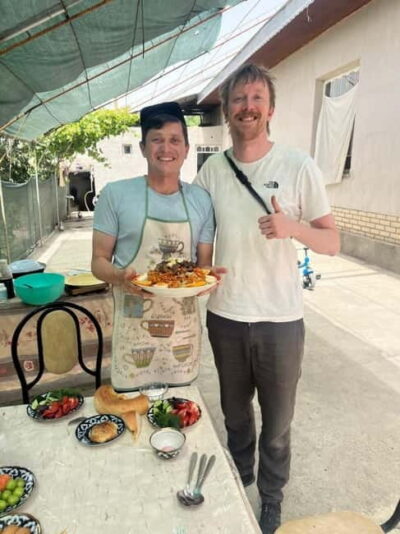
Browse the lists this tour appears in