
Review · TRAIN EXPERIENCES
Samarkand One Day Private Tour from Tashkent with Bullet Train
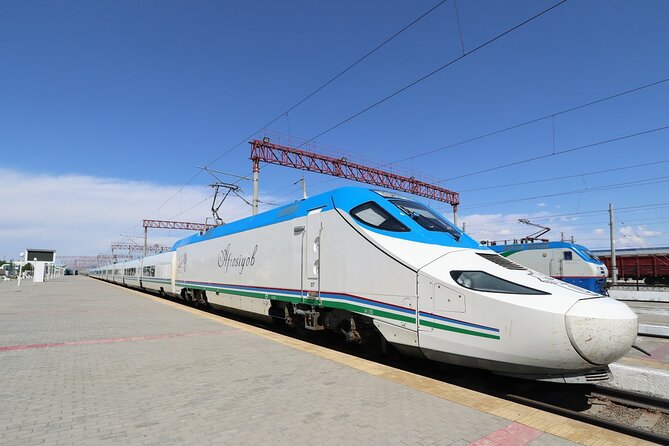
One day can cover centuries here. This private Samarkand trip makes the long jump from Tashkent simple, with round-trip Afrosiyob bullet train tickets and a private guide handling the sightseeing. I especially like the efficient route through Registan, Shah-i-Zinda, and Gur Emir, plus the chance to see less famous places such as the Afrosiab Museum and Ulugh Beg Observatory. The drawback is the pace: nine to twelve hours is a very long day, and six major stops leave little room for lingering.
You meet at Shimoliy Vokzal in Tashkent, then return there after your Samarkand visit. I also like that entrance tickets, transport in an air-conditioned vehicle, taxes, and a licensed guide are included. Plan for extra cash, though, because photo and video charges at museums or sights cost about $1 to $2 each, and tips are not included.
The best part of this arrangement is the private format. You can ask questions, adjust the schedule, and spend more time at the places that interest you most. Guides named in feedback include Timur, Charos, Pushi, and Shokhrukh, with praise focused on clear explanations, flexible timing, good photo spots, and thoughtful help on a very hot day.
In This Review
- Key points to know before booking
- Why this Tashkent to Samarkand day trip works
- Registan gives the day its grand opening
- Bibi Khanym shows Timur’s ambition
- Shah-i-Zinda is the most intimate major stop
- Ulugh Beg Observatory connects science with the city
- Afrasiab Museum explains what came before Timur
- Gur Emir brings the Timurid story full circle
- The private guides are a major part of the value
- What $190 buys you
- The schedule is efficient, but not gentle
- Who should book this Samarkand tour?
- Should you book it?
- FAQ
- Where does the tour start and finish?
- Are the Afrosiyob train tickets included?
- What sights are included?
- How long does the experience last?
- Are guide and driver tips included?
- Can I cancel for a full refund?
Key points to know before booking
- Afrosiyob makes Samarkand possible in one day: The included return train ticket saves you from arranging one of Uzbekistan’s most sought-after rail journeys yourself.
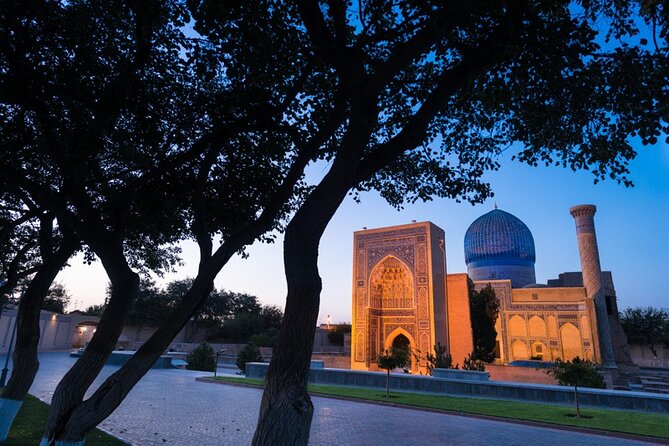
- Six important stops fit into one demanding schedule: Registan, Bibi Khanym Mosque, Shah-i-Zinda, Ulugh Beg Observatory, the Afrosiab Museum, and Gur Emir are all covered.
- A private guide changes the experience: You travel only with your own party, so questions and timing can be handled more easily than on a large group tour.
- The route mixes famous monuments with archaeology: You get grand Timurid buildings, sacred tombs, an ancient city site, and a museum devoted to old Samarkand.
- Budget $190 as a convenience price: The cost is easier to justify if you value reserved rail tickets, private transport, admission, and a full day of guiding.
- Book rail space early: The operator says Afrosiyob tickets open 45 days before departure and can sell out within an hour during the busy season.
Why this Tashkent to Samarkand day trip works
Samarkand is the sort of place that can swallow several days. Its main monuments are spread across the modern city, and the sites belong to different periods, from ancient Afrosiab to the age of Timur and his grandson Ulugh Beg.
This tour gives you a concentrated first look without requiring a hotel change. The train is the key. Instead of spending the day on a road, you use the Afrosiyob service for the Tashkent to Samarkand journey and return the same way. The tour still lasts about nine to twelve hours, but the rail connection makes the day more practical.
Your meeting point is Shimoliy Vokzal on Turkiston Street in Tashkent. The departure point is near public transport, but you should allow time to find the correct station area. Your confirmation arrives at booking, and the tour ends back at the same meeting point.
The private setup is useful here. Samarkand rewards explanation because its monuments are not simply decorative buildings. They reflect changes in power, religion, science, and urban life. A guide can connect those layers while you move between sites, instead of leaving you to decode a row of blue-tiled façades on your own.
More rail trips between the cities:
- 2 Days Tour to Bukhara and Samarkand from Tashkent by train
★ 5.0 · 53 reviews - Tashkent Airport & Train Station Pick Up & Drop Off
★ 4.5 · 50 reviews - Day Tour to Samarkand from Tashkent by train.
★ 5.0 · 34 reviews
Registan gives the day its grand opening
Registan is the natural starting point and receives about an hour. The square became the center of the city after life in Afrosiab declined, and it was rebuilt more than once. Today, three medreses frame the open space: Ulugh Beg, Sherdor, and Tillokori.
This is the place where Samarkand first feels larger than a stopover. The façades are packed with tilework, geometric patterns, inscriptions, and strong color. You will want time simply to look across the square, then move closer to study the details.
An hour is enough for a guided introduction and a look inside the main buildings, but it is not generous if you want every corner and every photograph. Your guide can help you focus on the main architectural differences and the role of the square in city life.
Because Registan is the most famous stop, it can feel heavily geared toward sightseeing. That does not make it less impressive, but you should expect a polished historic center rather than an untouched ruin. The value of a private guide is strongest here, since a good explanation gives the grand setting some human meaning.
Bibi Khanym shows Timur’s ambition
The visit to Bibi Khanym Mosque lasts about 30 minutes. Built between 1399 and 1404 on Timur’s order, it was named for his wife and became one of Central Asia’s best-known religious buildings.
The short time here is understandable in a packed schedule, but it can feel quick. The mosque is primarily a visual stop, with a huge scale and a powerful connection to Timur’s building program. Your guide can explain how the mosque fits into the wider Timurid story before you move on.
This is also one of the places where the tour’s balance becomes clear. You see major monuments, but you are not getting a slow architectural study of each one. If Bibi Khanym is especially important to you, tell your guide early. A private itinerary gives you a better chance of adjusting the rhythm than a fixed large-group outing.
Shah-i-Zinda is the most intimate major stop

Allow about an hour for Shah-i-Zinda, an ensemble of tombs and mausoleums on the southeastern mound of Afrosiab. The complex includes 44 tombs across more than 20 mausoleums, with structures dating from the ninth to fourteenth centuries and later additions from the nineteenth century.
This stop changes the mood of the day. Registan is an open civic square, while Shah-i-Zinda is a passage lined with tiled façades and burial places. The repeated patterns, narrow spaces, and varied tomb buildings make it one of the most memorable parts of the route.
You will need to walk through the ensemble, and the pace may be affected by heat or crowds. One guide, Charos, was praised for finding shady places before giving historical explanations on a brutally hot day. That is a small but important sign of good guiding: comfort matters when you are outside for hours.
The site also deserves respectful behavior. It is not only a photogenic monument complex but a sacred burial area. Your guide can help explain what you are seeing and how the different periods fit together.
A few more options to weigh up in Tashkent
- Best of Tashkent Mountains: Amirsoy, Chimgan & Charvak Trip
★ 4.8 · 567 reviews - Samarkand One Day Tour – Departure From Tashkent
★ 5.0 · 313 reviews - Tashkent City Tour
★ 5.0 · 121 reviews - Amirsoy, Chimgan & Charvak Full-Day Adventure
★ 4.9 · 82 reviews
Ulugh Beg Observatory connects science with the city

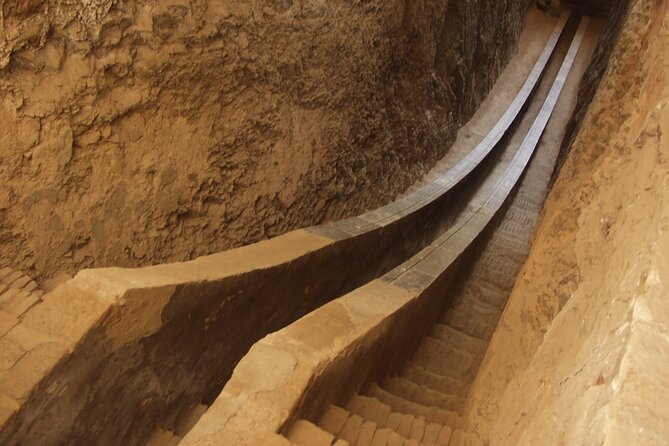
The stop at Ulugh Beg Observatory lasts about 20 minutes. Only the foundations remain, yet the site marks the work of Timur’s grandson, Ulugh Beg, who was an astronomer, scientist, and architect.
Do not arrive expecting a complete observatory building. The attraction is the idea of what once operated here and the chance to connect Samarkand with scientific study, not only royal power and religious architecture.
Twenty minutes is enough for a concise explanation and a look at the remains. It is not enough for a long museum visit or a detailed study of astronomy. Still, this brief stop adds welcome variety. Without it, the day could become a sequence of mausoleums and mosques. Ulugh Beg reminds you that Samarkand also mattered as a center of learning.
Afrasiab Museum explains what came before Timur
The Afrosiab Museum receives about an hour, along with the ruined site of ancient and medieval Samarkand in the northern part of the modern city. The area offered favorable conditions for settlement, and the archaeological remains reach back before the city’s later Timurid fame.
This is one of the most useful stops for understanding the city’s full timeline. The blue domes and grand portals belong to a famous later chapter, but Samarkand did not begin with Timur. Afrosiab gives you a glimpse of the older city and helps explain why this location mattered long before the monuments most people recognize.
The museum and ruins also provide a change from decorated architecture. You are looking at evidence, fragments, and the remains of urban life rather than complete restored buildings. That can be less immediately dramatic, but it gives the rest of the tour more context.
An hour here is a good allocation if you want history rather than only photographs. Ask your guide to connect Afrosiab with the later city. That link is one of the strongest reasons to include this stop.
Gur Emir brings the Timurid story full circle
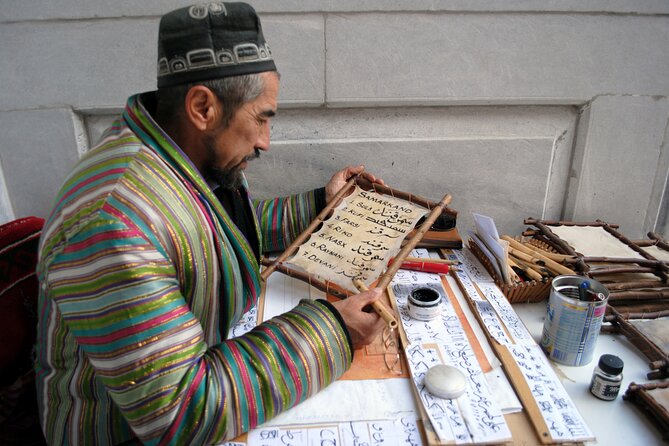
The final major monument is Gur Emir Mausoleum, with about 30 minutes scheduled. Timur’s tomb lies here, in a mausoleum dating from 1404 to 1405, with later historical importance tied to the Timurid family.
The building is smaller in scale than Registan, but the atmosphere is more focused. This is where the day’s story of conquest, patronage, and dynastic power comes together. Seeing Timur’s burial place after learning about his building projects gives the earlier monuments a clearer frame.
Half an hour allows a guided visit without turning the stop into a long pause. The tour may feel rushed if you want extended time inside or are taking many photographs, but the order works well. After ancient Afrosiab and the great public monuments, Gur Emir provides a final, personal point of reference.
The private guides are a major part of the value
The strongest praise for this experience centers on the guides rather than the vehicle or ticketing. Timur was described as engaging and superb, while Charos was praised for professional explanations and careful handling of intense heat. Pushi was credited with making the Samarkand visit especially memorable, and Shokhrukh was noted for informative commentary, flexibility, and good photography locations.
The names matter because guiding quality can make or break a one-day visit. You are covering a lot of ground, and the difference between a list of dates and a clear explanation is substantial. Feedback also points to cheerful, attentive guiding and language that was easy to follow.
The private format gives you practical advantages:
- You can ask for clarification without holding up a large group.
- You may be able to adjust the timing within the fixed rail schedule.
- You can request a better place for photographs.
- Your guide can look for shade or help manage the heat.
- You travel only with your own party.
The tour is not presented as a food-focused or hands-on cultural experience. Its strength is monuments, archaeology, transport, and interpretation. If you want long meals, shopping time, or an unhurried wander through side streets, this schedule may feel too full.
What $190 buys you
At $190 per person, this is not the cheapest possible way to reach Samarkand. The price includes the return Afrosiyob tickets, an air-conditioned vehicle, a licensed guide, entrance tickets, fees, and taxes. You are paying for convenience as much as sightseeing.
The rail ticket is particularly important. The operator says Afrosiyob seats are released 45 days before departure and may sell out within an hour in high season. Securing those tickets can be difficult at short notice, so the package has real value if you have limited time in Uzbekistan or do not want to manage the rail booking yourself.
The price becomes more attractive for a private group, especially because group discounts are available. A couple or family can share the private vehicle and guide while keeping the day flexible. Solo visitors should think more carefully about the per-person cost, since the private format offers less opportunity to spread the expense.
Set aside additional money for guide and driver tips. Photo and video museum charges are also paid in cash at the entrance, generally $1 to $2 per sight. These fees are small compared with the total price, but carrying Uzbek currency or suitable cash will prevent awkward pauses.
The schedule is efficient, but not gentle
The listed sightseeing time adds up to roughly four hours and 20 minutes, before train journeys, transfers, and any delays. That tells you how the day works: each stop has a clear purpose, and the tour moves on before you can explore every detail.
You should expect a full day rather than a relaxed excursion. The air-conditioned vehicle helps between sites, but several stops involve walking and outdoor exposure. The experience is easier if you wear comfortable shoes and prepare for hot conditions, though the supplied information does not specify a particular season or weather forecast.
The nine to twelve hour duration is an estimate, not a promise of a short day. Rail timing, traffic, station procedures, and the amount of time you spend at each site can affect the total. The private format gives you some control, but the return train creates a firm limit.
The one poor rating points to the risk of rushed sightseeing, commercialized areas, and travel problems. That criticism is worth taking seriously even though the overall score is 4.7 from nine ratings. Samarkand is a must-see for many Uzbekistan itineraries, but a one-day visit is a sampler. You will see the main places, not absorb the entire city.
Who should book this Samarkand tour?
I would recommend it to you if you are based in Tashkent, have only one free day, and want the major Samarkand monuments without changing hotels. It also suits families and small private groups that value a vehicle, a personal guide, and a single organized package.
It is a good fit if you want historical explanation. The route covers civic architecture, religious buildings, royal burial places, astronomy, and archaeology. That range gives you a much better introduction than visiting only Registan and returning to the station.
I would be more cautious if you dislike early starts, long days, fixed rail schedules, or rapid sightseeing. You may prefer an overnight stay in Samarkand if you want time for slower walks and repeated visits to the main squares.
Book well ahead if you need a particular date. The free cancellation rule allows a full refund when you cancel at least 24 hours before the start time, but late cancellations and changes are not accepted. Confirmation is provided at booking, and most people can participate, but you should still check Uzbekistan’s entry requirements before arranging the trip.
Should you book it?
Book this tour if convenience is your priority and Samarkand is a one-day opportunity. The included Afrosiyob tickets, private transport, admissions, and guide make the $190 price reasonable for a tightly organized day, especially with a group discount.
Skip it if your ideal Samarkand visit means slow mornings, long museum stops, and time away from the main sights. For everyone else, this is a practical first encounter with the city, provided you accept the early-to-late schedule and reserve the train space before demand becomes a problem.
FAQ
Where does the tour start and finish?
It starts and ends at Shimoliy Vokzal, located at 77RP+J94 on Turkiston ko’chasi in Tashkent. The activity ends back at the meeting point.
Are the Afrosiyob train tickets included?
Yes. The package includes return Afrosiyob bullet train tickets between Tashkent and Samarkand.
What sights are included?
The route includes Registan, Bibi Khanym Mosque, Shah-i-Zinda, Ulugh Beg Observatory, the Afrosiab Museum, and Gur Emir Mausoleum. Entrance tickets are included.
How long does the experience last?
The tour lasts approximately nine to twelve hours. The scheduled sightseeing time does not include the full train and transfer schedule.
Are guide and driver tips included?
No. Tips for the guide and driver are not included in the price.
Can I cancel for a full refund?
Yes, if you cancel at least 24 hours before the experience start time. Cancellations or changes made less than 24 hours before the start time are not accepted for a refund.
Just added in Tashkent
- Uzbekistan and Tajikistan 9-Day Tour★ 5.0 · 1 review
- Tashkent International Airport (TAS) to Tashkent – Arrival Private Transfer★ 5.0 · 2 reviews
- Uzbek Brews & Views: Tashkent Craft Beer Discovery Tour★ 5.0 · 2 reviews
- 8-Day Private Tour in Uzbekistan with Pick Up★ 5.0 · 2 reviews
- Uzbekistan Tour – 6 Days 5 Nights★ 5.0 · 4 reviews
- Uzbekistan Private Tour 6 Days★ 5.0 · 1 review
- Tashkent to Tashkent International Airport (TAS) – Departure Private Transfer★ 5.0 · 1 review
- Full Day Private Tour to Fergana Valley from Tashkent★ 5.0 · 1 review
Train Experiences, compared.

2 Days Tour to Bukhara and Samarkand from Tashkent by train
Read our review →
Uzbekistan 3 Day Private Tour Tashkent-Bukhara-Samarkand Bullet Train
Read our review →
Afrosiyob high speed train tickets – Guaranteed Pass
Read our review →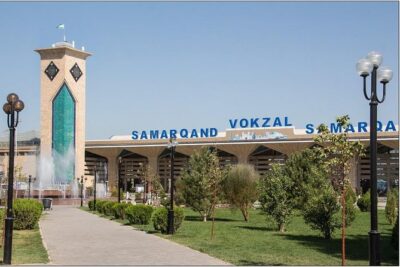
Samarkand Airport / Railway Station – Samarkand City Transfer
Read our review →
Uzbekistan 6 Days Private Tour Khiva-Bukhara-Samarkand by Train
Read our review →
Transfer Tashkent Airport / Railway Station – Hotel
Read our review →
Urgench Airport / Railway Station – Khiva Transfer
Read our review →Browse the lists this tour appears in