
Review · CITY TOURS IN TASHKENT
Tashkent City Tour
Tashkent rewards curious walkers. This private eight-hour tour brings together the city’s decorated metro stations, grand public squares, old-city mosques, museums, and Chorsu Bazaar, giving you a useful first look at Uzbekistan’s capital without the fuss of arranging each stop yourself. I especially like the mix of polished modern Tashkent and its older religious quarter. I also like the chance to ask an English-speaking guide about local customs, food, money, and daily life as you go.
The main consideration is pace. The day covers a lot of ground, with several short visits rather than long, quiet museum sessions. The details also need checking before you pay: the information lists lunch and dinner as included, then says meals are not included, and it describes the tour as wheelchair accessible while also saying it is not suitable for wheelchair users.
In This Review
- Key points at a glance
- A useful first day in Tashkent
- Kosmonavtlar Station and the Tashkent Metro
- Amir Timur Square and Independence Square
- Chorsu Bazaar and lunch in the old city
- Khast-Imam’s mosques and religious monuments
- Applied Arts Museum and the History Museum
- Tashkent City Park and the Opera House
- What the $100 price means
- Who will get the most from this tour
- Should you book the Tashkent City Tour?
- FAQ
- How long is the Tashkent City Tour?
- Where does the tour begin and end?
- Is this a private tour?
- What language does the guide speak?
- Does the tour visit the Tashkent Metro?
- Will I visit Chorsu Bazaar?
- Which religious sites are included?
- Are museum visits included?
- Is food included in the price?
- Can I cancel for a full refund?
Key points at a glance
- Tashkent Metro gives the day an unusual start: You visit Kosmonavtlar Station and learn why the metro is one of the city’s signature sights.
- Chorsu Bazaar brings daily life into focus: The 40-minute visit is paired with lunch, making this more than a quick photo stop.
- Khast-Imam connects Tashkent to its religious past: Tillya-Sheykh Mosque, Barak-Khan Madrasah, and the Mausoleum of Abu Bakr Kaffal Shashi form the spiritual heart of the old city.
- Amir Timur Square and Independence Square show modern civic Tashkent: Both stops are short but useful for understanding the capital’s public spaces and national identity.
- Jamshid offers practical local help: One booking review praised guide Jamshid for helping with cultural norms, language, food, currency, and flexible planning.
- The $100 price buys privacy and a full day: It can be good value if you want a guide, museum entries, lunch, dinner, and a flexible private outing, but confirm exactly what the fee covers.
A useful first day in Tashkent
Tashkent can feel spread out, and its sights tell different stories. The metro, Soviet-era civic spaces, old Islamic quarter, traditional market, and museums do not sit in one compact historic center. A private tour helps you connect these pieces in a single day.
You begin with pickup in Tashkent and return there after the sightseeing. The tour lasts eight hours, so it works best as a first full day in the city. You get an overview rather than a slow study of one neighborhood.
I like this format for a visitor who wants context quickly. You can see the major sights, ask questions as they arise, and use the guide’s help with practical matters. At the same time, you should not expect every museum or monument to receive a long, detailed visit.
The tour is private, with an English-speaking guide. That matters here because the schedule includes places where cultural manners and local customs are worth explaining. A private setting also gives you a better chance to adjust the rhythm, within reason, if one stop interests you more than another.
More City Tours in Tashkent
- Tashkent City Tour
★ 5.0 · 121 reviews - Tashkent city tour
★ 5.0 · 50 reviews - Tashkent: Private Full-Day City Tour on a Premium Car
★ 4.8 · 38 reviews
Kosmonavtlar Station and the Tashkent Metro
The metro is one of the day’s most distinctive stops. Tashkent’s system is described as the oldest metro in Central Asia, and Kosmonavtlar Station is part of the visit. You have about 19 minutes here, enough for a look around and an explanation of the station’s design, though not enough for a long ride through the network.
This is not simply transport from one attraction to another. The metro stations are known for individual decoration, and the stop gives you a glimpse of the city’s Soviet-era public art and engineering. The name Kosmonavtlar points toward the space program, making it an especially fitting station to include.
I would bring a camera, but remember that flash photography is not allowed. You should also wear comfortable shoes, since the day involves walking through stations, market lanes, squares, and museum spaces.
The short timing is the main limitation. If metro architecture is a major interest, 19 minutes may feel brief. For most people, though, this quick visit adds something different to a day otherwise filled with mosques, museums, and monuments.
Amir Timur Square and Independence Square
Amir Timur Square receives about 40 minutes. It is a central public space tied to Amir Timur, also known as Tamerlane, whose name appears throughout Tashkent’s museums and monuments. Your guide can place the square within the city’s modern identity and explain why this figure remains so prominent.
Independence Square follows with roughly 30 minutes. The timing suggests a guided orientation rather than a long, unhurried walk. You will see one of the capital’s major civic spaces and hear about Uzbekistan’s national story.
These two stops work well together. Amir Timur Square points to a powerful figure from Central Asian history, while Independence Square reflects the country’s modern statehood. You may not leave with every detail, but the contrast helps you read Tashkent’s public spaces with more understanding.
The drawback is that both squares can feel more like photo and explanation stops than full attractions. If you prefer markets, old lanes, and interiors, the old city and museums will likely hold your attention longer.
Chorsu Bazaar and lunch in the old city
The old-city portion brings a welcome change of pace. At Chorsu Bazaar, you spend about 40 minutes seeing a local oriental market and, according to the planned day, having lunch there.
This is one of the more useful stops because food is a direct way to understand a place. You can look at the produce, watch the movement of buying and selling, and ask your guide for help with unfamiliar dishes or prices. The supplied tour details do not specify the meal or restaurant arrangements, so do not assume a particular menu.
Forty minutes is enough for an introduction, but it is not a leisurely market morning. If you like to browse every stall or stop for photographs, you may wish the schedule allowed more time. A private guide can help you focus on the parts that interest you most.
The guide’s practical role matters here. Sanghamitra from the United States gave Jamshid high marks for helping with local language, food, currency, and cultural norms. That kind of assistance is useful at a market, where a little guidance can make the experience more comfortable and less awkward.
Do bring water, sunscreen, and a hat. Tashkent’s daytime conditions can make an outdoor market visit tiring, and the tour continues after lunch.
A completely different kind of day:
- Best of Tashkent Mountains: Amirsoy, Chimgan & Charvak Trip
★ 4.8 · 567 reviews - Samarkand One Day Tour – Departure From Tashkent
★ 5.0 · 313 reviews - Amirsoy, Chimgan & Charvak Full-Day Adventure
★ 4.9 · 82 reviews - Shymkent Day Tour from Tashkent
★ 4.6 · 71 reviews
Khast-Imam’s mosques and religious monuments
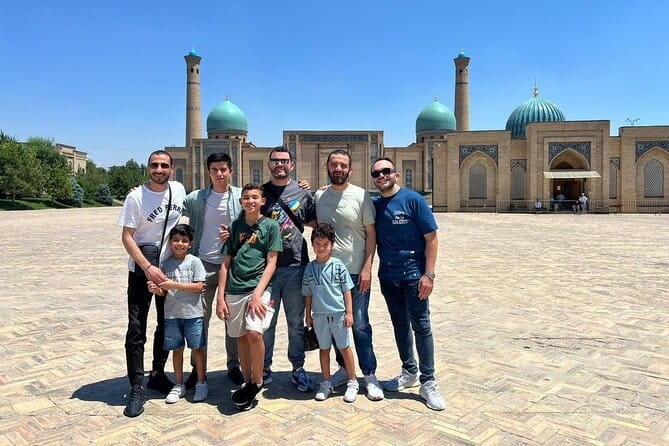
The Khast-Imam area is the spiritual core of the day. You visit Tillya-Sheykh Mosque, the Madrasah of Barak-Khan, and the Mausoleum of Abu Bakr Kaffal Shashi, also identified as the Mausoleum of the Saint Abu Bakr.
Tillya-Sheykh Mosque receives about an hour in the formal itinerary. That is the longest single monument visit listed, giving your guide time to explain the site and its place in Tashkent’s religious life. You should dress respectfully and follow instructions about where to walk and when photography is allowed.
The Barak-Khan Madrasah adds an architectural and educational layer. A madrasah is a religious school, and the building helps you see how faith and learning shaped the old city. The Mausoleum of Abu Bakr Kaffal Shashi brings another focus, linking the quarter to a revered religious figure.
This part of the day is valuable because it is not just a collection of attractive buildings. It shows a different side of Tashkent from the broad avenues and state squares. You get a sense of how the old city still functions as a place of worship and remembrance.
As with many active religious sites, your visit may involve rules about clothing, behavior, and photography. The tour specifically prohibits flash photography. An attentive guide can help you avoid cultural missteps, which was one of the strongest points in the account of Jamshid’s guiding.
Applied Arts Museum and the History Museum
The Museum of Applied Arts is listed twice in the day’s description, but the formal schedule gives it a 50-minute visit. Entry is included. This is a practical stop after the old city because it shifts your attention from religious architecture to Uzbek decorative traditions and crafts.
The information provided does not specify individual exhibits, so I would treat this as a guided introduction rather than a specialist museum visit. Fifty minutes should let you see the main rooms and ask questions without turning the day into an indoor marathon.
The History Museum of Uzbekistan and the Tamerlane Museum are also named in the day’s program. The formal stop list does not assign a separate duration to each, so confirm how both fit into the eight-hour schedule. The museums can help connect what you see outdoors with broader national history, but the exact amount of time available may vary.
This is where a private guide can add real value. A museum label can give you a date or name. A guide can explain why that object matters and connect it to Amir Timur, the old city, or modern Uzbekistan. The quality of that explanation depends on the individual guide, so Jamshid’s strong personal recommendation is worth noting if you can request him.
Tashkent City Park and the Opera House
Tashkent City Park has a listed visit of one hour. It gives the day a more modern, open-air finish after the older religious quarter and museum interiors. The details do not say which attractions inside the park are covered, so think of this as a relaxed city stop rather than a specific ticketed activity.
The evening plan includes a stroll near the Opera House, followed by dinner at a local restaurant. This is a pleasant way to end a long sightseeing day. You can see Tashkent at a different hour and continue the conversation with your guide away from the formal monuments.
The schedule also mentions an overnight stay in Tashkent. Since the tour details do not clearly state that hotel accommodation is included, you should confirm this before booking. The same caution applies to dinner, since one section lists dinner as included while another says meals are not included.
What the $100 price means
At $100 per person, this is not the cheapest way to see Tashkent. It can still be sensible value if you want a private group, an English-speaking guide, a full eight-hour schedule, entry to the Applied Arts Museum, a market lunch, dinner, and help with local customs and practical questions.
The value drops if you mainly want transportation between landmarks or prefer to explore independently. Tashkent’s metro and public spaces can be visited without paying for a private guide, and you may want more time at Chorsu Bazaar or the museums than this schedule allows.
The strongest reason to pay is convenience with context. You do not need to work out how the metro, old city, squares, museums, and evening walk fit together. You also have one person to help with currency, food, language, and etiquette.
Before booking, ask for a written clarification of three points:
- Are lunch and dinner included in the $100 price?
- Is the History Museum entry included, and how much time is planned there?
- Is accommodation included, or does overnight stay simply mean you return to your own hotel?
These questions matter because the supplied details conflict on meals and accessibility. It is better to settle them before the day begins.
Who will get the most from this tour
I would recommend this experience to a first-time visitor who wants a broad introduction to Tashkent in one day. It suits you especially well if you appreciate having local help with food, money, language, and cultural rules.
It also fits people who prefer private touring to a large group. The flexible approach praised in the booking account may allow you to keep the day relaxed, though you still need to cover many stops in eight hours.
The tour may be less suitable if you want a slow, specialist visit to the museums, extended time at the bazaar, or a full metro exploration. You may also want to reconsider if mobility is a concern. One section calls the activity wheelchair accessible, while another says it is not suitable for wheelchair users. Get a direct answer from the provider before reserving.
For the day itself, wear comfortable shoes and bring water, a hat, sunscreen, and a camera. Flash photography is not allowed, and alcohol and drugs are prohibited. Modest clothing is a sensible choice for mosque and mausoleum visits, even though the supplied details do not spell out a dress code.
Should you book the Tashkent City Tour?
Book it if you want a private overview of Tashkent with a guide who can handle the small practical moments that often shape a day abroad. The combination of Kosmonavtlar Station, Chorsu Bazaar, Khast-Imam, the main squares, museums, City Park, and the Opera House gives you a solid first impression of the capital.
I would book with two conditions: confirm the meal and accommodation details, and clarify the accessibility statement. If Jamshid is available, requesting him could be worthwhile, since his help with cultural norms, local language, food, currency, and flexible planning was the most warmly praised part of the experience.
FAQ
How long is the Tashkent City Tour?
The tour lasts eight hours.
Where does the tour begin and end?
Pickup is in Tashkent, and you return to Tashkent at the end of the day.
Is this a private tour?
Yes. The activity is listed for a private group.
What language does the guide speak?
The live tour guide speaks English.
Does the tour visit the Tashkent Metro?
Yes. The day includes a visit to the Tashkent Metro, with Kosmonavtlar Station listed for about 19 minutes.
Will I visit Chorsu Bazaar?
Yes. You visit Chorsu Bazaar for about 40 minutes in the old city. Lunch is planned at the local market, but confirm whether it is included because the meal information is inconsistent.
Which religious sites are included?
The tour includes Tillya-Sheykh Mosque, the Madrasah of Barak-Khan, and the Mausoleum of Abu Bakr Kaffal Shashi in the Khast-Imam area.
Are museum visits included?
Entry to the Museum of Applied Arts is included. The History Museum of Uzbekistan and the Tamerlane Museum are part of the planned sightseeing, but confirm entry details and timing.
Is food included in the price?
The information says lunch at Chorsu Bazaar and dinner at a local restaurant are included, but another section says meals are not included. Confirm the exact arrangements before booking.
Can I cancel for a full refund?
Yes. You can cancel up to 24 hours in advance for a full refund. You can also reserve now and pay later.
Just added in Tashkent
- Uzbekistan and Tajikistan 9-Day Tour★ 5.0 · 1 review
- Tashkent International Airport (TAS) to Tashkent – Arrival Private Transfer★ 5.0 · 2 reviews
- Uzbek Brews & Views: Tashkent Craft Beer Discovery Tour★ 5.0 · 2 reviews
- 8-Day Private Tour in Uzbekistan with Pick Up★ 5.0 · 2 reviews
- Uzbekistan Tour – 6 Days 5 Nights★ 5.0 · 4 reviews
- Uzbekistan Private Tour 6 Days★ 5.0 · 1 review
- Tashkent to Tashkent International Airport (TAS) – Departure Private Transfer★ 5.0 · 1 review
- Full Day Private Tour to Fergana Valley from Tashkent★ 5.0 · 1 review
City Tours in Tashkent, compared.
Welcome to Tashkent (City Tour with local guide)
Read our review →
Tashkent city Night Tour with Dinner & Free Pro Photography
Read our review →
Tashkent Private Full-Day City Tour on a Premium Car
Read our review →
Tashkent City Tour with Hotel Pickup and Drop off
Read our review →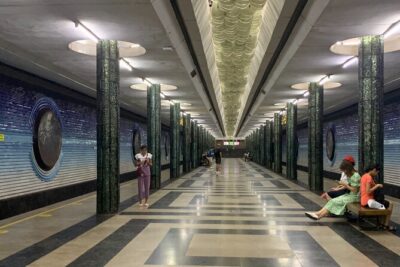
Browse the lists this tour appears in