
Review · TASHKENT TOURS
Tashkent Mahalla & Local Life Experience Day Tour
Skip the polished city tour for a while. This private Tashkent outing takes you into mahallas, the city’s traditional residential quarters, then links daily life with Islamic culture, craft, food, and family hospitality. You move from the Hazrati Imam complex to narrow lanes beside the Kalkauz canal, Chorsu Bazaar, and a working ceramics studio.
I like the personal scale of this tour and the way it connects places that are easy to visit but harder to understand alone. I also like the mix of sights: an old Quran, a handloom, fresh market food, and tea with hereditary ceramists. The main consideration is physical. You may walk up to 7 kilometers over five to six hours, and lunch or street food costs extra.
The $130 price is reasonable for a private car or minivan, an English-speaking guide, entrance tickets, hotel pickup, and a full half-day of local contact. Still, this is not a passive sightseeing ride. You need comfortable shoes, a little curiosity, and enough energy for uneven streets, market crowds, and a steady sequence of stops.
In This Review
- Key Points to Know Before You Go
- Why Mahallas Give You a Better Feel for Tashkent
- Starting at Hazrati Imam Around 9:00
- Tea, Textiles, and the Narrow Streets of the Mahalla
- Chorsu Bazaar: Food, Bargaining, and Everyday Tashkent
- Meeting the Rakhimov Family of Ceramists
- Is $130 a Fair Price for a Private Half-Day?
- Practical Advice for a Better Day
- Who Should Book This Tashkent Tour?
- Should You Book the Mahalla and Local Life Experience?
- FAQ
- How long does the Tashkent Mahalla and Local Life Experience last?
- What time does the tour begin?
- Is hotel pickup included?
- Is this a private tour?
- Are entrance tickets included?
- Is lunch included?
- How much walking is involved?
- Can the tour schedule change during religious holidays?
- What is the cancellation policy?
Key Points to Know Before You Go
- Mahalla walking: See a residential side of Tashkent along narrow streets and the historic Kalkauz canal.
- Hazrati Imam complex: Visit the Friday Mosque, Barak-Khan Madrassah, and one of the oldest Qurans in existence.
- Traditional textiles: Learn to recognize Uzbek fabric patterns and watch a working loom produce ikat and adras cloth.
- Chorsu Bazaar: Shop, bargain, and buy your own lunch or street food in Tashkent’s famous market.
- Family craft visit: Finish with tea and sweets at the Rakhimov family ceramics workshop.
- Private transport: Your group has its own guide and vehicle, with pickup and drop-off in central Tashkent.
Why Mahallas Give You a Better Feel for Tashkent
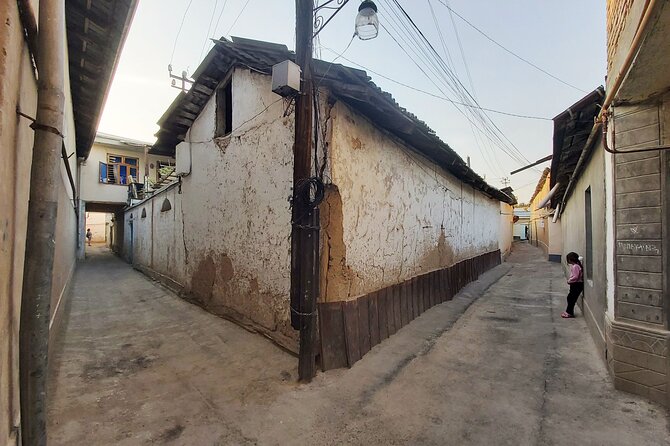
Tashkent has grand mosques, broad avenues, museums, and Soviet-era buildings. Those sights matter, but they do not show how much daily life happens behind the city’s high walls. A mahalla offers a different view: low-rise homes, small lanes, neighborhood routines, children playing, and older residents keeping an eye on the street.
The word mahalla refers to a local residential community. It is more than a collection of houses. It is a social unit where neighbors know one another and traditions remain part of ordinary life. The tour uses this setting to explain how family, religion, food, craft, and neighborhood ties fit together.
I like that the mahalla walk is not treated as a quick photo stop. You spend time moving through the area beside the Kalkauz canal, where the pace is slower than in central Tashkent. You might hear quail singing from behind a wall, see fresh bread coming from an oven, or notice a wedding celebration nearby. These details are not staged attractions, which is precisely why they can make the city feel more real.
You should also approach the walk respectfully. Residential areas are lived-in neighborhoods, not open-air museums. Follow your guide’s advice about photographs, keep your voice low around homes, and remember that the people you see are going about their day.
A few more options to weigh up in Tashkent
- Best of Tashkent Mountains: Amirsoy, Chimgan & Charvak Trip
★ 4.8 · 567 reviews - Samarkand One Day Tour – Departure From Tashkent
★ 5.0 · 313 reviews - Tashkent City Tour
★ 5.0 · 121 reviews
Starting at Hazrati Imam Around 9:00
The day begins at 9:00, when the guide and driver meet you at your hotel or another convenient location. Starting with a pickup saves you the trouble of arranging a taxi and gives you a clean beginning to a tightly planned half-day.
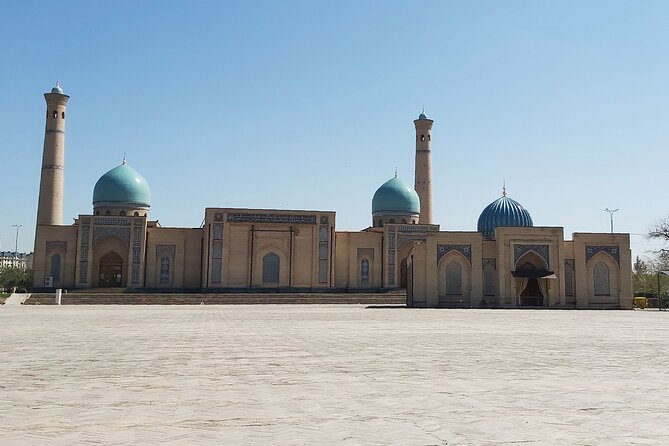
The first stop is the Hazrati Imam complex, a major religious and cultural center in Tashkent. The complex includes several places of worship, so your visit begins with the spiritual side of local life rather than with shopping or food.
At the Friday Mosque, you learn how prayer times shape the day for observant Muslims. This is useful context because religious practice in Uzbekistan is not separate from ordinary routines. It affects when people gather, how neighborhoods organize their time, and how major religious places function.
You then see one of the oldest Qurans in existence in a nearby building. The manuscript gives the visit a serious historical focus, while the mosque helps connect that history with present-day worship. The two parts work well together: one shows an important religious object, and the other shows a living place of prayer.
The Barak-Khan Madrassah follows. Its courtyards and traditional design may remind you of a smaller version of Samarkand’s Registan Square. It is not the same grand ensemble, but that comparison helps you place the architecture within the wider style of Uzbekistan.
Allow about an hour here. Religious sites require suitable behavior and clothing, and the order of visits may change during Friday prayers or Muslim holidays. That flexibility is practical, not a flaw. It helps the tour respect the function of these places instead of treating them as fixed museum rooms.
Tea, Textiles, and the Narrow Streets of the Mahalla
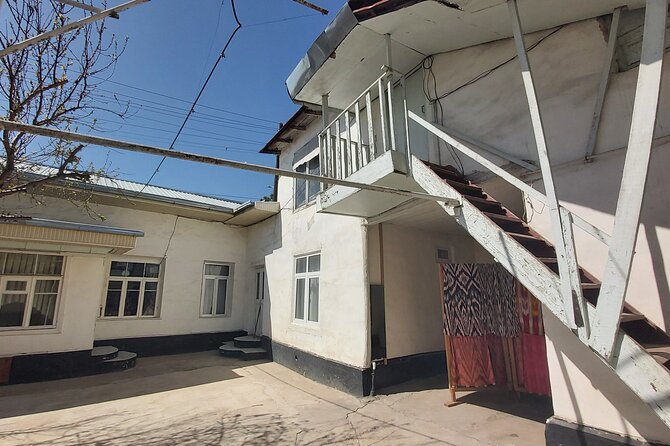
After Hazrati Imam, the tour moves into a residential mahalla and a traditional Tashkent house. This section is where the outing shifts from formal monuments to home life. The house gives you a chance to see how local traditions are tied to family space, domestic rituals, and neighborhood customs.
A nearby workshop focuses on traditional Uzbek fabrics. During a tea break, you learn about different fabric styles and ornaments connected with the Ferghana Valley, Shakhrisabz, and Boysun. This is a useful stop for anyone who plans to shop for textiles later, since patterns can carry regional clues rather than being mere decoration.
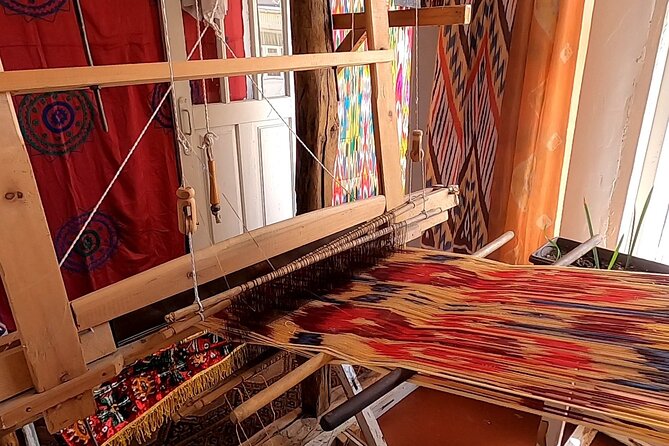
The working loom is the best part for many craft-minded visitors. You can see how ikat and adras fabrics are hand-woven, rather than encountering them only as finished scarves, jackets, or household goods. That small change in perspective makes later shopping more rewarding. You can ask what you are looking at and think more carefully about quality and origin.
Tea is part of the setting, not just a refreshment. Uzbek hospitality often takes place around a shared table, and the break gives you time to ask questions without the rush of a formal monument visit. It also provides a short pause before the walking section.
The mahalla walk continues along the narrow streets beside the Kalkauz canal. The total walking distance for the day can reach 7 kilometers, with short breaks included, so this is the point to pay attention to your pace. The tour is suitable for most people, but it is not a good match if you want to stay in the vehicle or avoid extended walking.
The main strength of this part is its ordinary character. There is no promise that every moment will produce a dramatic sight. Instead, you get a better sense of how Tashkent’s older residential quarters operate and why local life cannot be reduced to monuments.
Chorsu Bazaar: Food, Bargaining, and Everyday Tashkent
The Chorsu Bazaar brings you back into public life. For centuries, markets have been places where residents shop, meet, exchange news, and test their bargaining skills. Chorsu continues that role, with food stalls, commodity shops, and a street-food area.
The market is a good place to practice bargaining, but your guide is especially useful here. Prices, quantities, and product quality can be easier to judge with local help. You can ask what is worth buying, where to look for a particular item, and how much food to order.
The food section includes familiar Uzbek choices such as pilaf and barbecue, along with other street foods. Lunch is not included, so bring some cash for anything you want to taste. This arrangement gives you freedom, but it also means the final cost depends on your appetite and shopping habits.
I like the way Chorsu follows the quieter mahalla section. First, you see where people live. Then you see where they shop, eat, meet, and negotiate. The contrast helps explain Tashkent as a working city rather than a string of monuments.
Give yourself room to enjoy the bazaar without rushing. The planned visit lasts about an hour and a half, which is enough for a look around and some food, though serious shoppers may want more time. Since the full tour lasts only five to six hours, you should decide in advance if your priority is tasting, buying, or simply watching the market at work.
The drawback is familiar with any busy market: it can be crowded, noisy, and tiring after the morning walk. If you want a quiet, polished lunch, this will not be your setting. If you want a direct look at local commerce, it is one of the stronger stops.
A completely different kind of day:
- Amirsoy, Chimgan & Charvak Full-Day Adventure
★ 4.9 · 82 reviews - Shymkent Day Tour from Tashkent
★ 4.6 · 71 reviews - Highlights of Tashkent (old and new part)
★ 5.0 · 60 reviews - 2 Days Tour to Bukhara and Samarkand from Tashkent by train
★ 5.0 · 53 reviews
Meeting the Rakhimov Family of Ceramists
The final stop is the Rakhimov family ceramics workshop, a home-based studio run by hereditary ceramists. The setting combines a workshop, a small courtyard garden, and an exhibition hall for the family’s work.
You can walk through the workshop, see the finished pieces, and speak with the master over tea and oriental sweets. That personal contact is more useful than simply entering a shop filled with souvenirs. You get a chance to ask how the objects are made, how the family’s craft has been passed down, and what makes one piece different from another.
The visit lasts about 45 minutes, so it works as a calm ending after the market. Ceramics also provide another way to understand regional culture. The shapes, colors, and patterns on a bowl or plate can carry a sense of place, just as textile designs do.
This is a good stop if you enjoy buying useful souvenirs rather than generic trinkets. You are not required to purchase anything, but an exhibition hall and direct access to the makers make it easier to choose thoughtfully. Keep in mind that the tour information does not specify prices, shipping, or payment methods, so ask the workshop or guide if you are considering a purchase.
After the visit, the driver and guide return you to your hotel or another convenient location in central Tashkent. The ending is practical and keeps you from having to find your own way back after a long walk.
Is $130 a Fair Price for a Private Half-Day?
At $130 per person, this tour costs more than joining a large city sightseeing group. The difference is privacy and organization. Only your group takes part, and you have a professional English-speaking local guide, a driver, vehicle transfers, and admission tickets covered in the price.
For a solo visitor, the cost may feel high. For two or more people, the private format becomes easier to justify, especially if you value hotel pickup, flexible conversation, and a guide who can explain social details as they arise. Group discounts may also reduce the per-person cost.
The price does not include lunch, dinner, street food, accommodation, or tips. Tips are not mandatory but are warmly welcomed. Plan for your market food separately, and remember that shopping at Chorsu or the ceramics workshop is entirely optional.
The tour’s strongest value comes from access and interpretation. You could visit Chorsu Bazaar and Hazrati Imam independently, but the mahalla home, textile workshop, and family ceramics studio add local contact that is harder to arrange on your own. You are paying not only for transport but also for the connections between the stops.
The operator is Irene Plus Travel LLC. Mikhail has been praised for responsive help with Uzbekistan travel arrangements by email and messages, which may be useful if you are building a larger trip around this day.
Practical Advice for a Better Day
Wear comfortable shoes. The walk can reach 7 kilometers, and short breaks do not remove the need for steady footwear. Carry water, especially if the weather is warm, and leave some appetite for the bazaar.
Dress respectfully for the mosque and madrassah. The tour may adjust its order around Friday prayer times or Muslim holidays, so do not worry if the schedule changes during the day.
The experience requires good weather. If poor conditions cancel the tour, you can receive a different date or a full refund. Standard cancellation allows a full refund when you cancel at least 24 hours before the start time. Changes or cancellations inside that window are not accepted, and late cancellations are not refunded.
Confirmation normally arrives at booking. If you reserve within two hours of departure, confirmation comes as soon as possible and depends on availability. Service animals are allowed, and the tour is near public transportation, though the included pickup makes that less important.
Most people can take part, but the walking requirement matters more than the general participation note. If you have limited mobility, ask for details before booking rather than assuming the private vehicle removes all walking.
Who Should Book This Tashkent Tour?
I would choose this tour if you want more than the usual monuments and museums. It suits first-time visitors who want an organized introduction to Tashkent, craft lovers interested in textiles and ceramics, and food-minded visitors who enjoy choosing lunch at a market.
It also suits you if you like asking questions. The tea breaks, home visit, and workshop conversations create natural moments for discussion. A private group makes that easier than a large coach tour.
You may want another option if your main goal is a long, leisurely bazaar visit, a full meal, or a slow architectural tour. The schedule covers several different settings, so each stop gets a focused visit rather than an entire afternoon.
Should You Book the Mahalla and Local Life Experience?
Book it if you want Tashkent explained through its people, neighborhoods, food, and crafts. The Hazrati Imam complex supplies the religious setting, the mahalla shows residential life, Chorsu provides the public market, and the Rakhimov workshop ends the day with a family craft tradition.
The best reason to go is the combination. You do not simply look at old buildings or buy souvenirs. You see how prayer, home life, textiles, food, bargaining, and handmade objects fit into one city.
Skip it if you dislike walking or prefer a relaxed schedule with long meals and few stops. For everyone else, this is a well-organized way to get beyond Tashkent’s main sights without giving up the convenience of private transport and a hotel return.
FAQ
How long does the Tashkent Mahalla and Local Life Experience last?
The tour lasts approximately five to six hours, including the planned visits and walking sections.
What time does the tour begin?
The guide and driver meet you at 9:00 at your hotel or another convenient location.
Is hotel pickup included?
Yes. Pickup is offered, and the driver and guide return you to your hotel or another convenient place in central Tashkent at the end.
Is this a private tour?
Yes. Only your group participates in the activity.
Are entrance tickets included?
Yes. Entrance tickets for the listed attractions are included unless otherwise specified. Chorsu Bazaar has no admission charge.
Is lunch included?
No. Lunch, dinner, and street food are not included. You can buy food at Chorsu Bazaar during the market visit.
How much walking is involved?
The total distance can be up to 7 kilometers, including short breaks. The tour requires enough physical fitness for walking through the mahalla and other areas.
Can the tour schedule change during religious holidays?
Yes. The order and timing of religious-site visits may change because of Friday prayer times or Muslim holidays.
What is the cancellation policy?
You can cancel at least 24 hours before the local start time for a full refund. Cancellations or changes made less than 24 hours before the start time are not accepted, and late cancellations are not refunded. If bad weather cancels the tour, you can receive another date or a full refund.
Just added in Tashkent
- Uzbekistan and Tajikistan 9-Day Tour★ 5.0 · 1 review
- Tashkent International Airport (TAS) to Tashkent – Arrival Private Transfer★ 5.0 · 2 reviews
- Uzbek Brews & Views: Tashkent Craft Beer Discovery Tour★ 5.0 · 2 reviews
- 8-Day Private Tour in Uzbekistan with Pick Up★ 5.0 · 2 reviews
- Uzbekistan Tour – 6 Days 5 Nights★ 5.0 · 4 reviews
- Uzbekistan Private Tour 6 Days★ 5.0 · 1 review
- Tashkent to Tashkent International Airport (TAS) – Departure Private Transfer★ 5.0 · 1 review
- Full Day Private Tour to Fergana Valley from Tashkent★ 5.0 · 1 review
Tashkent Tours, compared.
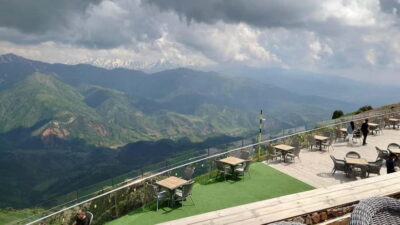
Best of Tashkent Mountains: Amirsoy, Chimgan & Charvak Trip
Read our review →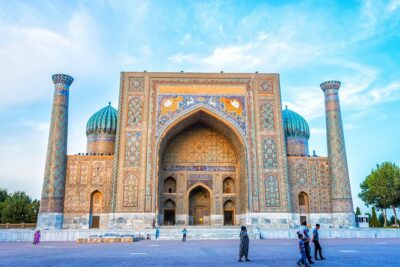
Samarkand One Day Tour – Departure From Tashkent
Read our review →
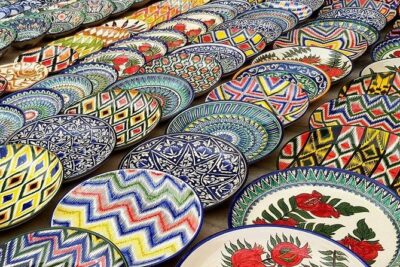
2 Days Tour to Bukhara and Samarkand from Tashkent by train
Read our review →
Uzbekistan 6 days private tour Tas-Khiva-Buk-Sam-Tas
Read our review →
Uzbekistan 8 Days Private Tour Tashkent-Urgench-Bukhara-Samarkand-Tashkent
Read our review →Browse the lists this tour appears in