
Review · TASHKENT TOURS
Uzbekistan in 7 days Tashkent, Samarkand, Bukhara and Khiva
Silk Road cities reward a fast, focused trip. This Uzbekistan program packs Tashkent, Samarkand, Bukhara and Khiva into six numbered days, using high-speed trains where possible and local guides in each city. I like the inclusion of both grand monuments and everyday places such as Chorsu and Siab bazaars. I also like that the $1,250 price includes hotels, breakfasts, train tickets, transfers, transport, excursions and monument entrance fees.
The main caution is the pace. You cover a huge amount of ground, including a six- to seven-hour train journey from Bukhara toward Khiva. The schedule is also labeled a seven-day trip but lists Days 1 through 6, so confirm the exact arrival and departure arrangements before paying.
In This Review
- Key points to know before booking
- What this Uzbekistan route does well
- Day 1: Arrival and a soft landing in Tashkent
- Day 2: Tashkent from Hazrati Imam to modern city parks
- Day 3: Samarkand’s grand monuments and local market
- Day 4: Bukhara’s domes, fortress and quiet courtyards
- Day 5: The long rail crossing toward Khiva
- Day 6: Khiva inside the walls of Itchan Kala
- What the $1,250 price includes, and what it does not
- Guides, communication and the human side of the trip
- Who should book this route?
- Cancellation and practical details
- FAQ
- How long does the tour last?
- Which cities are included?
- Are train tickets included?
- Are hotels and meals included?
- What is the group size?
- Can I cancel for a full refund?
- Should you book this Uzbekistan tour?
Key points to know before booking
- Four major Uzbek cities in one trip: You see the country’s principal historic centers without arranging separate hotels, trains and guides yourself.
- High-speed Afrosiyob trains: Tashkent to Samarkand takes about 2 hours 15 minutes, while Samarkand to Bukhara takes about 1 hour 30 minutes.
- A full day in Tashkent: The capital’s old quarter, museums, monuments, bazaar and modern city center all appear on one packed sightseeing day.
- Khiva’s walled Itchan Kala: The final touring day focuses on minarets, madrasahs, mausoleums, palaces and the unusual Juma Mosque.
- Personal support from Assalam Travel: Sayeed and his team are praised for checking on arrangements and helping with safety, comfort and daily coordination.
- Good package value, with a demanding route: The price covers many costly basics, but the long Bukhara to Khiva train ride is the tradeoff for seeing all four cities.
What this Uzbekistan route does well
I like the basic design. Uzbekistan’s key sights are spread across a wide area, and arranging this route independently means managing train tickets, station transfers, hotels, local transportation and entry fees in several cities. Here, those pieces are bundled together.
The program also gives you different kinds of experiences. Tashkent provides a modern capital and working markets. Samarkand delivers the famous monumental architecture. Bukhara is more intimate, with domes, lanes and old trading centers. Khiva feels like a preserved walled town where the sights are close together.
The route is not a leisurely vacation. Day 2 in Tashkent contains nine stops, and the historic centers of Samarkand and Bukhara are also covered at a brisk pace. If you prefer long café breaks, unplanned wandering and slow museum visits, this schedule may feel tight. If you have only one week and want the major picture, it makes practical sense.
A strong feature is the local support. Sayeed and his team receive repeated praise for staying in contact, organizing transport and paying attention to safety and comfort. One pair of women specifically found the arrangements reassuring, and another visitor appreciated receiving daily contact even though the local guides differed from city to city.
A few more options to weigh up in Tashkent
- Best of Tashkent Mountains: Amirsoy, Chimgan & Charvak Trip
★ 4.8 · 567 reviews - Samarkand One Day Tour – Departure From Tashkent
★ 5.0 · 313 reviews - Tashkent City Tour
★ 5.0 · 121 reviews
Day 1: Arrival and a soft landing in Tashkent
The first day is simple: airport or arrival transfer, hotel check-in and time to settle in. Sightseeing begins the next day.
That pause matters. Tashkent is the entry point for most versions of this route, and you will want time to recover before a full day of mosques, museums, squares and markets. The package includes accommodation in three- or four-star hotels, but the supplied details do not name the properties. Ask where the hotel is located, especially if you want to walk out for dinner or explore independently.
The schedule calls itself seven days but provides six numbered days. This may reflect an arrival or departure day not shown in the detailed plan. Get the full calendar in writing, including the final departure transfer and the number of hotel nights.
Day 2: Tashkent from Hazrati Imam to modern city parks
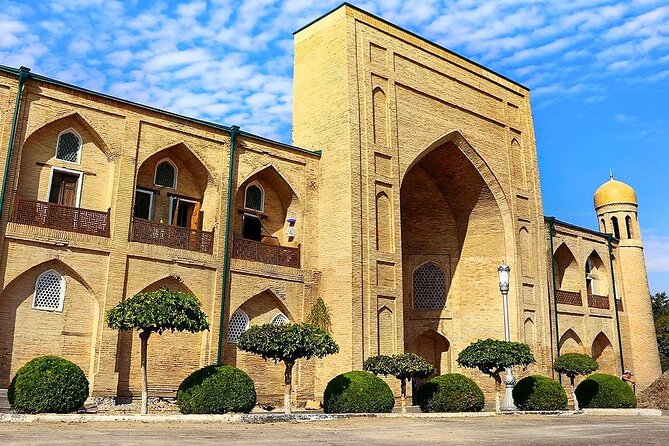
Tashkent’s sightseeing day begins in the old city at the Hazrati Imam Complex. The Barak-Khan Madrasa gives you a first look at the decorative tilework and religious architecture that will appear throughout the trip. You have about 90 minutes here, enough for a guided introduction without spending half the day at one site.
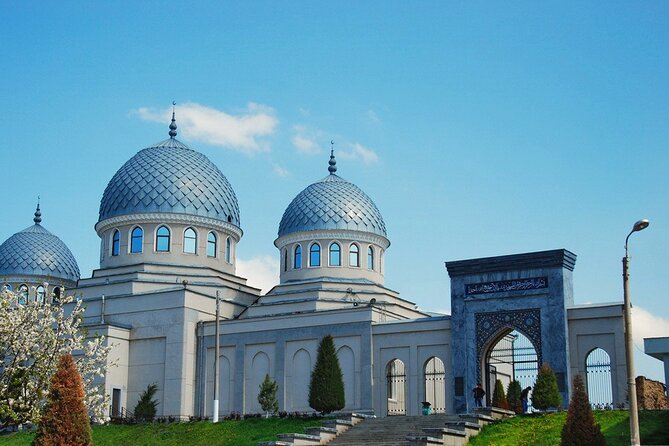
The Dzhuma Mosque follows, with 45 minutes to see its wooden columns and traditional design. The Abdulkasym Medrese adds another 45-minute stop near Hazrati Imam Square. These early visits work well together because they show Tashkent’s religious and educational heritage before the day shifts toward markets and civic spaces.
Next comes Chorsu Bazaar, one of the most useful stops for understanding daily life. The huge blue dome is easy to recognize, but the real appeal is inside, where you can look at produce, spices, nuts, sweets and other local goods. I would save room for a small purchase here and keep some Uzbek currency handy if you want to shop, although the tour details do not specify accepted payment methods.
The afternoon changes tone at Amir Timur Square and Independence Square. Amir Timur’s equestrian statue anchors the first, while Independence Square includes the Monument of Independence, an Eternal Flame and fountains. These are formal public spaces, so do not expect the intimate atmosphere of Bukhara or Khiva. They do, however, help explain how modern Uzbekistan presents its national identity.
Tashkent City Park then offers a look at the capital’s newer side, with modern buildings, cafés and designed pedestrian areas. Forty-five minutes is enough for a walk and photographs, but not for an extended meal unless the schedule allows flexibility.
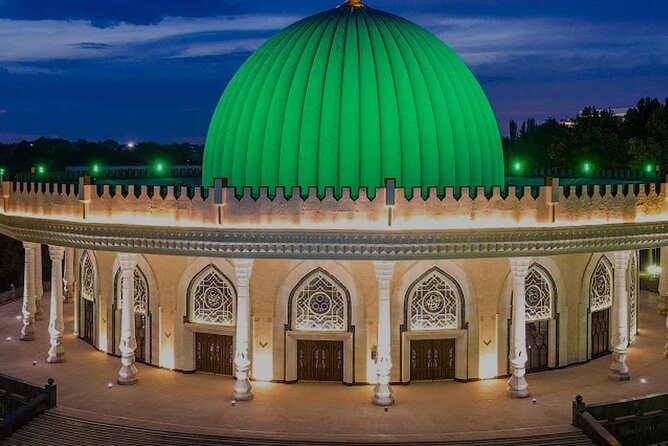
The final two stops are museums. The State Museum of Applied Art occupies an old mansion decorated with ceramics, carved wood and textiles. This is one of the better places to see the skill behind Uzbek decorative traditions rather than only seeing architecture from the outside. The Amir Timur Museum, with its large dome and exhibits about the ruler, closes the day with a more formal historical presentation.
This is an ambitious day. The nine stops total more than eight hours of listed sightseeing, before meals and transfers. Wear comfortable shoes, keep water with you and expect the guide to manage the rhythm closely. The advantage is breadth. The drawback is that some stops may feel like introductions rather than full visits.
Day 3: Samarkand’s grand monuments and local market
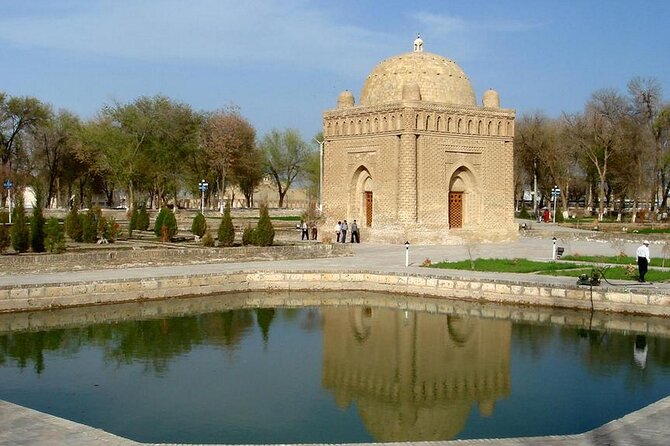
You leave Tashkent for Samarkand on the Afrosiyob high-speed train. The journey takes about 2 hours 15 minutes, a far more pleasant option than a long road transfer. Train tickets are included, which is valuable because the rail connection is central to making this route work.
After hotel check-in and a short rest, the program begins at the Gur Emir Mausoleum. The blue-domed tomb is closely linked with Amir Timur and his dynasty. Forty minutes gives you time to hear the basic story, look closely at the interior decoration and appreciate the building before moving on.
Then comes Registan Square, the sight most people picture when they think of Samarkand. Three grand madrasahs frame the square with mosaics, domes and tall minarets. One hour is enough to grasp the design and visit the main areas, though anyone interested in tilework or architecture could easily spend longer here. Try to notice the contrast between the three façades instead of treating the square as one single monument.
Shah-i-Zinda is more intimate and often more visually detailed. Its avenue of mausoleums is lined with blue tilework, and the site carries strong religious meaning. The 50-minute visit should allow time for photographs and a walk through the main passage, but modest clothing and respectful behavior are important at a sacred complex.
At the Ulugh Beg Observatory, you see the remains of a giant sextant and learn about Ulugh Beg as both ruler and astronomer. This stop adds welcome variety. Samarkand is not only about domes and royal power; it also had a serious scientific tradition.
Bibi-Khanym Mosque returns you to monumental scale. Its huge domes and courtyard show the ambition of the Timurid period, though the 45-minute stop is again fairly short. Nearby Siab Bazaar is a good practical finish. You can look at fruit, spices, nuts and sweets, and see how food shopping connects the modern city to the old center.
Samarkand is the day when the route’s visual impact is strongest. It is also another demanding schedule, with six stops after the train ride. I would prioritize Registan, Shah-i-Zinda and Gur Emir if an unexpected delay forces a change.
A completely different kind of day:
- Amirsoy, Chimgan & Charvak Full-Day Adventure
★ 4.9 · 82 reviews - Shymkent Day Tour from Tashkent
★ 4.6 · 71 reviews - Highlights of Tashkent (old and new part)
★ 5.0 · 60 reviews - 2 Days Tour to Bukhara and Samarkand from Tashkent by train
★ 5.0 · 53 reviews
Day 4: Bukhara’s domes, fortress and quiet courtyards
The train from Samarkand to Bukhara takes about 1 hour 30 minutes. That short ride keeps the route moving without consuming the day. After checking into the hotel and resting, you begin at Lyab-i-Hauz, a pleasant square built around a historic pool.
Lyab-i-Hauz gives Bukhara a different feel from Samarkand. The setting is less monumental and more social, with shade, seating and surrounding buildings. It is a good place to slow down briefly and let the city’s scale sink in.
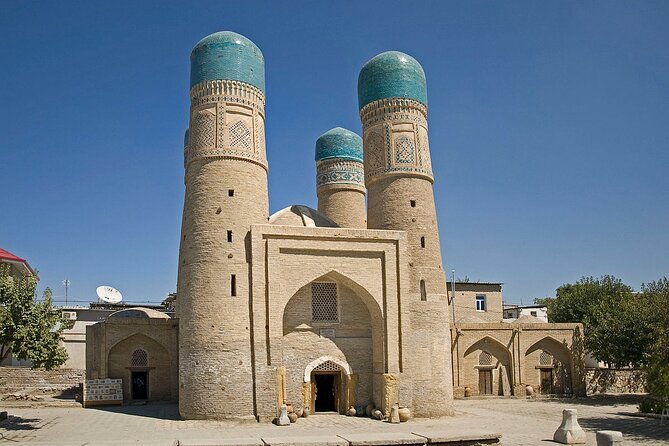
Chor Minor is one of Bukhara’s most recognizable small monuments. Its four blue-domed towers make it especially photogenic, and the program includes a chance to climb to the roof for a wider view. The staircase and rooftop may not suit everyone, so take care if you dislike narrow or steep access.
The old trading domes follow. These covered market structures once served merchants selling silk, spices and jewelry. Today they are geared toward shopping and souvenirs, but the buildings still explain how commerce shaped Bukhara. This is a useful place to compare prices and look for local craftwork without feeling pressured to buy.
The Great Minaret of the Kalon is one of Bukhara’s signature sights. The itinerary gives about 50 minutes in this area, which also includes the Kalon setting and nearby monuments. The description repeats the trading-domes explanation for this stop, so ask your guide to clarify exactly which buildings are included in the visit.
The Ulugh Beg and Abdullazizkhan madrasahs face one another and show different decorative styles. The first is more restrained, while the second has more elaborate ornament. Fifty minutes gives you time to compare them, which is more useful than treating each as an isolated photo stop.
The Ark of Bukhara is a major change of scale. This fortress once housed the rulers of Bukhara, and you can walk through its courtyards, walls and museum areas. One hour is a reasonable introduction, though the site covers a lot of ground and the amount you see may depend on which sections are open.
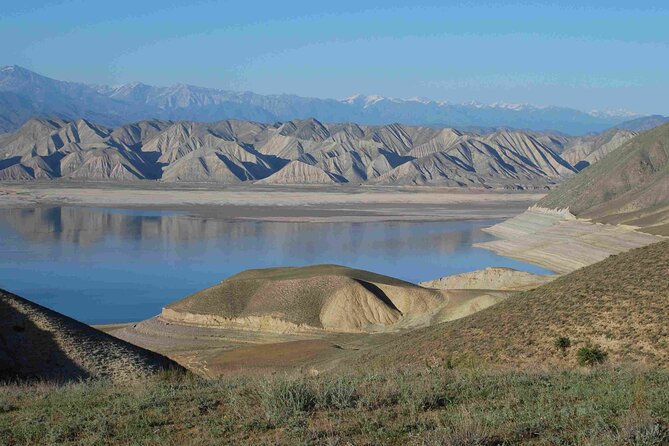
The Ismail Samani Mausoleum closes the day with a very different kind of beauty. Built in the tenth century from baked bricks, it uses geometric patterns rather than bright glazed tile. The 30-minute visit is brief, but enough to see why this small building matters.
Bukhara may be the most rewarding city for slow walkers, yet this plan still moves quickly. If you can arrange a little free time, use it around Lyab-i-Hauz or the trading domes. Ask the operator if the schedule allows it, since the package is described as flexible and customizable.
Day 5: The long rail crossing toward Khiva
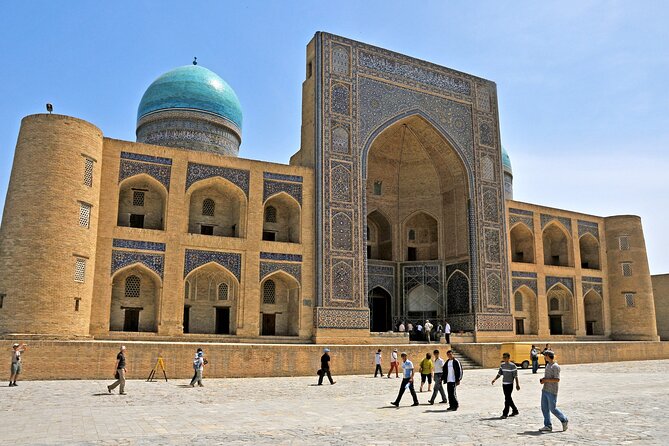
The fifth day is the route’s hardest logistical stretch. You take a train from Bukhara toward Khiva, with a stated journey of six to seven hours and a stop at the Amu Darya River.
The Amu Darya is one of Central Asia’s major rivers, flowing through several countries including Uzbekistan. Here it is less a conventional sightseeing stop than a geographic marker on a long crossing. The schedule lists six hours for this portion, so prepare for a day centered on transport rather than monuments.
This is where the four-city plan asks for patience. High-speed rail makes the first two transfers easy, but the Bukhara to Khiva section is much longer. The supplied schedule does not provide detailed stop times, meal arrangements or the exact evening plan, so ask about those points before booking.
I would carry snacks, water and entertainment for the train. Those are practical suggestions rather than included services, since the package specifically lists breakfast but does not promise lunch or dinner. Confirm how luggage is handled and when you reach your Khiva hotel.
Day 6: Khiva inside the walls of Itchan Kala
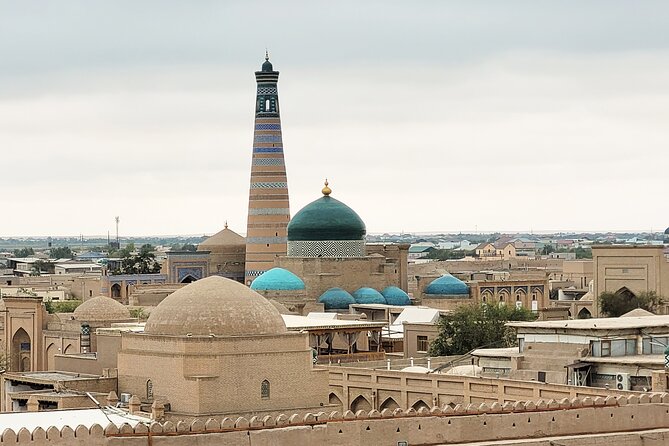
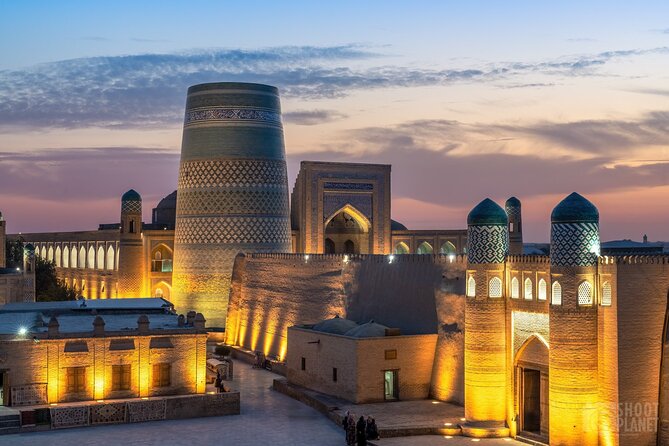
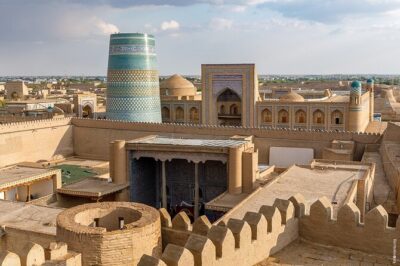
Khiva’s old town, Itchan Kala, is the kind of place where the setting does much of the work. The program begins with a two-hour introduction that includes the watchtower, city views and the famous Kalta Minor Minaret. From above, you get a helpful sense of the compact walled center.
Muhammad Amin Khan Madrasa, built between 1851 and 1854, is the largest madrasah in Khiva. Its size helps you understand the political and religious importance of the city during the khanate period. The visit lasts about 30 minutes.
Kalta Minor is memorable because it was never finished. Muhammad Amin Khan began the minaret in 1851 with plans for a much taller structure, but construction stopped. Its broad, colorful form is unlike a completed needle-thin minaret and makes one of the best photographs in Khiva.
The Pahlavan Mahmoud Mausoleum is one of the city’s most sacred places. Thirty minutes allows a respectful visit, but your guide may emphasize local customs and appropriate conduct. This is not simply another decorated building, so give the religious setting proper attention.
The Islam Khodja Complex includes Khiva’s tallest minaret. You have the option to climb its narrow spiral staircase for a view over Itchan Kala. The climb is optional and may be difficult if you are uncomfortable with tight stairs, but the view is a major reason to consider it.
The Juma Mosque is one of Khiva’s most unusual interiors, with 213 carved wooden columns. Some are said to date to the tenth century. The forest of columns gives the mosque a quiet, distinctive character, quite different from the open courtyards and towering façades seen earlier in the trip.
Tash Hauli, or the Stone Palace, was a private residence of Khiva’s rulers. You see the palace, harem and courtyards, with the guide explaining how the complex served the khan’s household. The subject matter can be stark, so it is worth listening for the difference between palace decoration and the lives of the people who lived there.
The final stop is the Allakuli Khan Caravanserai and Tim Market. This nineteenth-century marketplace once served Silk Road merchants and now contains souvenir shops. It is a fitting ending because it links Khiva’s commercial past with the modern business of local crafts.
Khiva’s sights are concentrated inside the old city, which makes the day easier to follow than Tashkent’s spread-out program. Still, there are eight stops. Choose your footwear carefully, and leave time for the minaret climb only if you are comfortable with the stairs.
What the $1,250 price includes, and what it does not
At $1,250 per person, this is not a bare sightseeing package. The price includes three- or four-star hotel accommodation, breakfast, train tickets, transfers, transportation, guided excursions and entrance fees to historical monuments.
That bundle has real value in Uzbekistan. Four cities mean multiple check-ins and several transport legs, and the included Afrosiyob tickets remove one of the most important planning jobs. You are also paying for local coordination, which matters most on the long route to Khiva.
The published details do not say that international flights, lunches, dinners, personal purchases or optional expenses are included. Do not assume they are. Ask for a written list of inclusions and exclusions, plus the hotel names and room arrangements.
The group limit is 25 people. That is small enough for an organized tour but not necessarily intimate. The experience may feel different depending on the number of bookings and the guide assigned in each city.
Guides, communication and the human side of the trip
The strongest praise centers on care and organization. Sayeed and his team are credited with looking after people from arrival through departure, contacting them daily and helping them feel safe and comfortable.
One important detail is that the tour uses guides in each city rather than one guide accompanying you throughout. That can be a benefit because local guides know their own monuments, but the quality and style may vary. One account specifically found the service different from person to person while still appreciating the operator’s daily contact.
The agency has also received praise from two women traveling together who felt safe throughout the route. That is useful information for solo women and pairs, though no tour can remove every normal travel concern. Keep the operator’s contact details available and confirm each day’s meeting time with the current guide.
Who should book this route?
I would recommend it to a first-time visitor who wants the main Uzbek sights in one short holiday and prefers help with trains, hotels and transfers. It also suits anyone who values historic monuments but wants markets, modern Tashkent and local shopping included.
It is less suitable for you if you need a slow pace, extended museum time or several free afternoons. The nine-stop Tashkent day and the six- to seven-hour Bukhara to Khiva train ride require energy.
The tour’s flexibility is a useful advantage. The operator says arrangements can be customized around your preferences and plans. Ask about changing the number of nights, adding rest time or adjusting the sightseeing order before you book, rather than assuming the standard schedule will change automatically.
Cancellation and practical details
Free cancellation is available up to 24 hours before the experience begins for a full refund. Changes or cancellations made less than 24 hours before the start time are not accepted or refunded, and cut-off times use Uzbekistan’s local time.
Confirmation is provided when you book. The meeting arrangements offer pickup, and the activity is near public transportation. Most people can take part, but the narrow staircase at Islam Khodja and possible rooftop access at Chor Minor may require extra care.
FAQ
How long does the tour last?
The detailed schedule lists six numbered days, although the experience title refers to seven days. Confirm the exact arrival and departure dates with Assalam Travel before booking.
Which cities are included?
The route includes Tashkent, Samarkand, Bukhara and Khiva.
Are train tickets included?
Yes. The package includes train tickets, including the Afrosiyob journeys from Tashkent to Samarkand and Samarkand to Bukhara.
Are hotels and meals included?
Three- or four-star hotel accommodation and breakfast are included. The provided details do not state that lunch or dinner is included.
What is the group size?
The maximum group size is 25 people.
Can I cancel for a full refund?
Yes, if you cancel at least 24 hours before the experience start time. Cancellations made less than 24 hours in advance are not refunded.
Should you book this Uzbekistan tour?
Book it if your priority is coverage. For $1,250, you get the major cities, rail travel, hotels, breakfast, local transport, guides and entrance fees in one organized package. The daily contact from Sayeed and his team is another plus, especially if you want reassurance while moving between cities.
Think twice if you want a relaxed holiday. This is a fast route with a very full Tashkent day and a long train crossing before Khiva. Confirm the seven-day versus six-day wording, ask for the hotel and meal details, and request any slower pacing before booking. If those points suit you, this is a practical way to get a strong first look at Uzbekistan in a single week.
Just added in Tashkent
- Uzbekistan and Tajikistan 9-Day Tour★ 5.0 · 1 review
- Tashkent International Airport (TAS) to Tashkent – Arrival Private Transfer★ 5.0 · 2 reviews
- Uzbek Brews & Views: Tashkent Craft Beer Discovery Tour★ 5.0 · 2 reviews
- 8-Day Private Tour in Uzbekistan with Pick Up★ 5.0 · 2 reviews
- Uzbekistan Tour – 6 Days 5 Nights★ 5.0 · 4 reviews
- Uzbekistan Private Tour 6 Days★ 5.0 · 1 review
- Tashkent to Tashkent International Airport (TAS) – Departure Private Transfer★ 5.0 · 1 review
- Full Day Private Tour to Fergana Valley from Tashkent★ 5.0 · 1 review
Tashkent Tours, compared.
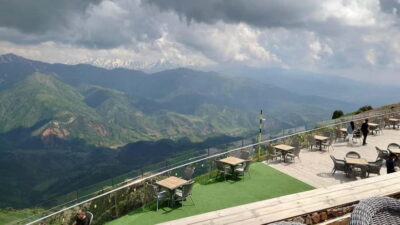
Best of Tashkent Mountains: Amirsoy, Chimgan & Charvak Trip
Read our review →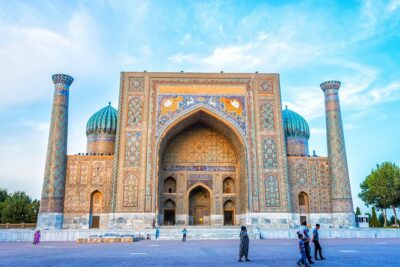
Samarkand One Day Tour – Departure From Tashkent
Read our review →
2 Days Tour to Bukhara and Samarkand from Tashkent by train
Read our review →
Uzbekistan 6 days private tour Tas-Khiva-Buk-Sam-Tas
Read our review →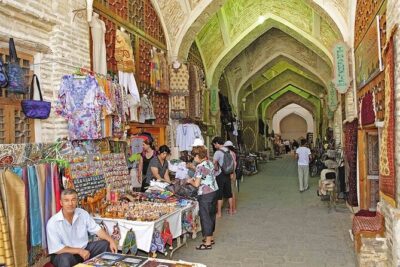
Uzbekistan 8 Days Private Tour Tashkent-Urgench-Bukhara-Samarkand-Tashkent
Read our review →Browse the lists this tour appears in