
Review · COOKING CLASSES IN SAMARKAND
Cooking class of Samarkand Plov and Uzbek bread – Nan, Samsa
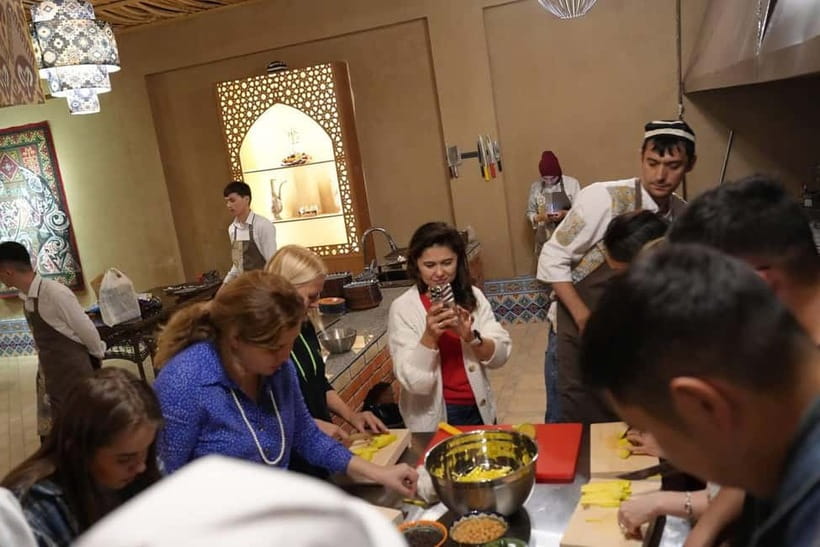
Good food makes Samarkand feel closer. At Traditions House, you spend four hours learning to prepare plov, Nan bread, Samsa, and Achichuk salad, then sit down to eat what you made. I like the focus on hands-on cooking and the chance to explore Uzbek food traditions through a local class rather than only ordering dishes in a restaurant.
I also like that this is a private-group experience with several language options, including English, Russian, Italian, Spanish, German, French, and Chinese. The main drawback is the $160 price per person, which is a serious cost for a cooking class, and transport to Traditions House is not included. English interpretation may also require an extra fee unless arranged in advance.
In This Review
- Key Things to Know Before You Book
- Arriving at Traditions House in Samarkand
- Learning the Logic of Samarkand Plov
- Nan Bread and the Pleasure of Making Samsa
- Making Achichuk, a Fresh Uzbek Salad
- A Four-Hour Class With Lunch Included
- Language, Group Size, and Teaching Style
- Is $160 Per Person Fair Value?
- The Setting and What the Visit Adds to Samarkand
- Who Will Enjoy This Class Most?
- Booking Advice and Cancellation Terms
- Should You Book the Samarkand Plov Class?
- FAQ
- Where does the cooking class take place?
- How long does the experience last?
- Which dishes will I learn to prepare?
- Is lunch included?
- Is transportation included?
- Can I cancel for a refund?
Key Things to Know Before You Book
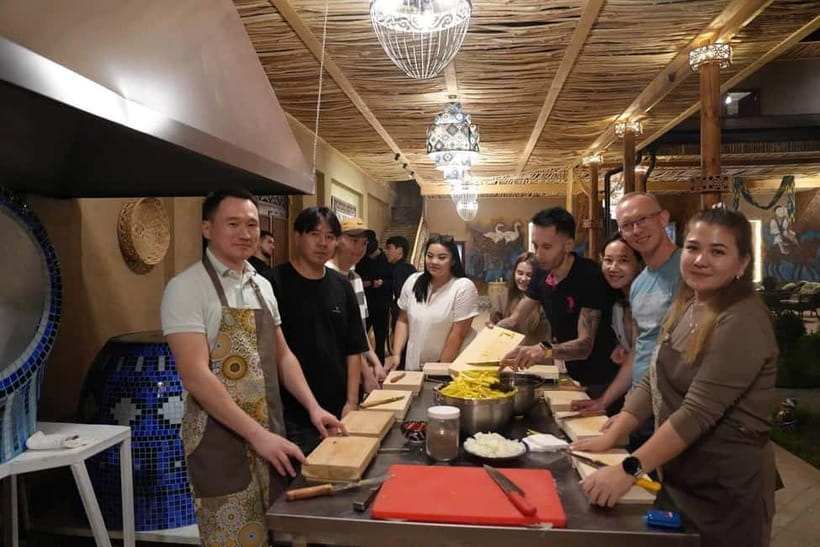
- You prepare four Uzbek specialties: Samarkand plov, Nan bread, Samsa, and Achichuk salad.
- The class lasts four hours: That includes cooking, lunch, free time, and the food you prepare.
- Traditions House is outside the main sightseeing rhythm: One visitor called Traditions Square a little out of the way, but well worth the visit.
- The meal is part of the experience: You eat the plov, salad, bread, Samsa, seasonal fruit, and drink tea or soft drinks.
- The group is private: This suits families, couples, and small groups that want a more personal class.
- Extra craft classes are available: Handmade arts can be added for an additional fee.
Arriving at Traditions House in Samarkand
Your meeting point is Traditions House in Samarkand. The experience begins and ends in the city, but transfers are not part of the price, so you need to arrange your own way there and back.
That detail matters more than it may seem. Samarkand is easy to picture as a city of grand monuments, tiled courtyards, and busy sightseeing days. A cooking class at Traditions House gives you a different setting, but you should allow enough time to reach the meeting point. The location has been described as a little out of the way, so do not treat it as a quick stop between two central attractions without checking your schedule.
The setting is designed for classes and cultural activities. You can expect a comfortable place to cook, with room for the food lesson and the shared meal afterward. Handmade arts classes may also be available for an extra fee, which gives you another way to spend time there if you want more than the cooking portion.
More Cooking Classes in Samarkand
- Samarkand: Village Tour with Plov Cooking Class & Home Visit
★ 5.0 · 29 reviews - Samarkand: Uzbek Cooking Class in a Village Home
★ 5.0 · 22 reviews - Cooking class in Samarkand with local life experience
★ 5.0 · 19 reviews
Learning the Logic of Samarkand Plov
Plov is the main event. In Uzbekistan, this rice dish is far more than a simple lunch. It is linked to hospitality, family meals, celebrations, and national pride. Learning to prepare it gives you a better sense of why it appears so often on Uzbek menus.
The class focuses specifically on Samarkand plov. The regional style is part of what makes this more useful than a generic rice cooking lesson. You are not simply watching a chef prepare food in the background. You take part in the process, with the instructor guiding you through the preparation before you eat the finished dish.
The supplied information does not give the exact recipe, ingredient list, cooking equipment, or chef’s name, so you should not expect a detailed menu in advance. Still, the central promise is clear: you will learn the method for preparing Samarkand pilaf and then have it for lunch.
I especially like the practical value here. Once you return home, you should have a better chance of recreating the dish than if you had only eaten plov at a restaurant. The class also helps you understand the work behind a dish that can look deceptively simple on the plate.
Nan Bread and the Pleasure of Making Samsa
The bread portion covers Uzbek Nan, the round bread that accompanies many meals. Bread is included with lunch, but the important point is that you also learn how to prepare it. That gives the class a broader scope than a plov-only experience.
You also make Samsa, a filled pastry that is often associated with Uzbek street food and bakery counters. The name appears as both Samsa and Somsa in the activity details, but it refers to the same Uzbek pastry tradition. The lesson lets you work with another type of dough and another cooking method, giving you a useful contrast with Nan.
The exact fillings and shaping process are not specified. That is worth keeping in mind if you have allergies or strong dietary requirements. Ask the provider before booking if you need to know the ingredients or want to request a particular preparation.
The bread and pastry lessons are likely to be especially satisfying if you enjoy working with your hands. Plov involves timing and coordination, while Nan and Samsa add shaping and baking skills. Together, the dishes make the class feel like a proper Uzbek meal rather than a single recipe demonstration.
Making Achichuk, a Fresh Uzbek Salad
Achichuk is the lighter part of the menu. The class includes instruction for preparing this traditional salad, which is served with the plov and other dishes.
Its role is important. Plov is filling and rich, while a fresh salad adds contrast to the plate. Learning Achichuk also gives you a recipe that may be easier to repeat at home than a large pot of plov or handmade pastry.
The available information does not specify the ingredients or cutting style, so I would not assume a precise recipe before arriving. The useful point is that the class teaches the whole meal structure: a central rice dish, bread, pastry, and fresh salad.
That balance makes the experience suitable for people who want more than a single cooking trick. You get an introduction to several parts of an Uzbek table, with the final meal bringing them together.
A completely different kind of day:
- Samarkand: Historical Monuments Guided Walking Tour
★ 4.8 · 446 reviews - Private Samarkand City Tour With Transportation
★ 5.0 · 149 reviews - A City Tour Of Samarkand: The Pearl Of The East
★ 5.0 · 133 reviews - Full Day Private Tour in Seven Lakes from Samarkand
★ 5.0 · 94 reviews
A Four-Hour Class With Lunch Included
The scheduled activity lasts four hours and includes cooking, lunch, and free time. That is a comfortable length for a food class. You have enough time to work through several dishes without turning the day into an all-day commitment.
The class begins with the cooking lessons. After preparing the food, you sit down for lunch with the plov, Achichuk, Nan, Samsa, seasonal fruit, tea, and soft drinks. This is a generous meal plan, and it means you do not need to arrange a separate lunch around the class.
The meal is also the payoff for the practical work. You are not just collecting recipes while someone else handles the food. You help prepare the dishes and then taste the results at the table.
Free time is included in the schedule, though the details are not defined. It may give you a chance to enjoy the setting or take part in an additional activity. If you are interested in handmade arts, ask about the extra classes and their cost before you arrive.
Language, Group Size, and Teaching Style
The class is offered for private groups. That is useful if you are traveling with family or friends and want the pace to suit your own party. A private format can also make it easier to ask questions, watch the cooking closely, and take part without being lost in a large crowd.
Instruction is listed in English, Russian, Italian, Spanish, German, French, and Chinese. However, the additional information says an interpreter fee applies for English, Chinese, Spanish, French, German, and other languages, while Russian is excluded from that extra charge. You should clarify exactly what language support is included when you book.
This is one of the most important practical questions for an English-speaking visitor. A cooking lesson depends on clear instructions, especially when timing, dough, and heat are involved. If you do not speak Russian, confirm the interpreter cost and arrangement in advance so there is no surprise at the meeting point.
The experience provider is Uztravellers. The class is presented as a chef-led master class, but the chef’s name is not supplied. One verified booking praised Akmel and Azamat and wished them success with the Traditions Square project, so those names may be connected with the people running the venue or helping with the experience. Confirm who will lead your specific class if meeting the instructors is important to you.
Is $160 Per Person Fair Value?
At $160 per person, this is not a budget lunch or a casual market lesson. The price needs to be judged against what is included: four hours, instruction in four dishes, a private group format, and a full meal with tea, soft drinks, fruit, bread, and Samsa.
For a small private group that values personal attention, the price may be reasonable. You are paying for more than food. You are also paying for instruction, a cultural setting, and the chance to prepare dishes that are closely tied to Uzbek home cooking and hospitality.
For a solo visitor or budget-conscious couple, the cost is harder to justify. You can eat plov and bread in Samarkand for much less, and you may find informal food experiences at a lower rate. The value here rests on participation, not simply on the meal.
The missing transfers and possible interpreter fee raise the total cost. Add those expenses before you compare this class with other activities. If you want an exclusive, structured session and expect to use the recipes again, the price may work. If you mainly want to taste Uzbek food, choose a restaurant instead.
The Setting and What the Visit Adds to Samarkand
A cooking class can fill a useful gap in a Samarkand itinerary. The city’s famous sights are essential, but they mostly show you architecture and history. This class gives you a direct connection to daily food traditions.
The Traditions Square project has been described as inspirational, with the location a little outside the way but worth the effort. That is a helpful expectation to carry with you. Do not book it only because it is close to your hotel or a major monument. Book it because you want to spend several hours in a dedicated cultural setting.
The extra handmade arts option may add another local element to the visit. It costs more, and the available details do not identify the craft or duration, so ask for specifics first. It could be a good addition for families or groups with mixed interests, especially if not everyone wants to spend the full visit focused on food.
Who Will Enjoy This Class Most?
I would recommend this class to you if you enjoy active cultural experiences and want to learn recipes rather than simply collect photographs. It also fits well if you have a half-day available in Samarkand and appreciate a private setting.
It should suit:
- Couples looking for a shared activity
- Families who enjoy cooking together
- Small private groups
- Food-focused visitors who want more than restaurant meals
- People interested in Uzbek bread and pastry as well as plov
- Visitors who want a lunch built around food they helped prepare
You may want to skip it if your schedule is tightly packed with central Samarkand sights. The location is not described as central, and the four-hour duration leaves less room for other activities.
You should also ask questions before booking if you have dietary restrictions, need a particular language, or want to know who will teach the class. The published details do not give a full ingredient list or confirm the exact interpreter arrangement.
Booking Advice and Cancellation Terms
The experience allows free cancellation up to 24 hours before the start time for a full refund. You can also reserve now and pay later, which is useful if you are still arranging your Samarkand schedule.
The class is wheelchair accessible, and the group type is private. Those details make it more flexible than many informal food activities, though you should still confirm any specific mobility needs directly with the provider.
Bring an appetite, and leave enough room in your day for the meal. Since plov, bread, Samsa, fruit, tea, and soft drinks are included, this is not a quick lesson followed by a small tasting.
Should You Book the Samarkand Plov Class?
Book it if you want to understand Uzbek food by making it yourself. The strongest parts are the private format, the four-dish menu, the included lunch, and the chance to learn both plov and bread making in one session.
Think twice if $160 feels high, if you need included transport, or if you only want to sample local food. For everyone else, this offers a useful change from monument hopping, with the added pleasure of eating a meal you helped create. Confirm language support, interpreter fees, ingredients, and transport before paying, then settle in for a very filling four hours.
FAQ
Where does the cooking class take place?
The meeting point is Traditions House in Samarkand, Uzbekistan.
How long does the experience last?
The cooking class lasts four hours, including cooking, lunch, and free time.
Which dishes will I learn to prepare?
You will learn to prepare Samarkand plov, Uzbek Nan bread, Achichuk salad, and Samsa.
Is lunch included?
Yes. Lunch includes the plov, salad, soft drinks, tea, bread, Samsa, and seasonal fruit.
Is transportation included?
No. Transport to and from the location is not included in the price.
Can I cancel for a refund?
Yes. You can cancel up to 24 hours in advance for a full refund.
More Craft Workshops in Samarkand
- Private Samarkand Cooking Class with Market Tour & Transfers
★ 5.0 · 14 reviews - Cooking Class in the Village with Local Family in Samarkand
★ 5.0 · 11 reviews - Samarkand Local Family Cooking Class and Siyob Bazaar Tour
★ 5.0 · 5 reviews - Plov Cooking Class at Local Uzbek House
★ 5.0 · 5 reviews
Just added in Samarkand
- Wine tour in Samarkand (Baguizagan) English★ 5.0 · 2 reviews
- Uzbek wedding ceremony★ 5.0 · 2 reviews
- The Golden City of Samarkand: A Self-Guided Audio Tour★ 4.0 · 4 reviews
- Samarkand Capital of Amir Timur Private Tour with Transport★ 5.0 · 3 reviews
- Tadjikistan 7 Lakes Day Trip from Samarkand with Lunch★ 5.0 · 5 reviews
- Seven Lakes Panjakent: One-Day Adventure from Samarkand★ 5.0 · 3 reviews
- Shakhrisabz Private Day Tour from Samarkand★ 5.0 · 4 reviews
- “Hidden Paradise: Seven Lakes & Voru Village in 2 Days”★ 5.0 · 2 reviews
Cooking Classes in Samarkand, compared.
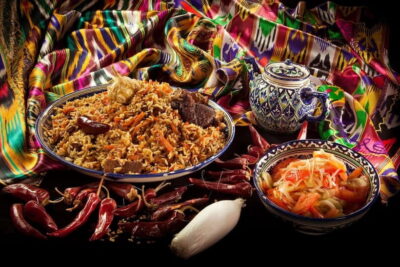
Village Tour with Plov Cooking Class & Home Visit
Read our review →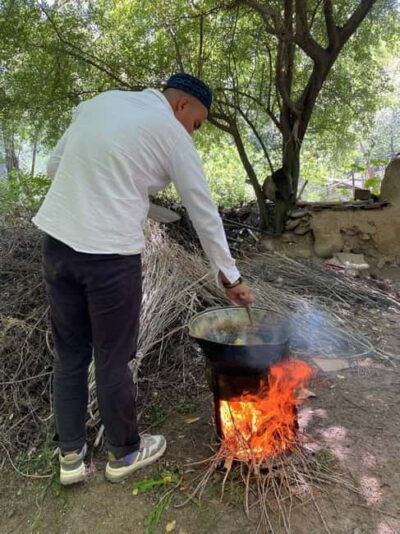
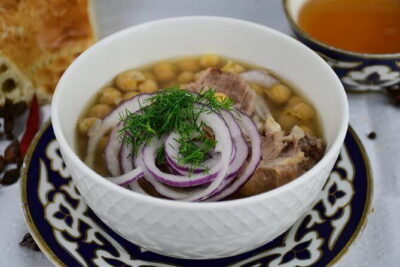
Cooking class in Samarkand with local life experience
Read our review →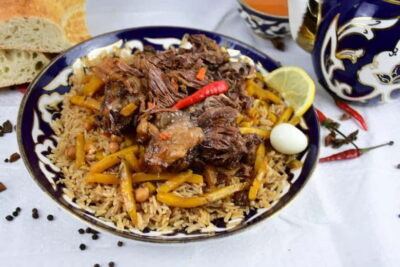
cooking traditional food in Samarkand with local people
Read our review →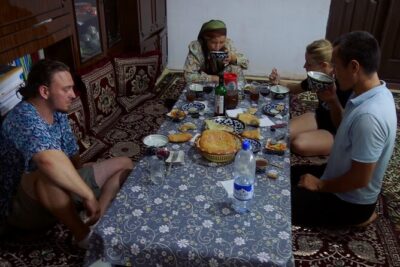
Private Samarkand Cooking Class with Market Tour & Transfers
Read our review →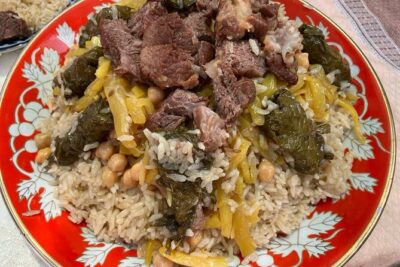
Cooking Class in the Village with Local Family in Samarkand
Read our review →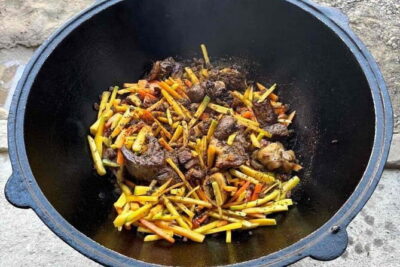
Samarkand Local Family Cooking Class and Siyob Bazaar Tour
Read our review →Browse the lists this tour appears in