
Review · ARAL SEA EXPEDITIONS
Aral Sea Adventures (2 day)
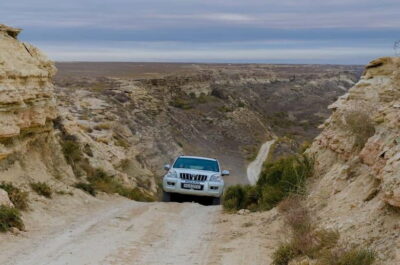
The Aral Sea feels like another planet. This private two-day journey from Khiva combines a vanished shoreline, desert monuments, Karakalpak culture, and the remarkable Savitsky Museum in Nukus. I like the small private format, with space for up to three people, and I like that Olimjon and his team can arrange the route from Khiva, Urgench, or Nukus. The main concern is simple: you will spend close to 1,000 kilometers in the cars over two days.
I also like the well-chosen mix of stops. Chilpik Qala, the Muynak ship cemetery, Mizdakhan, and the museums give the trip more depth than a quick photo stop at the sea. Still, this is not a relaxed getaway. Long days, desert roads, early starts, and an optional yurt stay make it best for visitors who value unusual places over comfort and spare time.
In This Review
- Key points before you book
- Why this trip is worth the hard driving
- Two cars make the remote route more practical
- Chilpik Qala gives the first day a striking start
- The Savitsky Museum is the cultural high point
- Muynak explains what the Aral Sea changed
- The Muynak ship cemetery is the emotional center
- Mizdakhan adds an older, quieter layer
- The yurt night changes the pace
- What the two days really feel like
- Who should book this Aral Sea tour?
- FAQ
- How much does the Aral Sea Adventures tour cost?
- How long is the tour?
- Where does the tour start?
- Can the tour start or finish in another city?
- Is accommodation included?
- How much do the museum tickets cost?
- Is this a private tour?
- Should you book it?
Key points before you book
- Nearly 1,000 kilometers in two days: The long drive is unavoidable, but it lets you reach the Aral Sea from Khiva while visiting important sites in Karakalpakstan.
- A private group of up to three: You travel in a sedan and a 4×4, with private transport, air conditioning, and hotel pickup and drop-off.
- The vanished port of Muynak: The ship cemetery and local museum explain the human and environmental cost of the Aral Sea disaster.
- The Savitsky Museum in Nukus: This is one of the strongest cultural stops, with a major collection of Central Asian and Russian art.
- A night at a yurt camp: Accommodation costs an additional $40 per person and includes dinner and breakfast.
- Weather affects the experience: Sunrise, open desert views, and the Aral Sea shore depend heavily on conditions, especially in winter.
Why this trip is worth the hard driving
The Aral Sea is not a normal beach destination. Much of the sea disappeared after decades of water diversion for irrigation, leaving behind a remote region shaped by ecological damage, abandoned industry, and resilient local communities. You go here to see what remains and to understand how a major body of water changed the lives of people who depended on it.
From Khiva, the distance makes independent sightseeing awkward. This tour solves that problem with private transport, an early 6 a.m. start, and drivers used to desert conditions. You do not need to arrange separate transfers to Nukus and Muynak, work out the remote roads yourself, or find a way back after reaching the shore.
The cost is $699 per group of up to three people. For three people, that works out to about $233 each before museum tickets, meals, and accommodation. For one person, it is expensive, but for a small group it can be fair value because private transportation, hotel pickup, hotel drop-off, drivers, audio materials, and the long round trip are included.
The price does not include lunch or dinner. The yurt camp costs $40 per person and includes dinner and breakfast. Add $7 per person for the Savitsky Museum and $3 per person for the Aral Sea Museum. These extra charges are modest, but you should budget for them before setting out.
More Aral Sea expeditions:
- From Khiva To Aral Sea 2-Days One Night In Yurt Stay
★ 4.6 · 20 reviews - Daytrip From Khiva to Aral Sea Cemetery Of Ships . All In One
★ 4.5 · 18 reviews - Private Daytrip to Muynak and Nukus
★ 5.0 · 10 reviews
Two cars make the remote route more practical
The tour uses two vehicles, one sedan and one 4×4. That arrangement matters in the desert, where road surfaces and conditions can change. You are not being placed into a large coach, and the private setup gives your group more control over stops and conversation.
Air conditioning is included, and water is provided. Previous visitors praised the comfort of the cars and the smooth driving, which is important when much of your day is spent on the road. The drivers are experienced with desert conditions, but no vehicle can make a 1,000-kilometer journey feel short.
The route can begin or end in Khiva, Urgench, or Nukus if arranged as part of the booking. The standard meeting point is the west gate of Ichan Kala in Khiva, and the listed start time is 6 a.m. Pickup and drop-off at your hotel are included, so confirm the exact pickup point in advance if you are not staying near the old city.
The tour is private, with only your group participating. That is especially useful here. You can ask questions, adjust the pace within reason, and avoid spending two days with a large bus group on narrow or rough roads.
Chilpik Qala gives the first day a striking start
Chilpik Qala, also written as Chilpiq or Shilpiq qala, is a round, roofless Zoroastrian funerary tower more than 2,200 years old. It rises about 15 meters and measures roughly 65 meters across, built on top of a hill.
You have about 30 minutes here, which is enough for a short visit and views from the site. The fortress-like shape is unusual, but its purpose was religious rather than military. The open design reflects ancient Zoroastrian funerary customs, when bodies were placed in elevated structures.
Admission is not included, so check the current entrance charge before departure. The short stop also sets the tone for the trip: this is not only about the Aral Sea. You are crossing a region where ancient religious sites, Soviet-era industry, and modern environmental problems sit within the same broad area.
Do not expect a long guided visit at Chilpik Qala. Thirty minutes is a brisk stop, so use the time for photographs, the view, and a quick look at the monument itself. Wear shoes suitable for uneven ground and bring water, even though water is supplied in the vehicles.
The Savitsky Museum is the cultural high point
The State Museum of Arts named after I.V. Savitsky in Nukus is one of the most important stops on the route. It is known for holding the world’s second-largest collection of Russian avant-garde art, along with Central Asian art and archaeological material.
You have one hour inside the museum, with the entrance ticket costing $7 per person. That is not a long museum visit, especially if you enjoy art, so you may need to move quickly. Even so, the stop changes the rhythm of the trip and gives you a much better sense of Karakalpakstan than the desert alone could provide.
I would treat the Savitsky as a major reason to choose this tour rather than a simple drive to the sea. The Aral Sea shows the region’s environmental crisis. The museum shows its artistic and cultural importance. Together, they make the journey feel like a study of a place rather than a single scenic outing.
Audio guide materials are included, and Olimjon has been praised for supplying useful information before and during the journey. The audio material can help you make better use of the long drives, too, when there is no monument in front of you.
If art is a priority, ask how the museum hour fits into the day and confirm that it will be open on your date. The supplied schedule gives one hour, but museum visits are often the easiest part of a tightly packed trip to shorten if the road runs late.
A few more options to weigh up in Khiva and Urgench
- Khiva: Historical City Highlights Guided Walking Tour
★ 4.8 · 156 reviews - Transfer: Bukhara – Khiva via Ancient Fortresses
★ 4.5 · 101 reviews - Daytrip From Khiva To Ancient Fortresses
★ 4.6 · 60 reviews - Khiva Historical City Highlights Guided Walking Tour
★ 5.0 · 30 reviews
Muynak explains what the Aral Sea changed
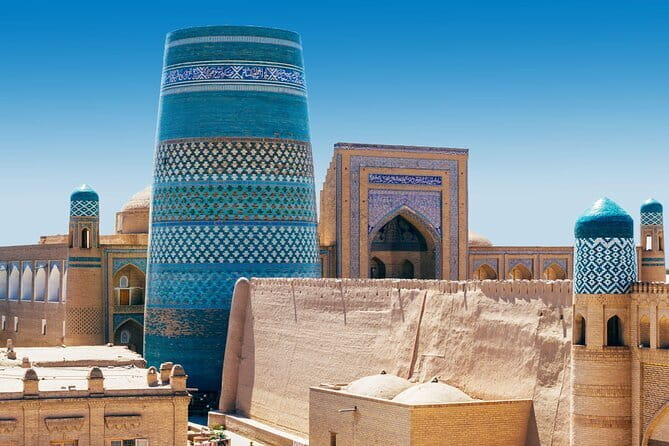
Muynak was once a major port on the Aral Sea. Fishing, fish processing, and canning supported the town, but the retreating water destroyed that way of life. Today, the town is best known for the ships left behind on dry ground.
The Muynak Regional Studies Museum, also called the Ecological Museum of Muynak, gives you a compact introduction to the area. You have about 30 minutes, and admission costs $3 per person. The museum is modest in size, but that can work in its favor during a very full trip. You can see the key displays without spending hours indoors.
The museum matters because the ship cemetery alone can become a quick photograph without context. At the museum, you begin to understand how the sea supported the town and why its disappearance was such a severe social and environmental shock.
The schedule is tight here. Thirty minutes allows a focused visit, not a slow reading of every display. If you want more time with local history, you may feel rushed. Still, skipping the museum would weaken the meaning of the ship cemetery.
The Muynak ship cemetery is the emotional center
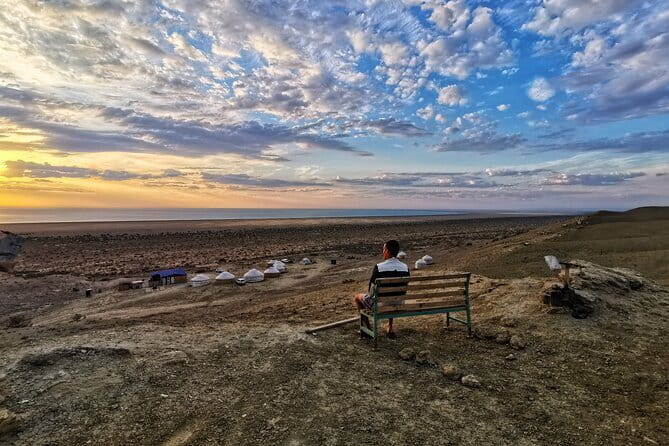
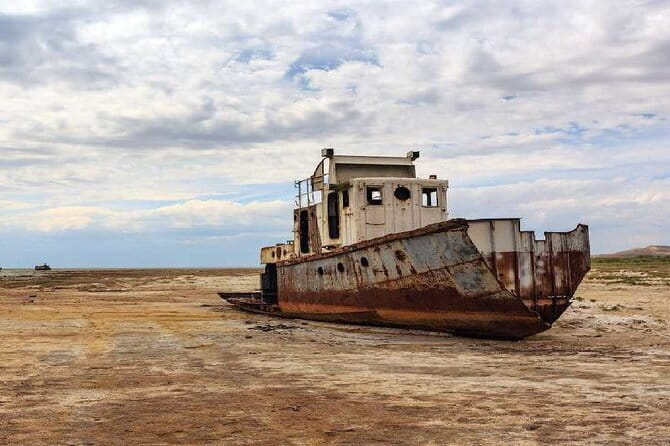
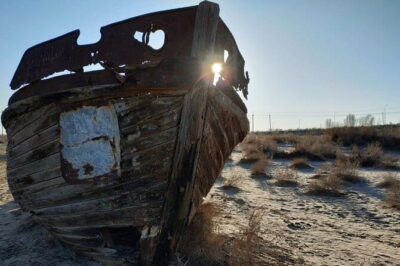
The ships cemetery is the image most associated with the Aral Sea. Rusting vessels sit far from the water, reminders of a port that no longer functions as it once did. The sight is stark, but it is not simply an unusual collection of old boats. It represents the collapse of a local economy and a major change in daily life.
You have about one hour at the cemetery, with no entrance ticket listed. That gives you time to walk around, take photographs, and absorb the scale of the change. The open setting can be harsh in bad weather, so warm layers in winter and sun protection in warmer months are sensible.
The ship cemetery is also where the trip can feel most sobering. The scenery has a strange beauty, but the story behind it is painful. You should come ready for both parts. This is not a polished attraction with many facilities. Its power comes from the emptiness and the facts behind it.
Several people who took the trip found the weather difficult but still considered the journey worthwhile. That is a useful warning. Clouds, cold, wind, or poor visibility can change the mood at the cemetery and shore, but the historical importance remains.
Mizdakhan adds an older, quieter layer
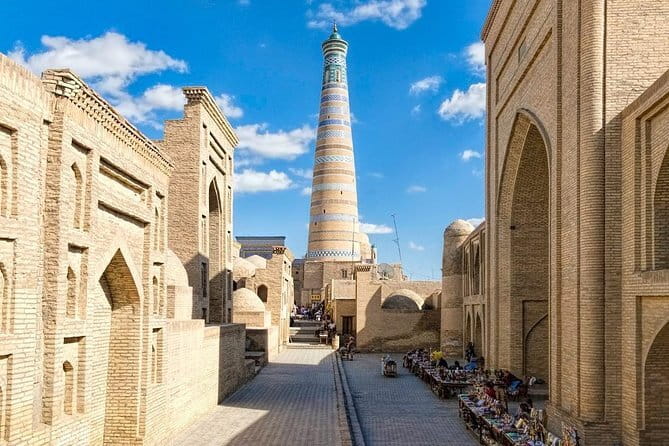
Mizdakhan Necropolis sits near the remains of the Gyaur-Kala fortress. It is one of the oldest pilgrimage sites in Karakalpakstan and remains a significant ancient cemetery.
The planned visit lasts about 30 minutes, and admission is free. Compared with the ship cemetery, Mizdakhan is quieter and more reflective. It also reminds you that this region’s story reaches far beyond the Soviet period and the environmental crisis.
Do not expect a polished archaeological park with a full visitor center. The value lies in the age of the site, its religious importance, and its setting near the old fortress remains. Your guide or audio materials can help you understand what you are seeing, since the site may not explain itself in detail during a short stop.
The route also includes the Ustyurt Canyons and the Aral Sea shore as key visitable areas. Exact timing can depend on road conditions, weather, and the pace of the day. Confirm how these stops fit into your departure date, since the listed schedule gives specific durations for the main museums and monuments but does not assign a separate duration to every area.
The yurt night changes the pace
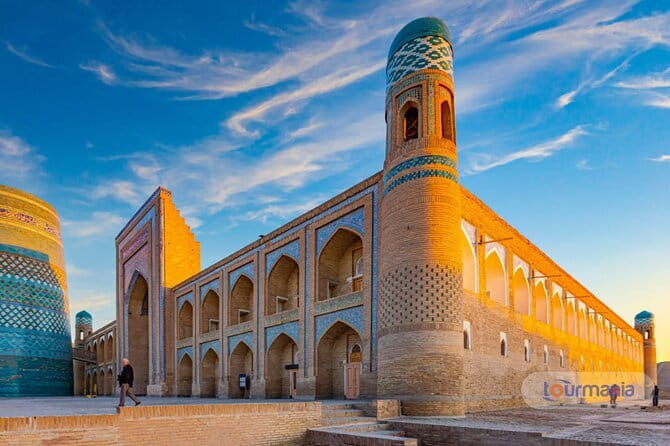
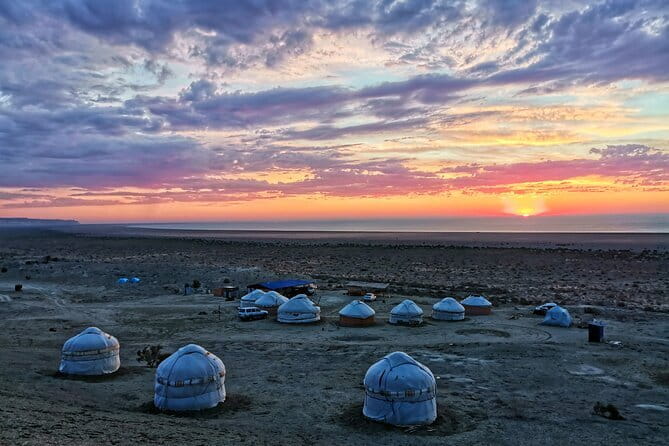
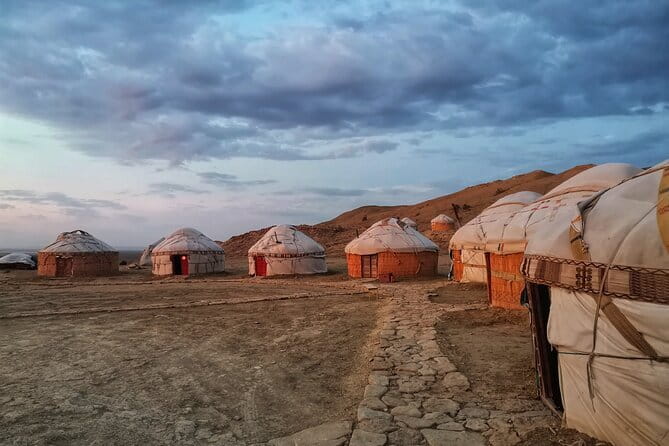
The yurt camp at the Aral Sea shore costs $40 per person, including dinner and breakfast. It gives you a chance to spend the night near the destination instead of turning the entire experience into one exhausting return drive.
The camp has been praised for its organization, friendly hosts, and plentiful food. A stay in a yurt is not a hotel replacement, so comfort-minded visitors should set expectations accordingly. You may find the experience memorable precisely because it is simple and tied to the setting.
The schedule may leave little free time after dinner. One person wished for more activities in the evening, which is worth noting if you expect entertainment at the camp. The yurt is mainly a practical and atmospheric base for the night, not a resort program.
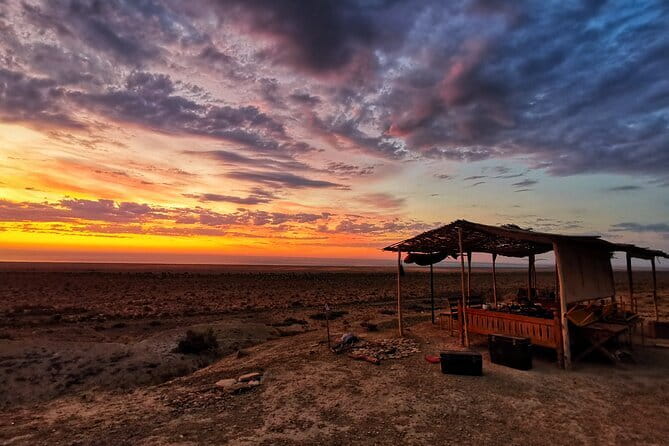
An early start can reward you with sunrise over the Aral Sea. That means the second day may begin early, especially if the route and weather allow a sunrise stop. The cold can be serious in winter, so pack layers rather than relying on the vehicle or yurt to provide all the warmth you need.
What the two days really feel like
This is a short trip considering the distance. You spend much of the two days in transit, and that is the unavoidable trade-off for reaching the Aral Sea from Khiva in a private two-day format.
The driving is not dead time, though. The changing views, desert roads, audio materials, and stops across Karakalpakstan make the journey part of the experience. You will still need patience. If you dislike long car rides, this tour may feel more like an expedition than a holiday.
The best moments are spread across very different settings:
- An ancient Zoroastrian monument at Chilpik Qala
- Paintings and regional art at the Savitsky Museum
- The ecological story of Muynak
- Abandoned ships far from the sea
- The old cemetery and fortress remains at Mizdakhan
- The open shore and Ustyurt area
That range is the tour’s real strength. You do not see only the final destination. You see how religion, art, trade, fishing, industry, and environmental change have shaped western Uzbekistan.
Communication is another strong point. Olimjon has been praised for clear explanations, help with practical matters such as money exchange, and checking in during the journey. The operator is Oxus Travel, and confirmation is provided at booking.
Who should book this Aral Sea tour?
I would recommend it to you if you have limited time in Uzbekistan but want more than the usual Khiva, Bukhara, and Samarkand route. It suits people interested in environmental change, Soviet history, remote places, photography, archaeology, and local culture.
It is also a sensible choice for three friends or family members who can share the $699 group price. The private arrangement gives you comfort and flexibility that a cheaper shared trip may not provide.
I would be cautious if you need short travel days, luxury accommodation, or a predictable schedule. The trip requires moderate physical fitness, has a minimum age of 15, and depends on good weather. A winter departure can be especially demanding, although clear conditions may also produce memorable light and sunrise views.
Cancellation is free up to 24 hours before the 6 a.m. start time. If poor weather causes the operator to cancel, you can choose another date or receive a full refund. Any change or cancellation inside the 24-hour window is not accepted.
FAQ
How much does the Aral Sea Adventures tour cost?
The price is $699 per group of up to three people. Museum admission, meals, and yurt accommodation are extra.
How long is the tour?
The experience lasts approximately two days. About 1,000 kilometers are driven during the round trip.
Where does the tour start?
The listed meeting point is the west gate of Ichan Kala in Khiva, with a 6 a.m. start. Hotel pickup is included.
Can the tour start or finish in another city?
The route can start or finish in Khiva, Urgench, or Nukus, depending on the visitor’s request.
Is accommodation included?
No. A yurt camp stay costs $40 per person and includes dinner and breakfast.
How much do the museum tickets cost?
The Savitsky Museum entrance ticket is $7 per person. The Aral Sea Museum in Muynak costs $3 per person. Chilpik Qala admission is not included, but no price is provided.
Is this a private tour?
Yes. Only your group participates, with a maximum of three people. Private transportation, an air-conditioned vehicle, audio guide materials, and hotel pickup and drop-off are included.
Should you book it?
Book this tour if seeing the Aral Sea is a priority and you accept the long drive as part of the adventure. The strongest version of the trip includes the yurt night, the Savitsky Museum, the Muynak museums, and enough time at the ship cemetery and shore to let the place sink in.
For three people, the cost is easier to justify, especially with private cars and pickup included. For one or two people, compare the price with other transport options, but remember that arranging this remote route independently can be difficult.
This is not an easy two days. It is a demanding, memorable journey through a region where ancient monuments, art, abandoned ships, and environmental loss meet. If that sounds more appealing than a restful weekend, Oxus Travel’s Aral Sea Adventures is a strong way to make the trip from Khiva.
Just added in Khiva and Urgench
- Urgench Airport / Railway Station – Khiva Transfer★ 3.0 · 2 reviews
- Traditional Khiva Cooking Class with Market Visit & Lunch★ 5.0 · 4 reviews
- Uzbekistan 6 Days Private Tour Khiva-Bukhara-Samarkand by Train★ 5.0 · 4 reviews
- Transfer From Khiva To Bukhara★ 5.0 · 2 reviews
- Day Trip Top 3 Fortresses departure from Khiva Self-Guided Tour★ 5.0 · 2 reviews
- Old Khiva Stories with Your Local Guide★ 5.0 · 5 reviews
- Plov Tour : Taste, Tradition & History of Plov with a local guide★ 5.0 · 1 review
- Master Class – Uzbek Bread (Khiva)★ 3.5 · 4 reviews
Aral Sea Expeditions, compared.
Daytrip from Khiva to Aral Sea Cemetery of Ships. All in one
Read our review →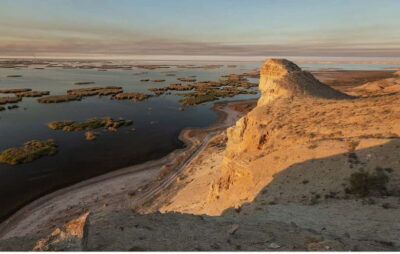
From Khiva To Aral Sea 2-Days One Night In Yurt Stay
Read our review →Daytrip From Khiva to Aral Sea Cemetery Of Ships . All In One
Read our review →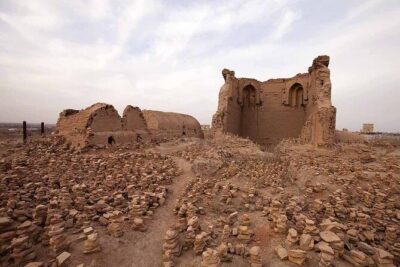
Browse the lists this tour appears in