
Review · COOKING CLASSES
Master Class – Uzbek Bread (Khiva)
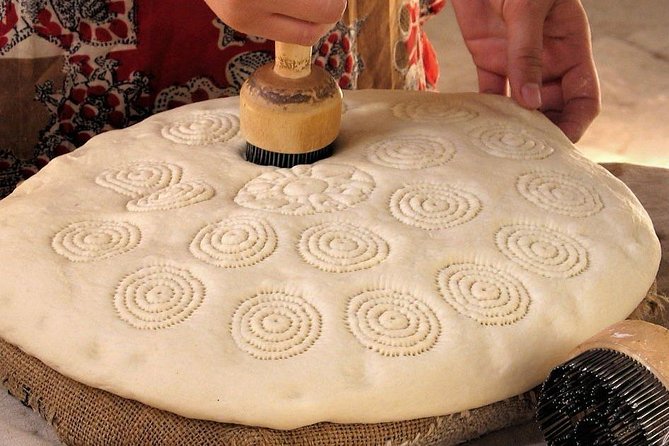
Bread here is both lesson and lunch. This 45-minute class at Tea House Mirza Boshi gives you a hands-on way to meet Uzbek food culture in Khiva, with your own dough, flower ornaments, baking equipment, tea, and bread to eat. I especially like the chance to stamp the bread yourself and watch it go into the oven.
I also like that this is a private activity, so your group gets the whole session rather than joining a large class. The main concern is value: at $15, the experience may feel expensive if you want a detailed explanation of Uzbek bread, its history, or cooking methods, since the instruction can be brief.
In This Review
- Key points at a glance
- Why a bread class works well in Khiva
- Meeting at Tea House Mirza Boshi
- Preparing the dough and adding flower designs
- Working near the high heat
- Tea and the bread you made
- What $15 gets you in practical terms
- A short activity that breaks up Khiva sightseeing
- How much explanation should you expect?
- Who should book this Khiva activity?
- Booking and cancellation details
- Should you book the Uzbek Bread Master Class?
- FAQ
- How long does the Uzbek Bread Master Class last?
- Where does the activity start?
- Where does the activity end?
- How much does the class cost?
- Is tea included?
- Do I get to eat the bread I make?
- Is baking equipment provided?
- Can I cancel for a full refund?
Key points at a glance
- You stamp your own flower ornaments: The decorative bread is part of the fun, and you take part rather than simply watching.
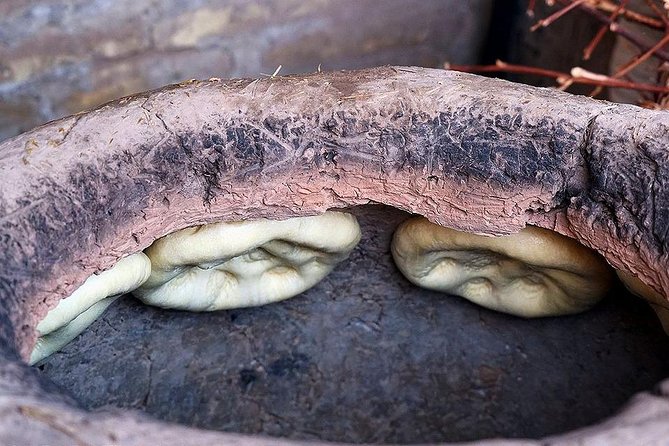
- You help place the bread in the baker: Protective tanker clothing is provided before you work near the high heat.
- Your bread is included: You eat the bread you helped prepare, along with tea.
- The class lasts about 45 minutes: It fits neatly into a busy day exploring Khiva’s old town.
- The activity begins and ends at Tea House Mirza Boshi: You do not need separate transport between the start and finish.
- The private format suits small groups: Only your own party participates, though the level of explanation may vary.
Why a bread class works well in Khiva
Khiva can become a procession of tiled gateways, minarets, courtyards, and restored religious buildings. Those sights matter, but after several hours of looking upward and reading plaques, a short practical activity can give your day a welcome change of pace.
Bread is a useful subject because it belongs to everyday Uzbek life. This is not only a cooking demonstration where you stand at the edge of a kitchen. You shape the dough, add decorative marks, help with the baking process, and then eat the result.
That simple sequence gives the class its appeal. You are not just buying a snack. You are taking part in a small food tradition and leaving with a clear memory of what you did with your hands.
The class takes place at Tea House Mirza Boshi in Khiva, in the Xorazm Region of Uzbekistan. Starting and finishing at the same place keeps the arrangement easy, especially if you are already exploring the historic center on foot.
More cooking classes in Khiva and Urgench:
- Traditional Khiva Cooking Class with Market Visit & Lunch
★ 5.0 · 4 reviews - Plov Tour : Taste, Tradition & History of Plov with a local guide
★ 5.0 · 1 review - Samarkand: Village Tour with Plov Cooking Class & Home Visit
★ 5.0 · 29 reviews
Meeting at Tea House Mirza Boshi
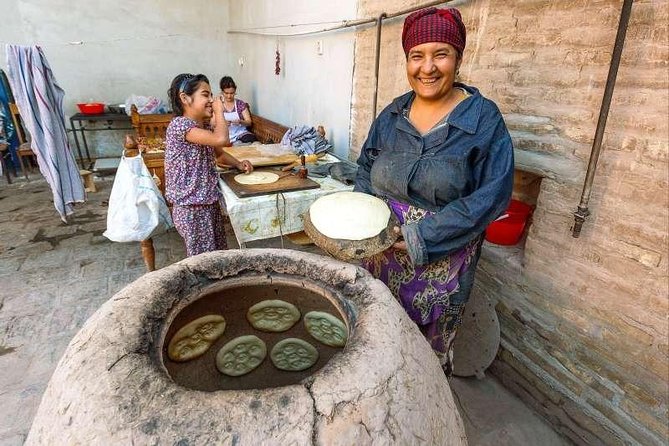
Your meeting point is Tea House Mirza Boshi, which also serves as the end point. That makes this an easy activity to place between sightseeing stops, lunch, or an afternoon rest.
The class is listed as lasting about 45 minutes. That short length is one of its strongest features. You can add it to a Khiva day without giving up half your sightseeing schedule, and you do not need to plan a full excursion around it.
The booking includes a mobile ticket and confirmation at the time of booking. You should keep the ticket available on your phone when you arrive.
Because the experience is private, only your group takes part. That can make the activity feel more relaxed than a large public demonstration. It also means the value depends on how much attention and explanation your group receives during the session.
Preparing the dough and adding flower designs
The practical part begins with preparing the bread. The exact recipe and teaching sequence are not specified, so you should expect a simple guided activity rather than a formal culinary course with a printed recipe or long lecture.
The decorative work is a highlight. You fill flower ornaments into the dough, giving the bread the patterned appearance associated with traditional Uzbek loaves. This step helps turn a basic piece of bread into something personal and recognizably local.
I like this part because it gives you something concrete to do. You are not trying to reproduce a complex restaurant dish in a short time. Instead, you are learning one visual and practical feature of Uzbek bread, then seeing how that decoration looks after baking.
The class is also suitable for people who do not consider themselves cooks. You receive help from the professional team, and the goal is to make bread that tastes good, not to test your technical skills.
Still, keep your expectations in check. The available description promises help with preparation, but it does not promise a detailed account of ingredients, dough fermentation, regional differences, or the meaning of the flower patterns. If those subjects matter to you, ask questions during the class.
Working near the high heat
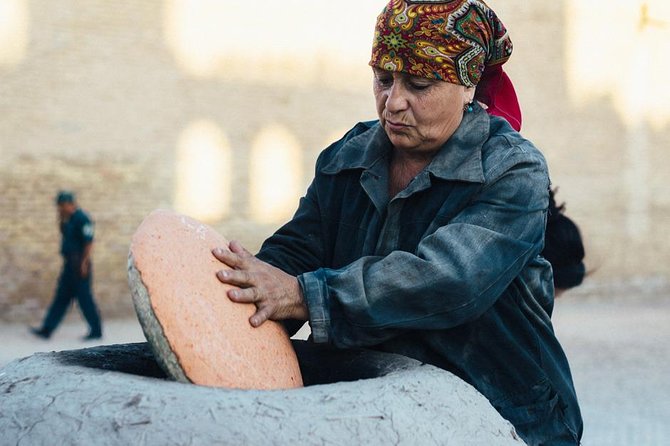
After preparing and decorating the bread, you take part in the baking process. You hang the bread in the bread maker, a memorable step because it brings you close to the traditional baking method rather than leaving the entire process to staff.
The heat is high, so the activity provides special clothing described as tanker clothing. You put it on before working near the oven. This is an important practical detail, especially if you are booking the class for children or anyone who dislikes hot cooking areas.
The clothing also makes the experience feel like a real task rather than a staged photo opportunity. You have a job to do, and the protective outfit signals that the oven is not merely decorative.
The information provided does not state the exact type of oven, the baking temperature, or how long the bread remains inside. I would not expect a full lesson in oven construction or fuel. The focus is on participation, safe handling, and seeing your bread through the baking stage.
For some people, this will be the best part of the class. You get a clear before-and-after moment: plain dough becomes decorated bread, then a finished food you can eat.
More craft workshops in Khiva and Urgench:
- Samarkand: Uzbek Cooking Class in a Village Home
★ 5.0 · 22 reviews - Cooking class in Samarkand with local life experience
★ 5.0 · 19 reviews - Private Samarkand Cooking Class with Market Tour & Transfers
★ 5.0 · 14 reviews - Cooking Class in the Village with Local Family in Samarkand
★ 5.0 · 11 reviews
Tea and the bread you made
Tea is included, along with the bread you prepare. That turns the final few minutes into a small tasting session rather than a simple end to the demonstration.
Eating your own bread gives the class a satisfying finish. It also helps you judge the result for yourself. The bread is not an abstract example sitting on a tray. It is connected to the marks you made and the steps you followed.
One particularly appealing possibility is seeing some of the bread served to customers at the tea house or restaurant. The activity takes place in a working food setting, and bread made during the class may become part of the place’s regular service. That can make the experience feel more connected to daily life in Khiva.
The supplied information does not say how much bread each person receives or whether the tea includes other food. Plan on tea and your own prepared bread, not a full meal.
If you are hungry, treat this as a snack and cultural activity. You can then choose a separate lunch or dinner based on your appetite.
What $15 gets you in practical terms
The price is $15 per person. Included are tea, use of the baking equipment, and the bread you make. The private format also matters because you are paying for an activity reserved for your own group, not only for a piece of bread.
That is a fair price if you value hands-on participation and want a short break from architectural sightseeing. The class is also a good fit if you enjoy food activities but do not want to commit to a half-day cooking course.
The value is less convincing if you mainly want information. The experience may not include much background about Uzbek bread or local food traditions. One direct assessment described it as disappointing because the price felt high for the amount of explanation provided.
That criticism is useful. At $15, you should book this for the action, not for an academic lesson. You are paying for the chance to prepare, decorate, bake, and eat bread in a local setting. If you expect a long talk about culinary history, you may feel shortchanged.
Personal expenses and anything not listed are not included. The practical reading is simple: tea, equipment, and your bread are covered, while other purchases are your responsibility.
A short activity that breaks up Khiva sightseeing
The strongest case for this class is its timing. Forty-five minutes is long enough to do something meaningful, but short enough to fit around a morning or afternoon in Khiva.
Khiva rewards slow looking, yet the same pattern of walking and viewing buildings can become tiring. A bread class changes your pace. You sit or work with your hands, focus on one task, and then return to the city with a fresh sense of place.
I would especially consider it after visiting several major sights, when you want a cultural activity that does not demand more walking. It can also work well early in the day if you want to add a food experience before continuing through the old town.
The private format is useful for families, couples, and small groups who want to keep their own pace. It may also suit people who prefer not to perform in front of strangers. On the other hand, a solo participant may find the $15 price harder to justify unless the private arrangement is especially important.
How much explanation should you expect?
The teaching quality is the main unknown. The professional team is described as helping you prepare the bread and make it tasty, but no individual guide names or detailed teaching plan are provided.
Some people may receive a short, informative, and enjoyable session. The hands-on steps are clear enough to make the class useful even when the talk is brief. Other people may want more context and find the experience too thin.
You can improve the session by asking direct questions. Ask what makes Uzbek bread different, why the flower patterns are used, how the bread is attached to the oven, and how the baking method fits into local food culture. The available details do not guarantee that these subjects are covered automatically.
This is a good example of why expectations matter. Think of the class as a guided food activity, not a professional bread-making workshop. You will participate, but you may not leave with a complete recipe or a broad survey of Uzbek baking.
Who should book this Khiva activity?
I would recommend it most strongly to people who enjoy doing rather than only seeing. Children, families, and curious food lovers may find the dough, decoration, protective clothing, and oven work more memorable than another passive sightseeing stop.
It also suits a first visit to Khiva when you want one activity that connects the city to ordinary life. The session is short, simple, and easy to combine with other plans.
You may want to skip it if you are looking for a serious cooking course. The available details do not promise advanced instruction, a recipe to take home, a full meal, or a long cultural talk.
It is also worth considering your budget. $15 is not a large amount, but it is enough to make the level of instruction important. If you are happy to pay for a hands-on memory and fresh bread, the price is easier to defend. If you see the bread as the only product, you may prefer to buy bread separately and spend your time elsewhere.
Booking and cancellation details
You receive confirmation at the time of booking, and the activity uses a mobile ticket. The start and finish are both at Tea House Mirza Boshi, so no separate transfer is part of the plan.
Free cancellation is available if you cancel at least 24 hours before the start time. Cancel less than 24 hours ahead, and the payment is not refunded. Changes made within that 24-hour window are not accepted, with cut-off times based on Khiva’s local time.
The activity is booked through Sayyah Uzbekistan. It is normally reserved about nine days ahead, so booking in advance is sensible if the class fits tightly into your Khiva schedule.
Should you book the Uzbek Bread Master Class?
Book it if you want a short, private, hands-on food experience that breaks up Khiva’s sightseeing. The flower decorations, oven work, tea, and chance to eat your own bread give the class a clear sense of purpose.
Skip it if you mainly want detailed culinary background or strong value from the food alone. The best way to judge the $15 price is to think of it as payment for participation in a local baking ritual, with bread as the tasty souvenir.
For most people, this is a pleasant add-on rather than a must-see attraction. Ask questions, arrive ready to work with your hands, and treat the 45 minutes as a small cultural pause in your Khiva day.
FAQ
How long does the Uzbek Bread Master Class last?
The activity lasts approximately 45 minutes.
Where does the activity start?
It starts at Tea House Mirza Boshi in Khiva, Xorazm Region, Uzbekistan.
Where does the activity end?
It ends back at the meeting point, Tea House Mirza Boshi.
How much does the class cost?
The listed price is $15 per person.
Is tea included?
Yes. Tea is included in the activity.
Do I get to eat the bread I make?
Yes. Bread made by you is included, and you eat it during the experience.
Is baking equipment provided?
Yes. Use of the baking equipment is included.
Can I cancel for a full refund?
Yes, if you cancel at least 24 hours before the experience start time. Cancellations made less than 24 hours before the start time are not refunded, and changes within that period are not accepted.
Just added in Khiva and Urgench
- Urgench Airport / Railway Station – Khiva Transfer★ 3.0 · 2 reviews
- Traditional Khiva Cooking Class with Market Visit & Lunch★ 5.0 · 4 reviews
- Uzbekistan 6 Days Private Tour Khiva-Bukhara-Samarkand by Train★ 5.0 · 4 reviews
- Transfer From Khiva To Bukhara★ 5.0 · 2 reviews
- Day Trip Top 3 Fortresses departure from Khiva Self-Guided Tour★ 5.0 · 2 reviews
- Old Khiva Stories with Your Local Guide★ 5.0 · 5 reviews
- Plov Tour : Taste, Tradition & History of Plov with a local guide★ 5.0 · 1 review
- A Night In The Kyzylkum Desert [2] From Khiva★ 4.5 · 3 reviews
Cooking Classes, compared.
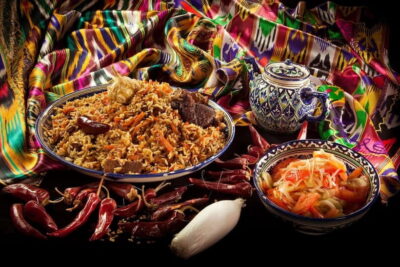
Village Tour with Plov Cooking Class & Home Visit
Read our review →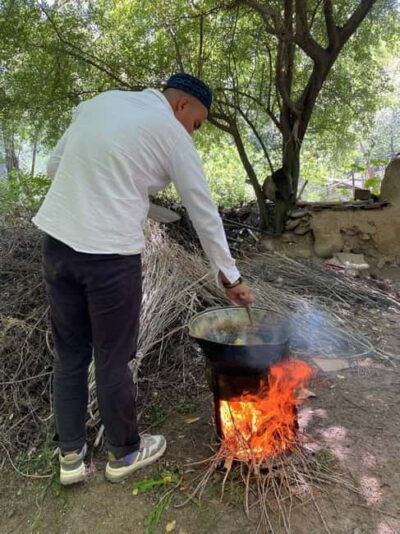
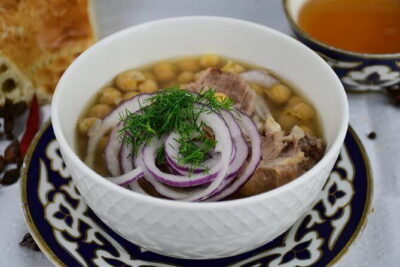
Cooking class in Samarkand with local life experience
Read our review →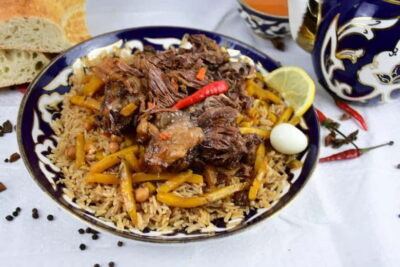
cooking traditional food in Samarkand with local people
Read our review →
Private Samarkand Cooking Class with Market Tour & Transfers
Read our review →
Cooking Class in the Village with Local Family in Samarkand
Read our review →
Browse the lists this tour appears in