
Review · COOKING CLASSES
Plov and Samsa Cooking Class in Tashkent
Good food is the fastest way into Uzbek life. This three-hour class in Tashkent gives you hands-on practice with plov and samsa, not just a cooking demonstration. I like the private format for up to two people, and I like the chance to work with onions, carrots, meat, rice, dough, and spices before sitting down to eat what you made. The main caution is communication: the hostess has basic English, and one booking was reportedly canceled without a refund, so confirm the arrangements with Asli Travel before setting out.
You pay $160 per group of up to two, which works out to $80 each for a pair. That is not a bargain cooking lesson, but it includes instruction, ingredients, the meal, and a private setting in a local home. Pickup and drop-off are not included, though one highly positive account noted that a driver was arranged smoothly, so it is worth asking about transport before you book.
In This Review
- Key points to know before you book
- Why plov is the heart of this Tashkent cooking class
- Cutting carrots, cleaning rice, and learning the small decisions
- Making samsa during the plov’s steam-cooking stage
- Sharing tea and a home-cooked meal in Tashkent
- Three hours that make good use of the kitchen clock
- Is $160 good value for two people?
- Who will enjoy this class most?
- Meeting point, timing, and booking checks
- Should you book the Plov and Samsa Cooking Class?
- FAQ
- Where does the Plov and Samsa Cooking Class take place?
- How long does the cooking class last?
- How much does the class cost?
- What dishes will I learn to cook?
- Is the class suitable for vegans?
- Is pickup and drop-off included?
- What languages are used during the class?
Key points to know before you book
- You cook two Uzbek staples: The class covers plov, Uzbekistan’s famous rice dish, and samsa, baked pastry filled with seasoned minced meat.
- The work is genuinely hands-on: You cut onions, carrots, and meat, clean the rice, roll dough, fry ingredients, and help cook and steam the dishes.
- The class takes place in a private home: The setting adds warmth and local contact, with tea and possible snacks served by the host family.
- The timing uses plov’s cooking rhythm: While the rice cooks with steam, you switch to samsa, making good use of the waiting period.
- The group is small: The $160 rate covers up to two people, making this best suited to couples, friends, or a private family booking.
- Language needs a little patience: Instruction is offered in Russian and English, but the hostess is described as having basic English.
Why plov is the heart of this Tashkent cooking class
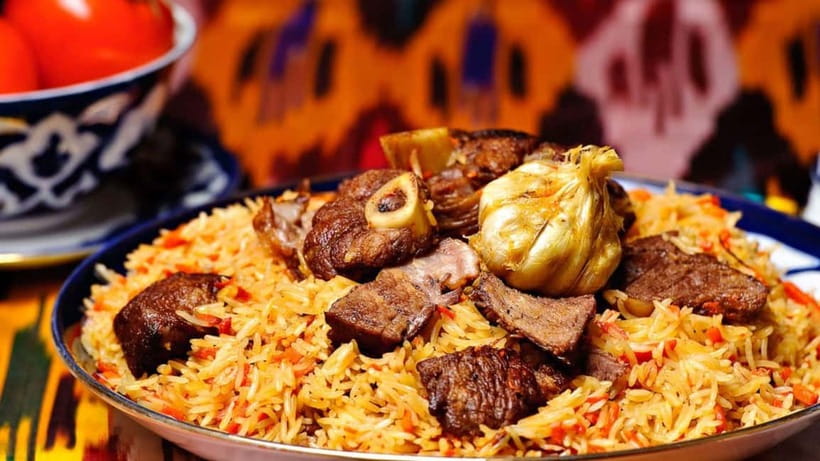
Plov, also called palov, is more than a pile of rice with meat on top. It is a careful sequence of frying, cooking, and steaming, and this class lets you take part in each stage.
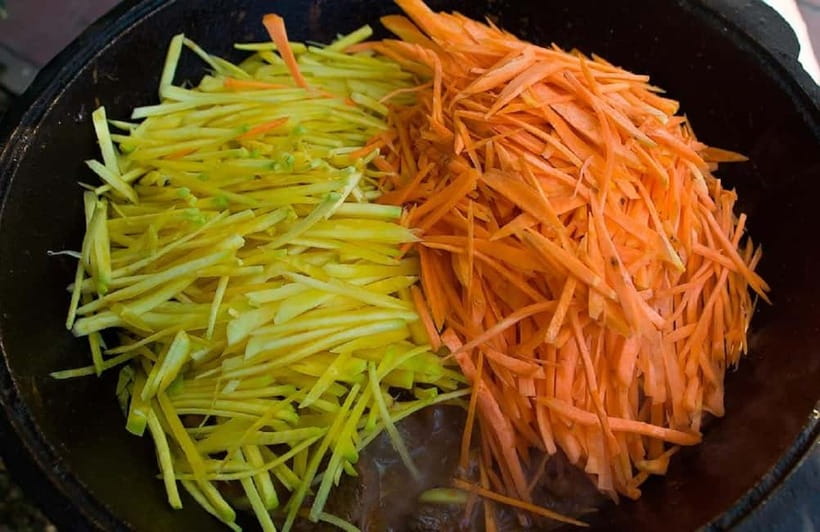
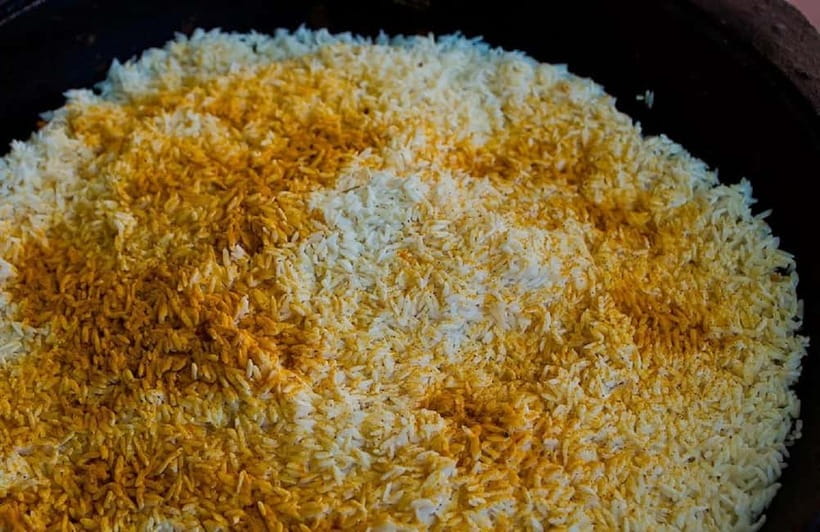
You begin by preparing the main ingredients. You cut onions and carrots, prepare the meat if you are using it, and clean the rice. These jobs may sound simple, but they matter. The size and shape of the vegetables affect how they cook, while properly cleaned rice helps produce the right texture.
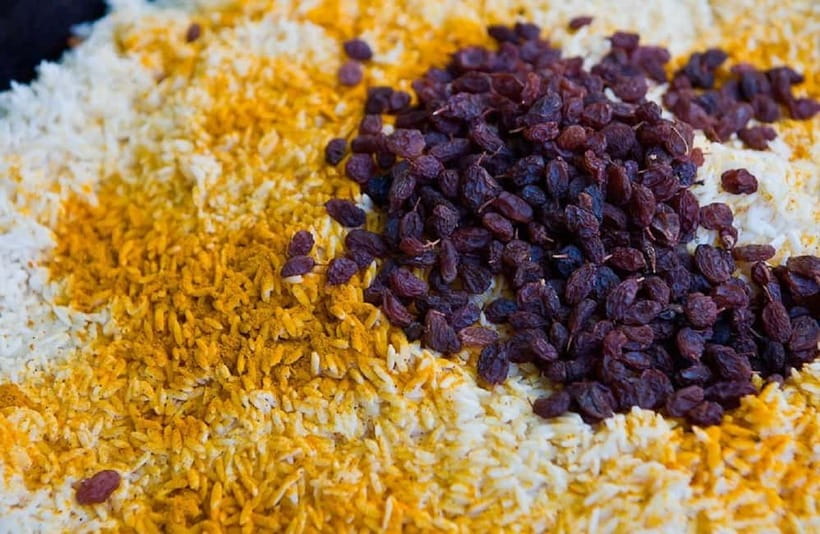
The listed ingredients include rice, meat, carrots, onions, garlic, cumin, raisins, sunflower oil, and water. That combination gives the dish its familiar Uzbek character: sweet carrots and raisins, earthy cumin, soft garlic, and a substantial base of rice and meat.
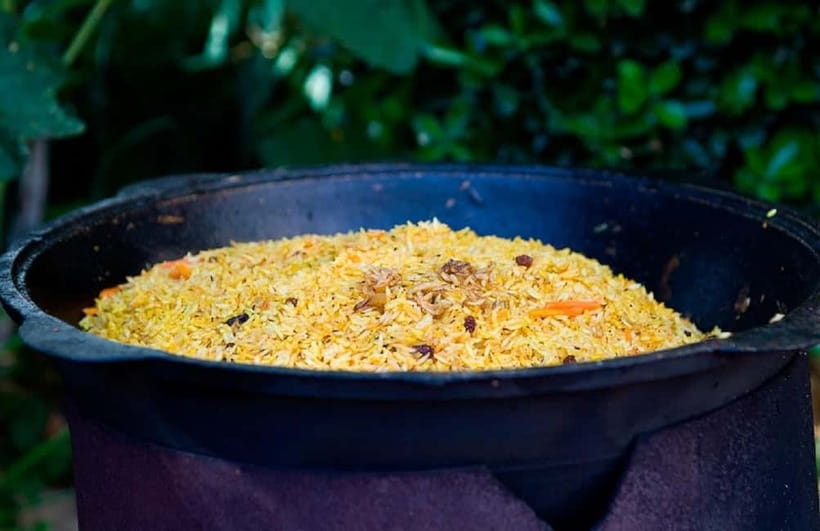
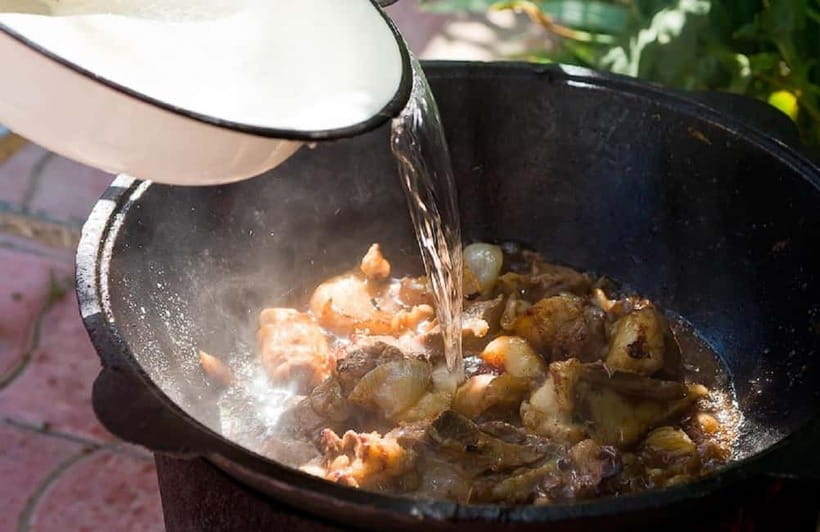
I especially like that you are not asked to stand back while someone else handles the hot pan. You fry the ingredients yourself, add water, cook the mixture, and allow the rice to steam. A team member helps guide the process, so you are not left guessing when to stir, when to wait, or how to bring the dish together.
The cooking time also teaches an important lesson. Good plov is not a rushed dish. Once the water is added and the rice begins its steam-cooking stage, you have a natural pause. Instead of filling the gap with idle time, the class moves on to samsa.
More cooking classes in Tashkent:
- Private Traditional Uzbek Cooking Class in a Lovely Tashkent Home
★ 4.5 · 2 reviews - Samarkand: Village Tour with Plov Cooking Class & Home Visit
★ 5.0 · 29 reviews - Samarkand: Uzbek Cooking Class in a Village Home
★ 5.0 · 22 reviews
Cutting carrots, cleaning rice, and learning the small decisions
The most useful part of a cooking class is often not the final plate. It is the small decisions that help you repeat the dish at home.
Here, you work with the vegetables and rice directly. You learn how the ingredients are prepared before they reach the pot, and you can ask questions as you go. The professional cooking team is there to help adjust the method and make the food taste good, but you still take part in the process.
That balance is important. A class that is too relaxed can leave you with a pleasant meal but little usable skill. A class that is too technical can feel like kitchen school. This one appears designed for ordinary home cooks, with assistance available while you handle the basic tasks yourself.
A vegan version of the plov is possible without meat. That is useful, but you should explain your dietary needs clearly when booking. The ingredient list includes meat, and the samsa preparation described here uses minced meat, so plant-based participants should confirm exactly what can be changed.
Garlic, cumin, and raisins are not decorative extras. They shape the flavor of the finished dish. If you enjoy learning how a short list of common ingredients can create a strong regional identity, this section of the class gives you plenty to notice.
Making samsa during the plov’s steam-cooking stage
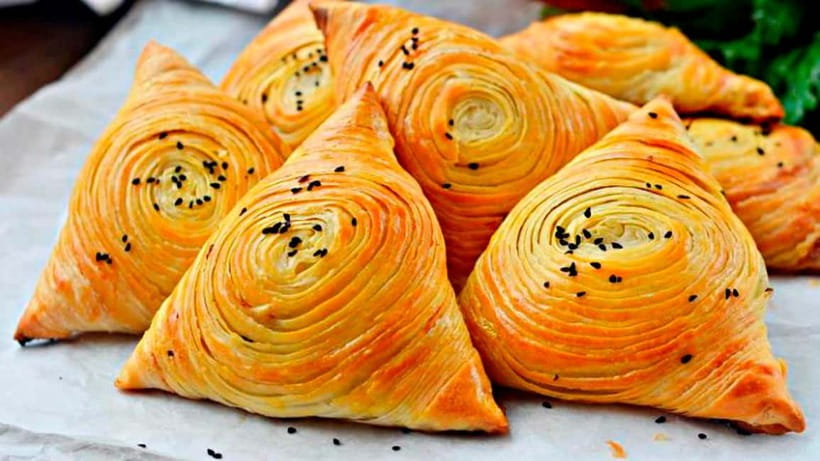
Samsa is often compared with a samosa, but the Uzbek version has its own shape and method. In this class, you make triangular pastries filled with minced meat and bake them in an oven.
The dough starts simply. You roll it out, spread clarified butter, also called ghee, across the surface, then roll the dough tightly into a log. You divide that roll into equal portions and chill the small dough pieces before rolling them out again.
That extra handling is part of what makes the pastry interesting. The ghee and rolled layers help create a more structured dough, while chilling the portions makes them easier to work with. You then roll each piece, add the minced meat filling, fold it into a triangle, and bake it.
A team member assists as you shape the samsa. This is welcome help because pastry can be less forgiving than plov. The triangles need to hold their filling, and the dough needs to be thin enough to bake properly without tearing.
You should not expect a professional pastry workshop. The point is to learn a traditional preparation in a friendly home setting, then eat the result. The activity also gives you a second kind of Uzbek food to compare with the rice dish: one is cooked in a large pot, the other is shaped by hand and baked.
Sharing tea and a home-cooked meal in Tashkent
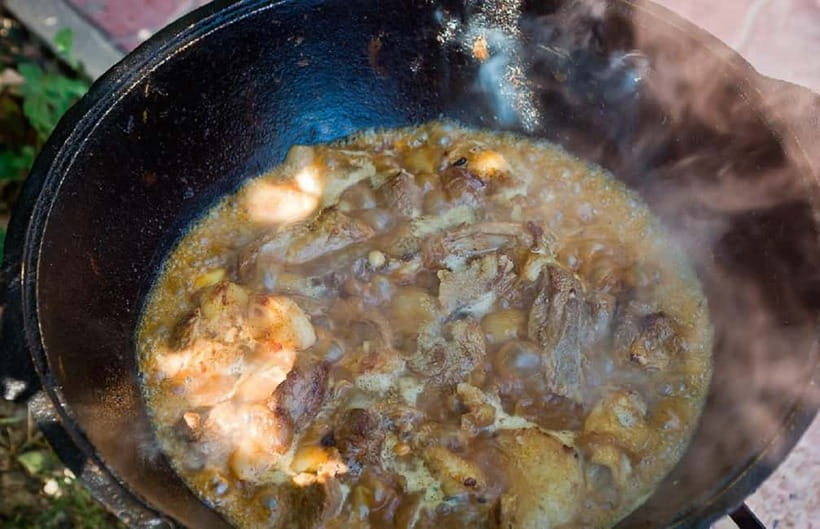
The class takes place in the hostess’s home, rather than a formal culinary studio. That changes the mood. You get a more personal setting, and the meal becomes part of the visit instead of an afterthought.
Tea and small snacks may be served during the session. One highly positive account described a wide spread of traditional snacks, desserts, and tea, along with extra food packed to take away. Those additions are not clearly guaranteed as part of every booking, so treat them as a possible bonus rather than a promised feature.
The home setting is also where the class feels most authentic. You are not simply learning a standardized recipe from a cooking school. You are being shown how a traditional Uzbek dish is prepared by a local host and support team.
That said, a private home requires a little flexibility. The hostess is described as having basic English, while another account found communication excellent. I would plan for some language gaps and use simple questions, gestures, and close attention to the demonstration. Instruction is available in Russian and English, but the level of English may vary among the people helping with the class.
At the end, you eat the plov and samsa you prepared. This is the payoff, but it is also a useful part of the lesson. You can taste the effect of the carrot cut, the rice preparation, the cumin, the garlic, and the pastry layers while the steps are still fresh in your mind.
More craft workshops in Tashkent:
- Tashkent Wine Tasting & Ceramics Workshop Experience
★ 5.0 · 2 reviews - Cooking class in Samarkand with local life experience
★ 5.0 · 19 reviews - Private Samarkand Cooking Class with Market Tour & Transfers
★ 5.0 · 14 reviews - Cooking Class in the Village with Local Family in Samarkand
★ 5.0 · 11 reviews
Three hours that make good use of the kitchen clock
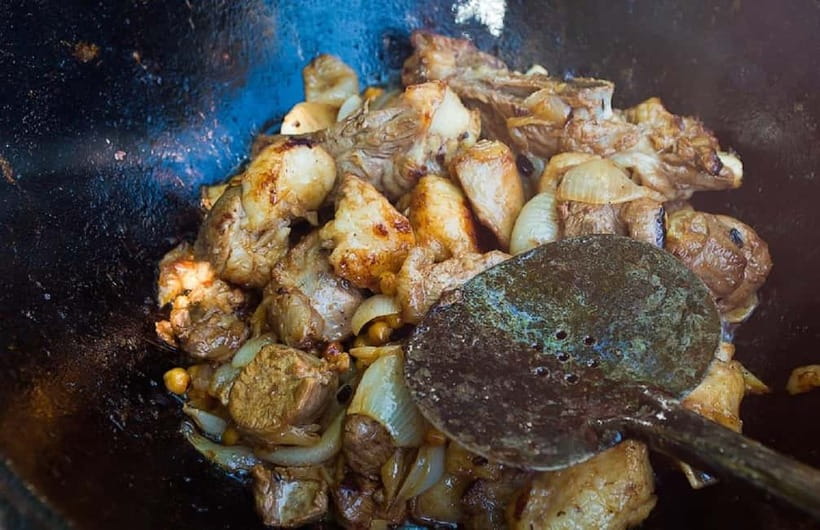
The advertised duration is three hours. That gives enough time for food preparation, cooking, pastry work, and the final meal without forcing every step into a hurry.
The order makes sense. Plov needs time to cook and steam, so its preparation comes first. During the waiting period after water is added, you make the samsa. Then you return to the plov and finish the main dish.
Expect an active class, but not three straight hours of chopping. There are pauses built into the cooking process, and those moments may include tea, conversation, or small snacks. If you want constant instruction with no downtime, the pace may feel relaxed. If you appreciate the chance to talk and eat as part of the activity, the schedule should suit you well.
Comfortable clothes are recommended. Cooking involves oil, dough, spices, and hot cookware, so this is not the place for your best outfit. Alcohol and drugs are not allowed.
The activity is wheelchair accessible according to the provided information. Since the class takes place at a home and no detailed access notes are given, it is sensible to confirm the exact arrangements with Asli Travel before arrival if you have specific mobility needs.
Is $160 good value for two people?
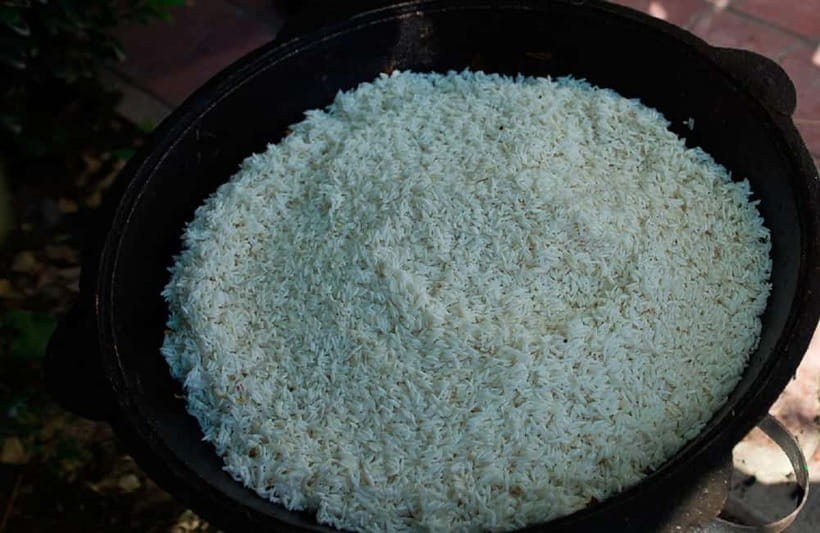
The price is $160 per private group of up to two. For a pair, that is $80 per person. For one person, the same group price applies, making the cost much harder to justify unless you strongly value private instruction.
The fee includes professional instruction, all ingredients for both dishes, your participation in the cooking, and the prepared meal. It does not include pickup, drop-off, or personal expenses.
I see the value in the price mainly through the private format and the amount of food work involved. You are not paying only for a plate of plov. You are paying for access to a local home, a guided cooking session, two traditional dishes, and a meal made with your own hands.
The value improves if you are traveling as a couple or two friends. It is less attractive for solo visitors, since the price does not appear to drop for one person. Ask about transport as well. Pickup and drop-off are officially excluded, although a previous booking included a driver arranged by the company. Do not assume that service is part of the standard price.
The rating is 4.3 from six ratings, which suggests a generally strong experience but not a flawless booking record. Five-star accounts praised the welcoming host family, organized hands-on instruction, warm hospitality, good food, and convenient transport when arranged. One one-star account reported a cancellation without a refund. That is a serious practical concern, so confirm the date, meeting point, and refund terms directly with the provider.
Who will enjoy this class most?
I would recommend it most strongly to people who want contact with local food culture, not just sightseeing. You should enjoy working with your hands and be happy to eat a filling meal during the activity.
It is a good fit for:
- Couples who want a private activity in Tashkent
- Friends sharing the $160 group price
- First-time cooks who appreciate close help
- People curious about the difference between plov and samsa
- Visitors looking for a home-based cultural experience
- Families or small groups who need a wheelchair-accessible option
It may be less suitable if you want a polished restaurant-style lesson, a guaranteed fluent English-speaking chef, or a cheap way to get lunch. The basic-English note is important. You can still learn a great deal, but communication may rely on demonstration as much as conversation.
Vegetarians and vegans should also ask detailed questions before booking. Meat is central to the listed recipes, though a meat-free plov is possible. The available description does not promise a vegan version of the samsa, so clarify both dishes in advance.
Meeting point, timing, and booking checks
The exact meeting point is provided after booking, with further instructions on how to find the location. Since there is no included pickup or drop-off, you need to allow time to reach the home yourself unless transport has been separately arranged.
Starting times vary, so check availability for your preferred date. The group is private, with space for up to two people, and the instructors can communicate in Russian and English.
The activity offers free cancellation up to 24 hours before the start for a full refund, and you can reserve now and pay later. Even with those terms, I would save the confirmation, verify the address, and contact Asli Travel if anything about the booking seems unclear. That is especially sensible given the reported cancellation problem.
Should you book the Plov and Samsa Cooking Class?
Book it if you want to cook two important Uzbek dishes in a local home and value personal contact over a formal kitchen setting. The strongest reasons are the hands-on work, the private group size, the two-part menu, and the chance to eat what you prepare.
I would book as a pair to make the $160 price feel reasonable. Before paying, confirm transport, language support, dietary changes, and the meeting instructions. If those details are settled, this should be a warm and useful introduction to Uzbek home cooking, with enough practical technique to try plov and samsa again after you leave Tashkent.
FAQ
Where does the Plov and Samsa Cooking Class take place?
The class takes place in Tashkent Province, in the hostess’s home. The exact meeting instructions are provided after booking.
How long does the cooking class last?
The activity lasts three hours. Starting times depend on availability.
How much does the class cost?
The price is $160 per private group of up to two people.
What dishes will I learn to cook?
You will learn to prepare Uzbek plov, also called palov, and samsa, triangular baked pastries filled with minced meat.
Is the class suitable for vegans?
A version of the plov without meat is possible for vegans. The provided information does not confirm a meat-free samsa, so ask about the full menu before booking.
Is pickup and drop-off included?
No. Pickup and drop-off are not included in the stated activity. A driver may be arranged separately, but you should confirm this with Asli Travel.
What languages are used during the class?
Instruction is available in Russian and English. The hostess is described as having a basic level of English, so some communication may rely on demonstrations.
Just added in Tashkent
- Uzbekistan and Tajikistan 9-Day Tour★ 5.0 · 1 review
- Tashkent International Airport (TAS) to Tashkent – Arrival Private Transfer★ 5.0 · 2 reviews
- Uzbek Brews & Views: Tashkent Craft Beer Discovery Tour★ 5.0 · 2 reviews
- 8-Day Private Tour in Uzbekistan with Pick Up★ 5.0 · 2 reviews
- Uzbekistan Tour – 6 Days 5 Nights★ 5.0 · 4 reviews
- Uzbekistan Private Tour 6 Days★ 5.0 · 1 review
- Tashkent to Tashkent International Airport (TAS) – Departure Private Transfer★ 5.0 · 1 review
- Full Day Private Tour to Fergana Valley from Tashkent★ 5.0 · 1 review
Cooking Classes, compared.
Village Tour with Plov Cooking Class & Home Visit
Read our review →
Cooking class in Samarkand with local life experience
Read our review →
cooking traditional food in Samarkand with local people
Read our review →
Private Samarkand Cooking Class with Market Tour & Transfers
Read our review →
Cooking Class in the Village with Local Family in Samarkand
Read our review →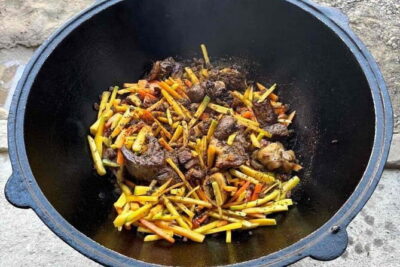
Samarkand Local Family Cooking Class and Siyob Bazaar Tour
Read our review →Browse the lists this tour appears in