
Review · ARAL SEA EXPEDITIONS
Aral Sea – Extended trip (3 days)
The desert keeps changing the story. This three-day private trip from Khiva covers more than 1,200 kilometers by sedan and 4×4, linking the disappearing Aral Sea with Karakalpakstan’s forts, museums, lakes, and desert settlements. I especially like the small private format and the chance to see places that are difficult to reach without local drivers. I also like the overnight yurt stays, where the trip becomes more than a long road journey.
The main drawback is the distance. You will spend many hours in vehicles, often on rough desert roads, and the advertised 19 destinations mean some stops are brief. At $899 per group of up to three, the price is fair for private transport and a demanding route, but you must add accommodation, meals, and several entrance fees.
In This Review
- Key points before you book
- Why this Aral Sea trip is worth the hard miles
- Day one: Chilpik, Nukus art, and Muynak’s lost shoreline
- Day two: Sudoche Lake and the remote Ustyurt Plateau
- Day three: Ayaz-Kala and the fortress route
- What $899 really buys you
- Vehicles, guides, and the pace
- Who should book this trip
- Should you book the Aral Sea Extended Trip?
- FAQ
- How long is the Aral Sea Extended Trip?
- Where does the tour start?
- Is the tour private?
- Is accommodation included in the $899 price?
- Are museum and fortress tickets included?
- What is the cancellation policy?
Key points before you book
- More than 1,200 kilometers in three days: This is a serious road trip, not a relaxed sightseeing circuit.
- Two vehicles for changing terrain: A sedan and a 4×4 are used, with experienced drivers handling desert conditions.
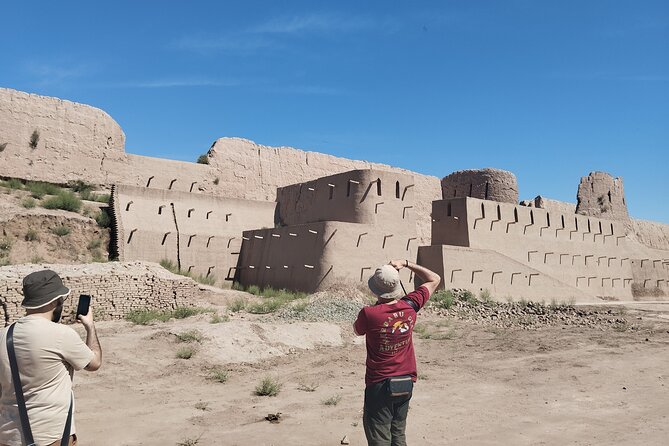
- The Aral Sea is only part of the story: You also visit the Savitsky Museum, Muynak, Ustyurt Plateau sites, lakes, cemeteries, and a remarkable chain of Khorezm fortresses.
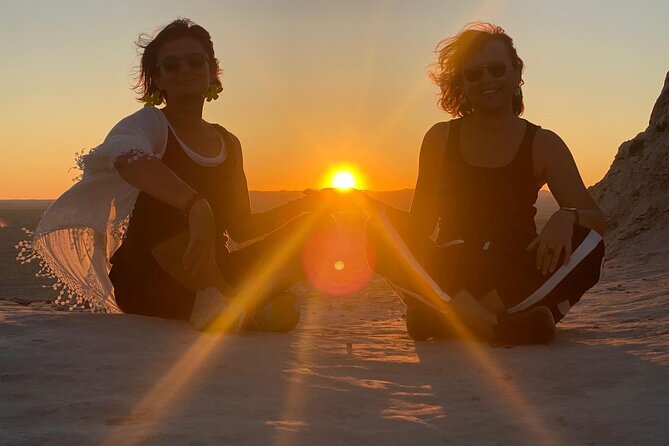
- Two yurt stays add real atmosphere: Desert nights, local food, and stargazing are among the strongest parts of the experience.
- Olimjon may be your guide: He is praised as a warm, well-informed historian who adds meaning to Khiva and the Aral region.
- Extra costs matter: Plan for about $90 per person for the two yurt stays with dinner, plus lunches and fortress or museum tickets.
Why this Aral Sea trip is worth the hard miles
I would not choose this tour simply to check the Aral Sea off a list. The real appeal is the combination of places. In three days, you move from the old Khorezm world around Khiva to Nukus’s modern art collection, then into the ecological crisis at Muynak and the empty reaches of the Ustyurt Plateau.
That range gives the journey weight. You see abandoned ships, salt flats, old cemeteries, desert fortresses, a river that still supports life, and settlements that feel far from Uzbekistan’s better-known tourist routes.
The trip is private for your group only, with pickup and return available in Khiva, Urgench, or Nukus by arrangement. The published starting point is the west gate of Ichan Kala in Khiva at 6:00 a.m. That early departure matters. You are trying to cover roughly 400 kilometers a day, sometimes more, so this is not a sleep-in holiday.
I like the fact that the drivers are used to desert conditions. Smooth driving matters on long stretches of rough track, especially when the route leaves the main roads. Still, do not mistake a comfortable air-conditioned vehicle for an easy ride. You should have moderate physical fitness and be comfortable with long hours sitting, uneven ground, heat, dust, and basic overnight conditions.
More Aral Sea expeditions:
- Aral Sea Adventures (2 day)
★ 5.0 · 30 reviews - From Khiva To Aral Sea 2-Days One Night In Yurt Stay
★ 4.6 · 20 reviews - Daytrip From Khiva to Aral Sea Cemetery Of Ships . All In One
★ 4.5 · 18 reviews
Day one: Chilpik, Nukus art, and Muynak’s lost shoreline
The first stop is Chilpik Qala, also written as Shilpiq or Chilpak Kala. This round, roofless Zoroastrian funerary tower is more than 2,200 years old. Built high above the surrounding area, it has a stark shape and a practical purpose that feels very different from the palaces and mosques of Khiva.
You get about 30 minutes here. That is enough to take in the form of the monument and its setting, though not enough for a long archaeological discussion. The entrance ticket is not included, so keep small cash available for paid sites.
Nukus brings a sharp change of mood at the State Museum of Art named after I.V. Savitsky. The museum is famous for its large collection of Russian avant-garde art, much of it preserved in this remote part of Uzbekistan. It is often described as the world’s second-largest collection of its kind.
You have about an hour inside. I consider this one of the most valuable stops because it gives you a cultural reason to visit Nukus, not just a place to refuel before the desert. The ticket is not included and costs $7 per person according to the tour details.
The route then reaches the Aral Sea shore. The word shore can be misleading here. Depending on the exact access point and current conditions, you may see water, exposed former seabed, hills, rocks, and broad areas that were once under the sea. The stop allows about an hour for viewing the environment and, where conditions permit, swimming.
This is a place to pause rather than rush through. The Aral Sea disaster is easier to understand when you see how far the water has retreated and how the local climate has changed. Bring sun protection, water, and shoes that can cope with rough or salty ground.
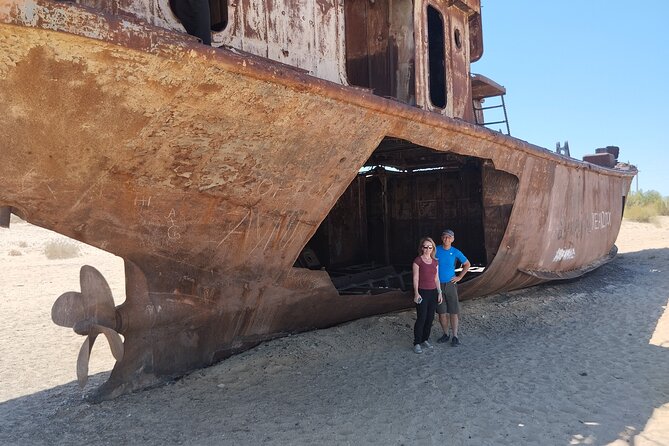
Muynak’s ship cemetery makes the crisis more visual. Rusting vessels sit far from any working harbor, a memorable reminder that Muynak was once a port town. The visit is free and lasts about an hour.
The ships are powerful subjects for photographs, but I would give the place more than a quick photo stop. Look at the distance between the cemetery and the water. That empty space tells more than a paragraph of explanation.
The Muynak Regional Studies Museum, also called the Ecological Museum of Muynak, adds local context. It is modest in size, with about 30 minutes allotted, but useful after seeing the ships. Admission is free.
Day one contains the tour’s strongest environmental story, but it is also a demanding day. You combine Chilpik, Nukus, the shore, the cemetery, and the museum after a 6:00 a.m. start. If you want long visits at every stop, this schedule will feel tight.
Day two: Sudoche Lake and the remote Ustyurt Plateau
Sudoche Lake offers a quieter side of the region. The natural lake is known for plant and animal life and lies close to the Aral Sea. You have about an hour to look around.
This stop helps break up the bleakness of the former seabed. Instead of seeing only abandonment, you get a reminder that water still supports life in parts of Karakalpakstan. The route also reaches the remote villages of Urga and Qibla Ustyurt, where distance is part of the experience.
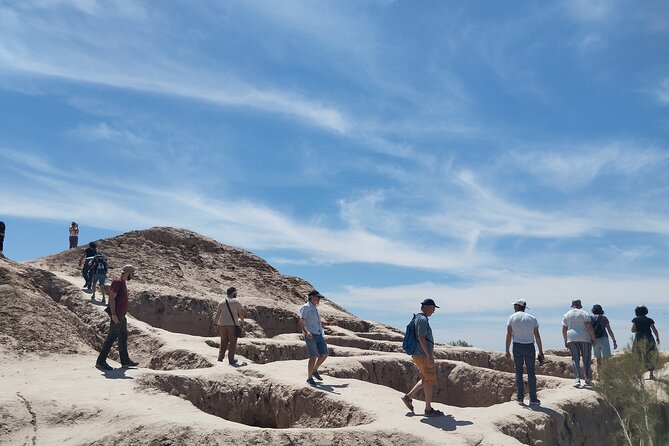
The Ustyurt Plateau is best understood as a remote high desert area rather than a collection of polished attractions. At Qubla Ustyurt, the route can include several fortresses and geological sites, including Kurgancha Qala, Urga, and nearby points of interest. The schedule allows about an hour at the main stop, so expect an overview rather than a full archaeological study.
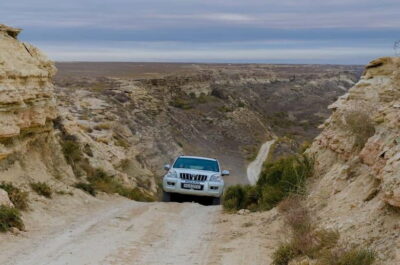
The 4×4 becomes especially useful here. Some approaches are off-road, and the driving conditions are part of the trip. Experienced drivers are a real advantage, but you should still expect jolts, dust, and stretches with few services.
Barsa-Kelmes is a salt marsh covering about 1,000 square kilometers. Salt is now harvested there industrially. The name means a place of no return, a reference to its remoteness, and the stop lasts roughly 20 minutes.
This is a quick look rather than a full visit. The value comes from seeing how varied the Aral region is: open water in one place, dry seabed in another, then salt marsh and plateau country farther out.
Mizdakhan Necropolis gives the day a more human and spiritual focus. This ancient cemetery lies near the remains of Gyaur-Kala and remains one of Karakalpakstan’s important pilgrimage sites. You have about 30 minutes.
I would listen closely to the explanation here. Cemeteries can look like piles of old stone if you do not know what you are seeing. The site’s age, religious importance, and connection with the nearby fortress make it more than a quick stop for photographs.
The route reaches Ayaz-Kala and the yurt camp by the end of the day. Sleeping in a yurt in the desert is one of the trip’s most memorable features. The basic setting gives you a stronger sense of place than a standard hotel room in a city.
The information supplied for the tour lists an Aral Sea yurt stay at $40 and an Ayaz-Kala yurt stay at $50, with dinner included in the combined $90 per person accommodation cost. Confirm the exact sleeping arrangement and payment details when booking, since the day-by-day description highlights the Ayaz-Kala overnight.
Desert food and night skies are part of the appeal. One account describes the food and stargazing in the Kyzylkum Desert as unforgettable. That is the sort of memory this trip is built for, though you should not expect hotel-style facilities.
Day three: Ayaz-Kala and the fortress route
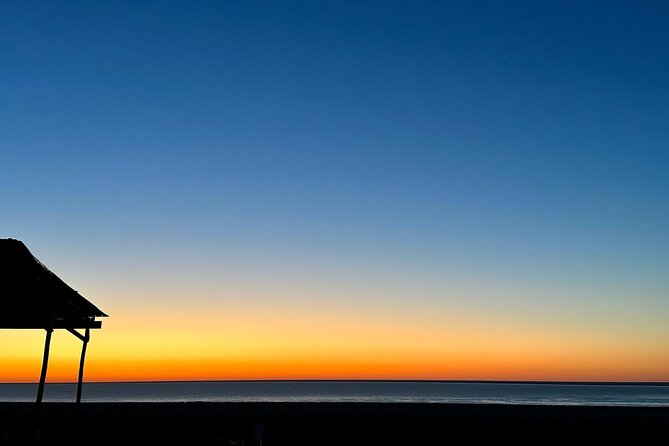
Ayaz-Kala receives a proper visit on the third day. The site includes ancient fortifications dating from the fourth century BCE to the seventh century CE, placed on a hill above the Kyzylkum Desert.
You have about an hour here, which is more useful than the short 20-minute stops later in the day. The hilltop position gives you broad views and a sense of why defensive sites were built in these locations. Wear shoes with a firm grip and bring water. The tour requires moderate fitness, and ancient fortresses rarely provide smooth paths.
Toprak-Kala, or Toprak Kala, dates mainly to the Kushan period in the second and third centuries CE. It served as a royal residence of the rulers of Khorezm and once functioned as a royal sanctuary.
The visit lasts about 30 minutes, and the entrance ticket is not included. At this pace, you will get the shape and scale of the site more than a detailed examination of every ruin. I would ask the guide to explain how Toprak-Kala fits with the other fortresses, because the sequence makes more sense when you see them as part of the old Khorezm defensive and political system.
Guldursun Qala is a fortified town with outer walls and towers dating to the 12th century. Archaeological work found pottery, bronze objects, and coins within the site. You have 20 minutes, and admission is listed as free.
Kyzyl Kala is another brief stop, also about 20 minutes. Its first construction dates to the Late Antique period, from the first to fourth centuries CE, followed by rebuilding in the 12th and 13th centuries before the Mongol invasions. The ticket is not included.
The supplied schedule appears to reverse or combine some of the descriptions for Kyzyl Kala and Koi Krylgan Kala, so I would ask for the final order before departure. That is not a reason to reject the trip, but it is useful to know that the fortress names can be confusing, especially when several sites are close together and spellings vary.
Koi Krylgan Kala is another important archaeological site in the wider fortress region. You have about 20 minutes, with no admission fee listed. The visit is short, so think of it as part of a broad survey rather than a stand-alone attraction.
Angka Kala, about 22 kilometers north of Turtkul, is described as a well-preserved settlement with an almost square plan. It includes occupation phases from the first to third centuries and from the 10th to 12th centuries. Again, you get about 20 minutes.
The final stops are listed with some naming confusion. Duman Kala is described as having three adjoining sections: a square western enclosure with corner towers, a smaller citadel, and an irregular northern enclosure. The itinerary labels this final stop as Itchan Kala, but the description clearly concerns Duman Kala. I would treat the end of the day as a sequence of archaeological viewpoints, not assume you are returning to Khiva’s walled old town at that exact moment.
This detail matters because the fortress route is extensive. You are seeing a remarkable number of sites, but you are not getting a long guided tour at each one. I prefer this format for people who want breadth, photographs, and a sense of the region. If you want to study one fortress carefully, a slower specialist trip would suit you better.
A few more options to weigh up in Khiva and Urgench
- Khiva: Historical City Highlights Guided Walking Tour
★ 4.8 · 156 reviews - Transfer: Bukhara – Khiva via Ancient Fortresses
★ 4.5 · 101 reviews - Daytrip From Khiva To Ancient Fortresses
★ 4.6 · 60 reviews - Khiva Historical City Highlights Guided Walking Tour
★ 5.0 · 30 reviews
What $899 really buys you
The base price is $899 per group of up to three people. For one person, that is expensive. For three people sharing the cost, it is about $300 each before extras, which is much more reasonable for private transport over three days and more than 1,200 kilometers.
The price includes hotel pickup and drop-off, private transportation, an air-conditioned vehicle, and audio guide materials. It does not include lunch, accommodation, or several entrance tickets.
Budget for these additional costs:
- About $90 per person for the two yurt stays with dinner
- $7 per person for the Savitsky Museum
- $3 per person for the Muynak Aral Sea Museum
- Around $2 per fortress entrance, where a fee applies
- Lunches throughout the trip
The final cost therefore depends heavily on group size and how many paid sites you enter. Three people sharing the vehicle makes the package much better value. A solo visitor pays the same group rate, so I would try to find companions or arrange the trip with friends.
The lack of included lunches is not unusual for a remote route, but plan ahead. Ask the operator how lunch stops work and carry snacks and drinking water. The supplied information confirms that lunch is extra, but not where or what you will eat each day.
Vehicles, guides, and the pace
Two vehicles are used, one sedan and one 4×4. That setup suggests the operator is matching transport to road conditions rather than promising that every kilometer will be comfortable pavement.
The drivers are described as experienced in desert travel and smooth in difficult conditions. That is important on a trip where the road itself can tire you out. I would still pack a small cushion, sunglasses, dust protection, and entertainment for the long stretches.
The tour includes audio guide materials, but a strong human guide can change the experience. Olimjon is praised for his historical knowledge and friendly manner. If he is available for your departure, request him when booking. The information does not promise that he leads every trip, so treat this as a request, not a guarantee.
The tour is private, which gives you flexibility that a large group cannot. You can discuss the time at a site, the starting or ending city, and the balance between fortresses and the Aral Sea. The published route is packed, so flexibility may mean choosing between two short stops rather than adding hours everywhere.
Who should book this trip
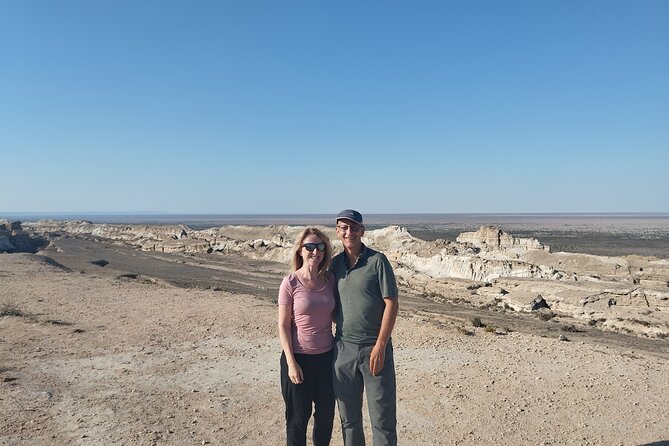
I would recommend it to an adventurous couple, a small group of friends, or a family with older teenagers. The minimum age is 15, and the moderate fitness requirement is worth taking seriously.
You are a good match if you:
- Want the Aral Sea and ancient Khorezm fortresses in one trip
- Accept long driving days
- Like remote places more than polished tourist facilities
- Are happy with yurt accommodation
- Want private transport and a route beyond the standard Khiva circuit
- Can handle heat, dust, rough tracks, and basic conditions
I would hesitate if you have only three days in Uzbekistan and dislike long road journeys. Khiva itself deserves time, and this trip will take you far from it. I would also hesitate if you need guaranteed comfort, leisurely meals, or long visits at every archaeological site.
The strongest parts are the Aral Sea shore, Muynak’s ships, the Savitsky Museum, the Ustyurt region, and the yurt night. The weakest part is simply the clock. Nineteen major stops in three days is ambitious, and several are limited to 20 or 30 minutes.
Should you book the Aral Sea Extended Trip?
Book it if you want a bold western Uzbekistan road trip, not a gentle excursion. The combination of the Aral Sea, Muynak, Ustyurt, desert yurts, and fortress country is hard to arrange independently, especially with more than 1,200 kilometers of driving.
I like the private format, the desert nights, and the range of places covered. I would book with at least two people, confirm the exact fortress order, ask who will guide the trip, and get a clear breakdown of the two yurt stays and meals.
If that preparation sounds worthwhile, this is a strong choice for an authentic Karakalpakstan experience. If your ideal holiday has short transfers and long museum visits, save your money for a slower itinerary.
FAQ
How long is the Aral Sea Extended Trip?
The trip lasts approximately three days and covers more than 1,200 kilometers by sedan and 4×4.
Where does the tour start?
The published meeting point is the west gate of Ichan Kala in Khiva, with a 6:00 a.m. start. Pickup and drop-off can also be arranged in Khiva, Urgench, or Nukus.
Is the tour private?
Yes. Only your group participates, with a maximum of three people per booking.
Is accommodation included in the $899 price?
No. The listed accommodation costs are $40 for the Aral Sea yurt camp and $50 for the Ayaz-Kala yurt camp. Both dinners are listed together at $90 per person.
Are museum and fortress tickets included?
No. The Savitsky Museum costs $7 per person, the Muynak Aral Sea Museum costs $3 per person, and fortress entrances are around $2 each where charged.
What is the cancellation policy?
You can receive a full refund if you cancel at least three full days before the experience start time. Cancellations or changes made less than three full days before departure are not accepted for a refund, and poor weather may lead to a different date or a full refund.
Just added in Khiva and Urgench
- Urgench Airport / Railway Station – Khiva Transfer★ 3.0 · 2 reviews
- Traditional Khiva Cooking Class with Market Visit & Lunch★ 5.0 · 4 reviews
- Uzbekistan 6 Days Private Tour Khiva-Bukhara-Samarkand by Train★ 5.0 · 4 reviews
- Transfer From Khiva To Bukhara★ 5.0 · 2 reviews
- Old Khiva Stories with Your Local Guide★ 5.0 · 5 reviews
- Day Trip Top 3 Fortresses departure from Khiva Self-Guided Tour★ 5.0 · 2 reviews
- Plov Tour : Taste, Tradition & History of Plov with a local guide★ 5.0 · 1 review
- Master Class – Uzbek Bread (Khiva)★ 3.5 · 4 reviews
Aral Sea Expeditions, compared.
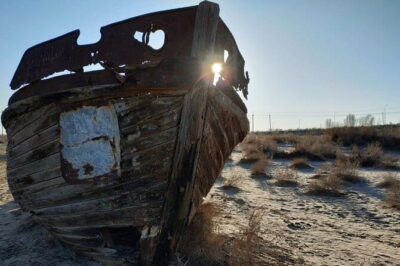
Daytrip from Khiva to Aral Sea Cemetery of Ships. All in one
Read our review →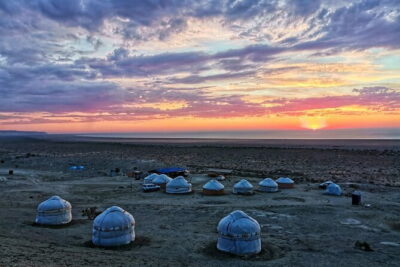
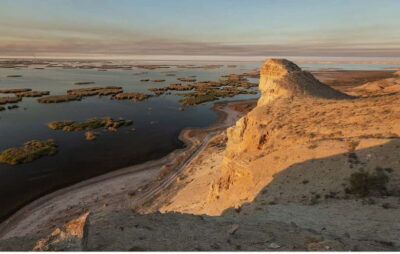
From Khiva To Aral Sea 2-Days One Night In Yurt Stay
Read our review →Daytrip From Khiva to Aral Sea Cemetery Of Ships . All In One
Read our review →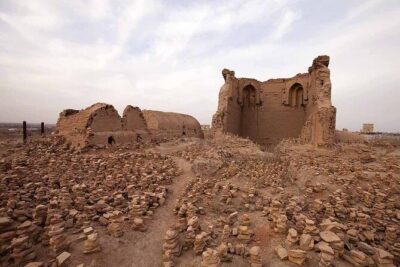
Browse the lists this tour appears in